

Welcome to class! My full time job is working at a university, and I teach as well. One of my dreams has always been to teach a film class. Taking students through the world of cinema and helping them learn about the art form that I am so passionate about would be an amazing experience. But alas…I teach math. This series, “Lessons from the Wasteland,” is my opportunity to offer readers a curated watchlist to learn through doing (…watching movies). Each film on this list will highlight either a filmmaker, sub-genre, filmmaking technique, or significant topic in order to broaden your cinematic horizons. For this month we have…
Framed Narratives
The Grand Budapest Hotel
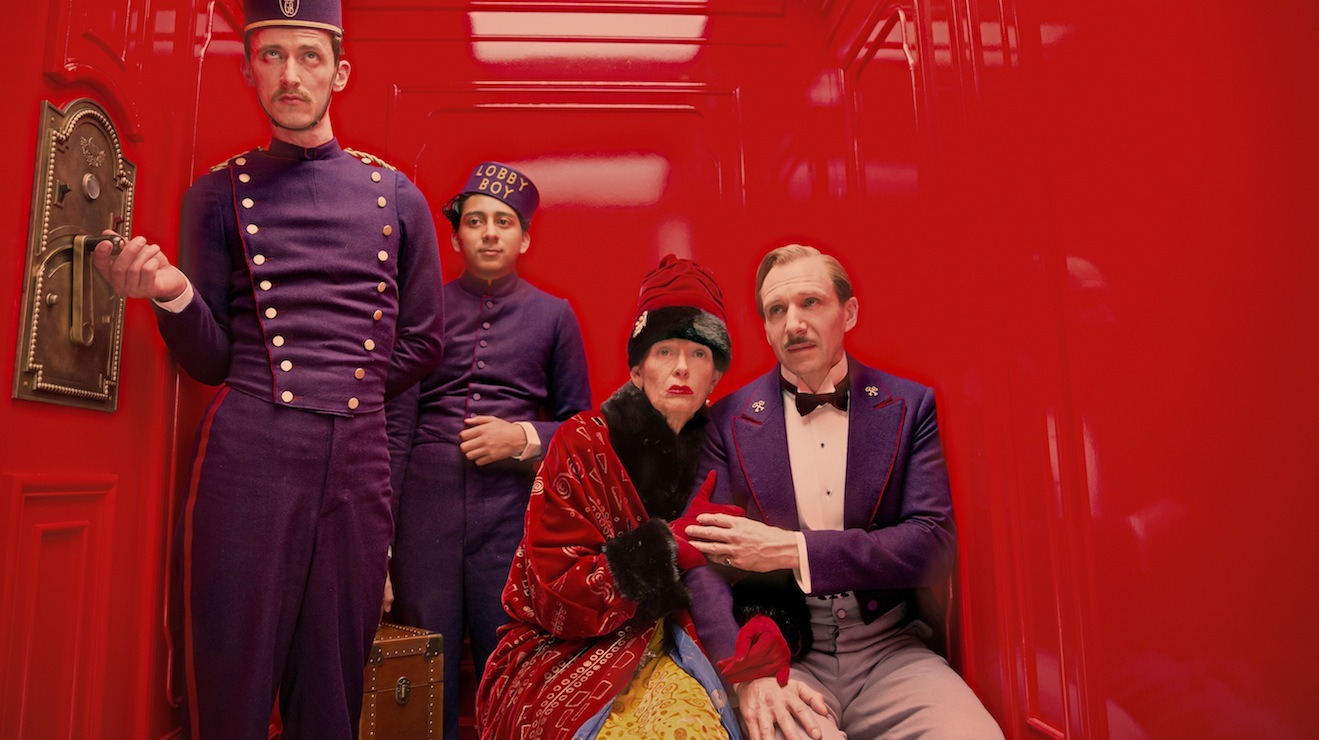
This film might win the award for the most framed narratives in one film. That is what is so fascinating about it. Were most of them necessary? No. Did they add layers and quirky trappings to the idiosyncratic work of Wes Anderson? Absolutely. That is why it works!
We have a young girl reading a book which transitions into a writer (Tom Wilkinson) trying to record his thoughts as he remembers his younger adventures (Jude Law) who then interviews Mr. Mustafa (F. Murray Abraham) who tells his story as Zero (Tony Revolori). Is that it? I think…yes, that’s it!
These framed narratives do a great job of accomplishing different things while supporting the center tale of Zero and Gustave H. There are some fun jokes and important emotional resonance that are injected into this film thanks to the framing devices. There are some choices as well that capture different aspect ratios and shakes up the visuals (while still being 100% Wes Anderson). But most importantly, the framing featuring Abraham and Law brings the emotional weight to the film and Abraham’s acting impressively drives it home.
Without the frames, this would still be a crazy genre twisting caper but those choices elevate it. The Grand Budapest Hotel might be showing off a bit, but it still features bold storytelling choices that still pay off in the end and make it a must-see example of framing devices.
Nocturnal Animals

I will be the first to admit that I do not love Tom Ford’s film, Nocturnal Animals. What I do love is the story being told inside the framing of Nocturnal Animals. The framing device is high society and cold, showing a woman reading the novel of her ex-husband. The contents of the novel – depicted throughout the film – is a thrilling and shocking tale with some impressive work featuring Jake Gyllenhall, Michael Shannon (as intense as ever), and Aaron Taylor-Johnson (who is downright unnerving in this villainous turn). There is incredible tension and drive that brings this internal story to life on screen.
I have never felt equally compelled with the story going on in the framing of the story. Amy Adams is sultry and poignant in her turn but the connection to her journey never really clicked.
The question is…why do I have this one here? The structure of this film is so bold and interesting that it is worth checking out anyway. Adams’ character and her experience take what is mostly just a horrific but straight-forward thriller and turns in and twists it based on her own experiences. This idea of having a character framing a story and their own perspective and experiences reshape that story before your very eyes is quite compelling. That is why this is such an interesting watch.
The Princess Bride

What is a more fun way to hear a story than a loved one telling you it? This is the beautiful crux of The Princess Bride. There is a kid home sick from school so his grandfather comes over to read him a story. Seems like a simple idea, right? But when that grandfather is Peter Falk, you have so much potential to work with.
The dynamic between Falk and Fred Savage is off the charts. Their banter and recontextualizing of the story is one of the most memorable elements of this beloved film. Everything within the story of The Princess Bride is iconic and pitch-perfect, but adding the framing device adds unexpected layers that makes this a truly iconic film.
The boy disliking the kissing elements and romance opens the door for some “coming-of-age” dynamics to be naturally added to the story and giving the framed piece of the film an arc. The presence of a child allows the film to push boundaries in terms of violence and scares but offers an “out” to keep it more family-oriented without losing any poignancy. The framing also allows for a bigger commentary on the existence of fairy tales and fantasies and the way we pass these stories along. The framing device of The Princess Bride might seem like it’s just for laughs, but it opens the door to so much depth and it should be appreciated for that.
A Muppet Christmas Carol
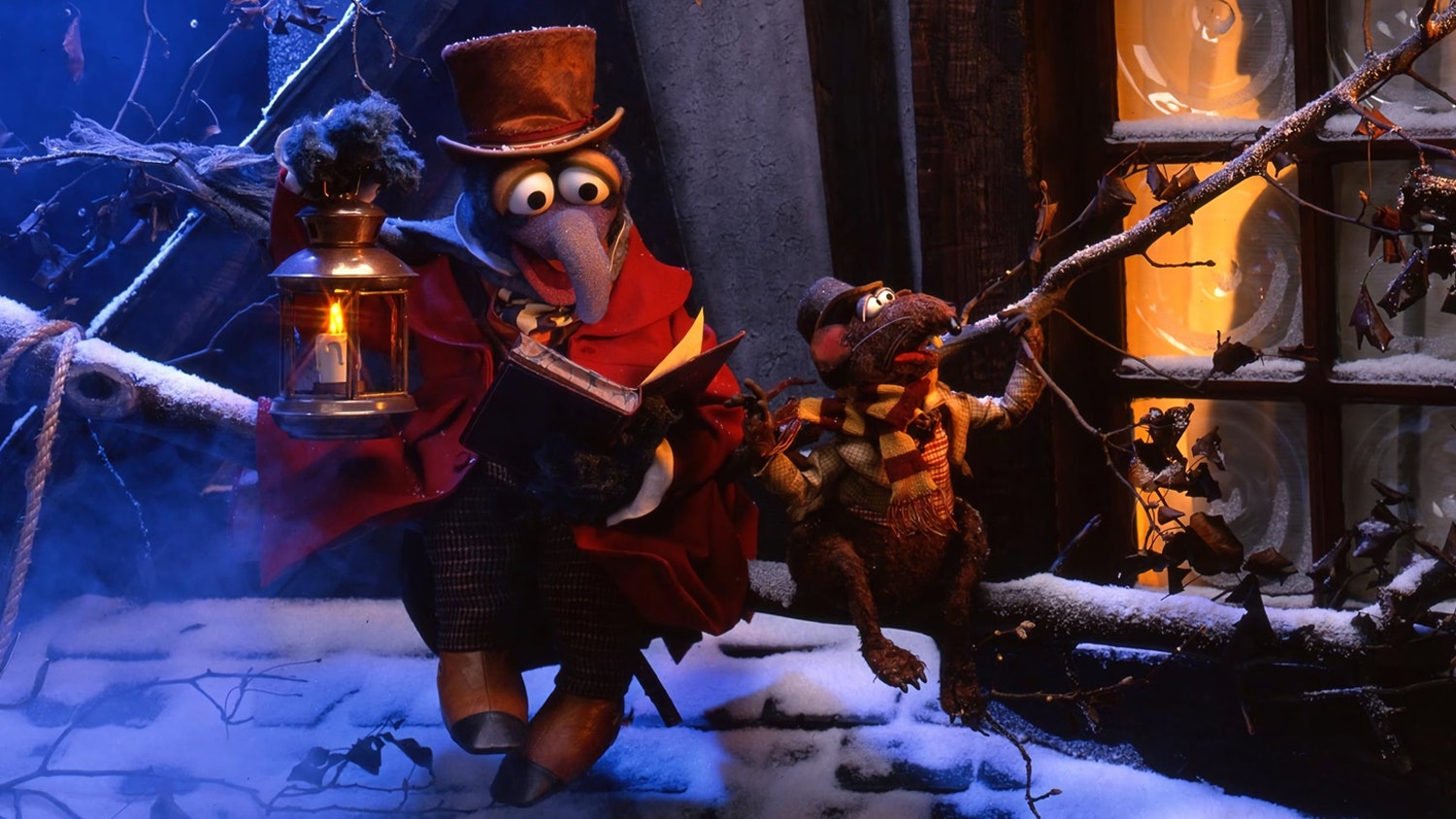
How do you balance the needs of two creations being synthesized into one? Through creative decision making in its storytelling. Case in point…A Muppet Christmas Carol, another family film that expertly introduces a framed narrative that adds layers of entertainment to an already strong story.
The story of A Christmas Carol is a classic ghost story about finding the goodness in people and becoming a better person. It has important elements that need to be fulfilled and utilized in order to accomplish the core requirements of the story. Then you have the Muppets, who have a specific brand of humor and heart that has made their act work so well over decades. How do you mix them? Deliver an inspired framed narrative that carries the brunt of the Muppet humor and meta-workings while allowing the narrative to stick to a more faithful interpretation of the original story, of course. Magic occurs!
Gonzo and Rizzo are a perfect pair to carry this framed narrative as Gonzo details important context to the story while Rizzo effortlessly injects the humor and personality that make the Muppets…well, the Muppets. This is a great example of balancing humor and pathos through a framing device.
Citizen Kane
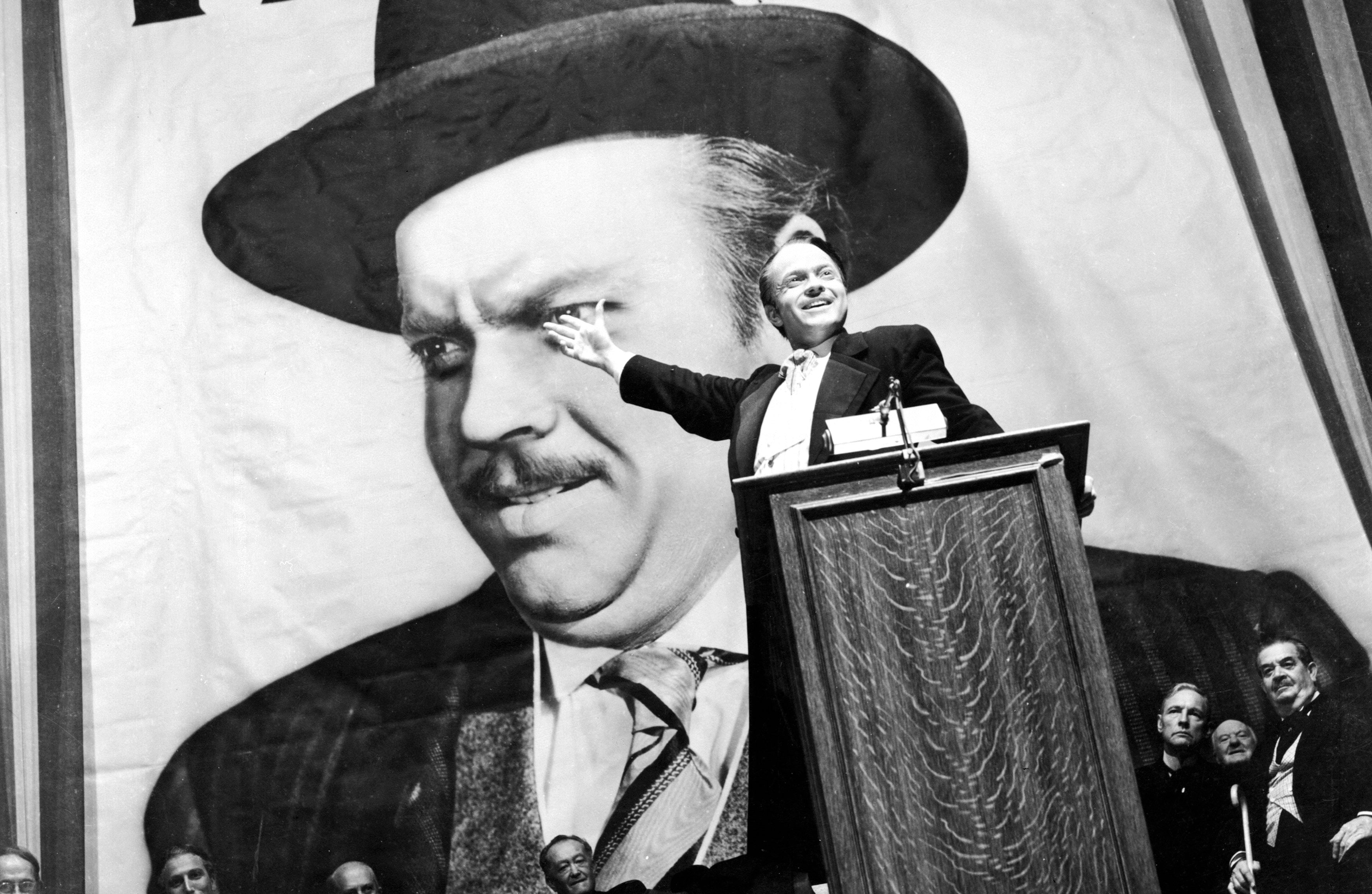
Citizen Kane is iconic, even among other icons. It’s been in the argument for the greatest film ever created for as long as people have been having the conversation. Orson Welles truly crafted a film unlike any other before it. The non-linear storytelling, simultaneous framing devices, and technical advancements are mixed together to create a concoction that every cinephile should experience at least once. I could certainly teach an entire class on just this film and how it revolutionized film.
The entire story is told through the framing device of one man’s investigation into the final words of a powerful newspaper magnate, while the majority of the film’s time is spent fleshing out the life of that magnate – Charles Foster Kane (played by Welles himself). But this is no linear fictionalized biopic that takes things step by step. We follow this investigator as he interviews people who were there throughout Kane’s life. Not only do we have this anchoring investigatory figure, which gives the film an easy method of jumping from one part of the main story to the next, but it’s told from varying perspectives that help craft a mosaic of a man. The biases and influences of these individuals warp the whole story, creating a slew of unreliable narrators. What can we believe? Who is telling the truth? That is the glory of this classic and that could not be achieved without the countless revolutionary decisions made by Welles and screenwriter Herman J. Mankiewicz.
Also see: Forrest Gump, Big Fish, The French Dispatch, The Notebook, The Usual Suspects, Titanic, Stand By Me

 Knock on Wood
Leave a comment