
Welcome to class! My full time job is working at a university, and I teach as well. One of my dreams has always been to teach a film class. Taking students through the world of cinema and helping them learn about the art form that I am so passionate about would be an amazing experience. But alas…I teach math. This series, “Lessons from the Wasteland,” is my opportunity to offer readers a curated watchlist to learn through doing (…watching movies). Each film on this list will highlight either a filmmaker, sub-genre, filmmaking technique, or significant topic in order to broaden your cinematic horizons. For this month we have…
Horror
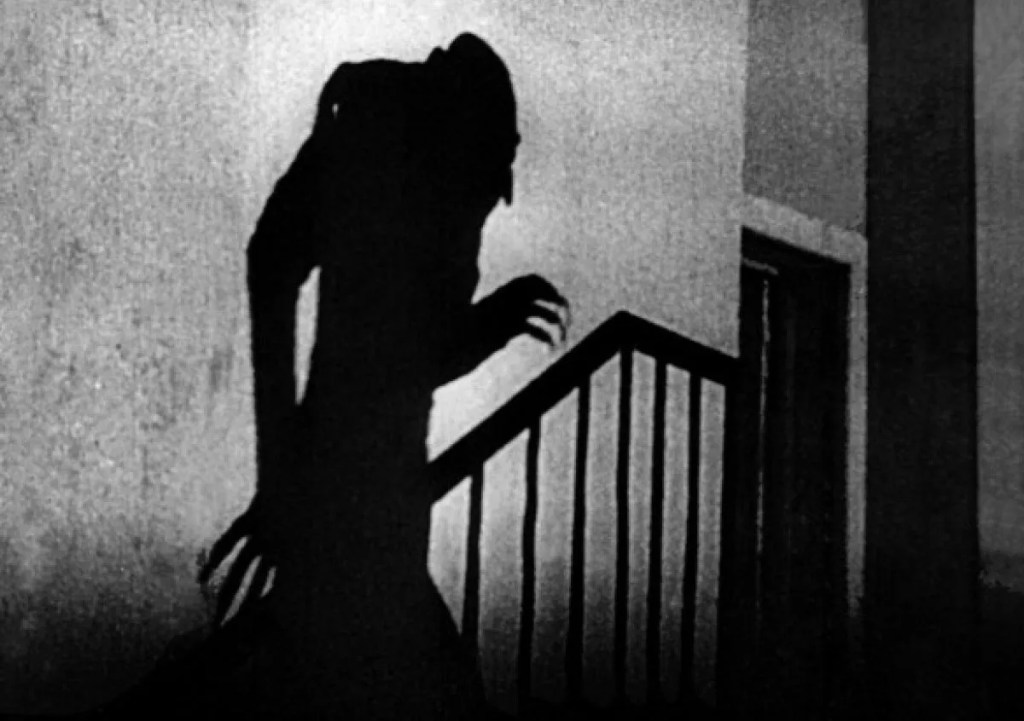
Nosferatu (1922)

Georges Méliès dabbled in creepy imagery along with some other filmmakers at the dawn of film, but the German expressionism of the 1920s swept in and set a tone for what horror could become (along with giving Tim Burton a vibe to become renowned for). Filmmakers like F.W. Murnau were the ones who helped craft what film could be, and his film Nosferatu is one of the greatest horror films of all time. It’s so influential even in 2024 that Robert Eggers (one of the rising stars of folk horror) is taking his turn with this story. Werner Herzog had done it before. Even Spongebob Squarepants brought Nosferatu back into the zeitgeist with a wonderful little cameo (one of the show’s best gags). The craziest thing about it is that it was an illegal adaptation of Bram Stoker’s Dracula.
Nosferatu set the stage for modern vampire lore on the silver screen. The rat-like design and creepy long talons is so iconic at this point that most will know who Nosferatu is by just looking at him. The sharp angles, impressive lighting, use of shadows, and big performances helped craft such an engrossing and haunting experience. Sure, it doesn’t deliver the terror that modern films do with big obnoxious jump scares, but the atmosphere is pitch-perfect and under the correct circumstances can still send a chill down your spin. The narrative is quite familiar thanks to how impactful Dracula has been on pop culture, but this film certainly puts its own creepy spin on the tale. Just think about all the vampire properties we have today. Nosferatu is where it all started.
Frankenstein (1931)

Frankenstein is the other cornerstone tale of early horror along with Dracula. There were earlier adaptations of Mary Shelley’s haunting tale of her Prometheus, but this was the one that crafted Frankenstein’s place in modern pop culture. There are other adaptations that capture the specifics of Shelley’s novel better, as well as reach the same complexity and depths of this haunting piece of literature, but what director James Whale does is craft a visual feast with a mix of impressive production design and make-up. Dr. Frankenstein’s laboratory is the mad science lab that would set the tone for all such archetypes to follow. Colin Clive’s committed and mostly unhinged turn as Frankenstein is masterfully joyous to watch and defined the “mad scientist” archetype as well. But the performance that would redefine horror forever is Boris Karloff as “The Monster.” This visage of the creation is the definition of iconic. So many iterations of this creation have permeated into pop culture from The Munsters to Hotel Transylvania to Monster Squad to Young Frankenstein and beyond. The story is simple and features some truly haunting moments like a drowning girl and the monster atop a burning windmill. The atmosphere is perfect while, along with Dracula (1931), defining what would be the Universal Monster Universe. This just might be the first truly grand film franchise that would create the blueprint for other such ventures like the Marvel Cinematic Universe. But still, before it all, Frankenstein stands as one of the best examples of genre-bending with its strong attachment in the world of science fiction. The cultural impact is almost immeasurable. This is a must-see piece of the history of horror.
The Exorcist
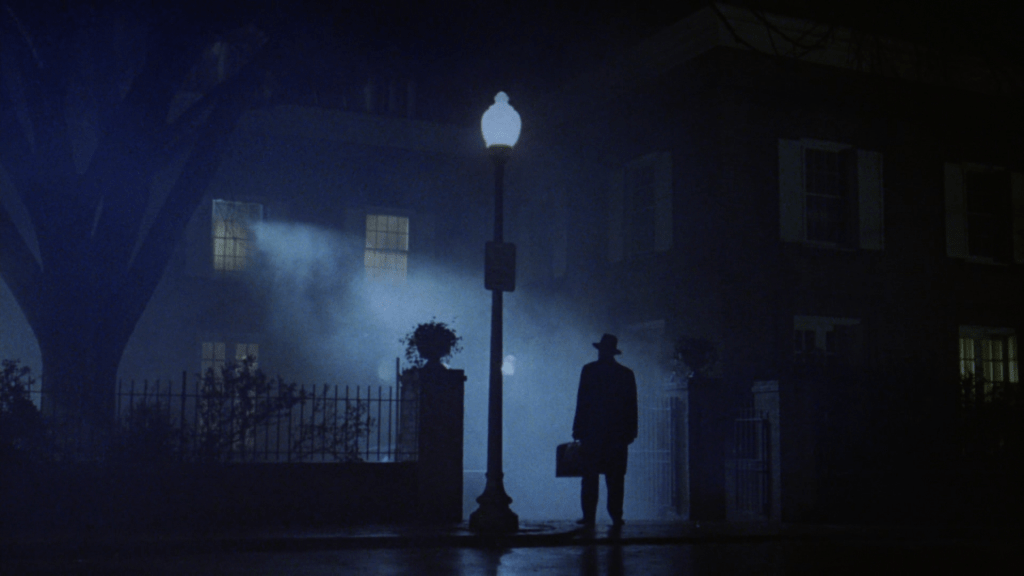
If you have strong faith…those religious horror films hit hard, and there are not many religious horror films that hit harder than The Exorcist. This incredible horror classic from director William Friedkin redefined what a horror film could be. It was a juggernaut that set a new record for the biggest box office of all time up to that point. Audiences walked (or ran) out of the theater. People were vomiting in their theater seats. Few films have induced such visceral reactions in audiences like this demon possession flick. But this is not just some cheap genre film, as Freidkin imbued it with deep dramatic elements that explored the role and love of a parent in the face of their children’s suffering as well as quite the impactful exploration of faith and religion.
Ellen Burstyn delivers a deeply moving performance as a mother whose daughter is possessed by the demon Pazuzu. Linda Blair went through the ringer to make this film, but she delivered one of the most iconic child performances in film. The slow evolution of her possession as portrayed by the make-up is haunting and bone-chilling. Then you have the impressive performance of Jason Miller as Father Karras, a priest who is going through a crisis of faith. This arc is deep and resonant, which allows The Exorcist to elevate above a silly genre film. It’s one of the strongest faith-based films you will ever watch, but its biggest impact was shaping the subgenre of religious horror and demon possession horror for good. The spinning head. The deleted spider walk scene. The disgusting projectile vomit. The horrific demon voice. These are all tropes that have become figures of horror films for generations. All demon possession films live in a world shaped by The Exorcist. There would not be a ConjuringVerse (one of the most significant fixtures of modern horror) without Friedkin’s masterpiece.
The Wicker Man (1973)

Folk horror is the most underrated of all the horror sub-genres. Thankfully, we have filmmakers like Robert Eggers who keep this subgenre alive and well. For an impressive extra credit assignment, check out the three-hour folk horror documentary Woodlands Dark and Days Bewitched: A History of Folk Horror. This will give you an incredible education for this special subgenre of horror. The impact comes from something deeply primal when it comes to horror that derives from nature and the natural elements. This approach to horror thrives on the fear and foreboding related to folklore. The stories we tell for generations and the creatures that haunt our dreams. The isolation and superstition creep underneath your skin in places that give no sense of hope.
There is a darkness that is deep within nature and films like The Wicker Man perfectly capture that. Director Robin Hardy takes audiences to a remote and isolated Scottish island community that has deep and dark secrets. The film initially sets itself up as a crime story, with a Christian police officer (Edward Woodward) coming to this place with a mission to find a missing girl. But it is the pagan rituals and lifestyle that shakes our protagonist to the core. Films like this draw upon things that deeply scare us…“The Other.” This pagan community does not live life like we expect and that puts us on edge. Christopher Lee is a towering, foreboding presence as Lord Summerisle, who leads this community.
Hardy leverages a deeply strange sense of humor and musicality to make this film even stranger, which certainly puts the audience on edge. But it is the iconic burning of the titular structure that will never leave you. The screams and flames etch in our pop culture consciousness what horrors lie in the unknown. This classic horror film is the crown jewel of folk horror that still ripples into the works of Eggers and Ari Aster (Midsommar feeling like a spiritual successor).
Halloween (1978)
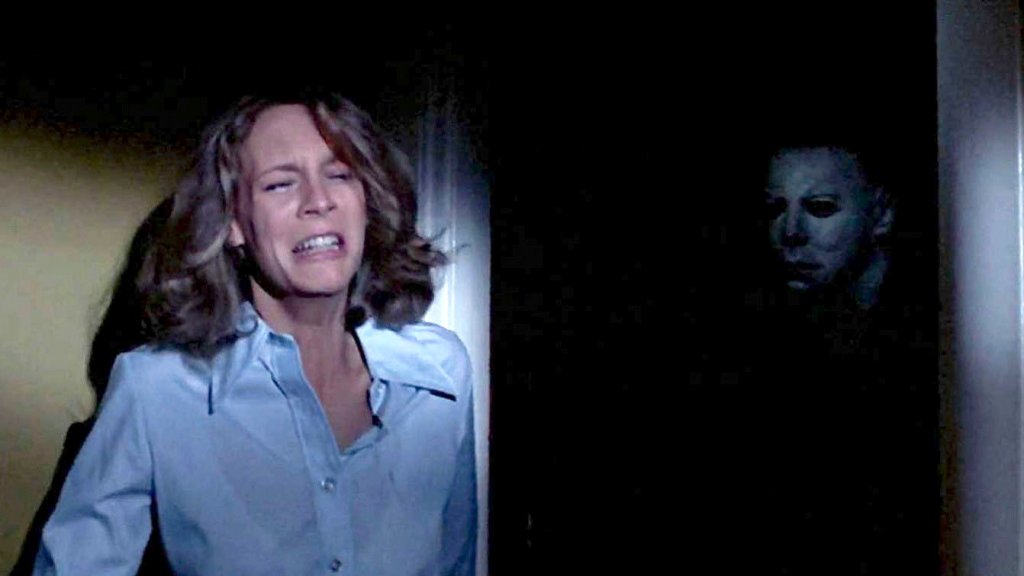
Who doesn’t love a good old fun slasher flick? This is one of the most fun and pulpiest of all the horror subgenres. Texas Chainsaw Massacre might have been the first genre-defining slasher, but it was director/composer John Carpenter who blew this little low budget approach into a box office windfall for decades. Halloween is not just synonymous with the slasher film, but with the holiday which is its namesake. Carpenter’s film is one of the greatest low budget successes of all time, as it took a simple location of a small town and turned it into one of the scariest and most unnerving places on earth. Halloween also started the slasher franchise trend that spawned Friday the 13th and Nightmare on Elm Street, and later the metatextual Scream. Carpenter and co-writer/producer Debra Hill found the secret ingredient for turning horror into one of the most fun and financially reliable genres in film.
Halloween also delivered one of the most iconic horror villains of all time and character designs in general with Michael Myers. Such a simple idea of painting a William Shatner mask made such a difference. Additionally, Jamie Lee Curtis skyrocketed into stardom as a new scream queen of horror and certainly had quite the fruitful career. Carpenter also leveraged his knack for voyeuristic filmmaking to create one of the most haunting and unnerving opening scenes in the history of a villain which wraps with one hell of a shocking reveal. Later on, Halloween does what few films can and makes a terrifying sequence in broad daylight (which makes up much of the first act). But let’s not forget the iconic score that has become a permanent part of the pop culture zeitgeist and helped shape horror scores for decades to come.
Carpenter changed the game with Halloween so became a master of genre filmmaking as he left his mark on cinema. But Halloween’s mark just might be considerably larger in shaping slashers and horror in general for decades to come.
Also see: The Cabinet of Dr. Caligari, The Phantom Carriage, Psycho, Night of the Living Dead

 Knock on Wood
Leave a comment