

Welcome to class! My full time job is working at a university, and I teach as well. One of my dreams has always been to teach a film class. Taking students through the world of cinema and helping them learn about the art form that I am so passionate about would be an amazing experience. But alas…I teach math. This series, “Lessons from the Wasteland,” is my opportunity to offer readers a curated watchlist to learn through doing (…watching movies). Each film on this list will highlight either a filmmaker, sub-genre, filmmaking technique, or significant topic in order to broaden your cinematic horizons. For this month we have…
Horror
Scream (1996)
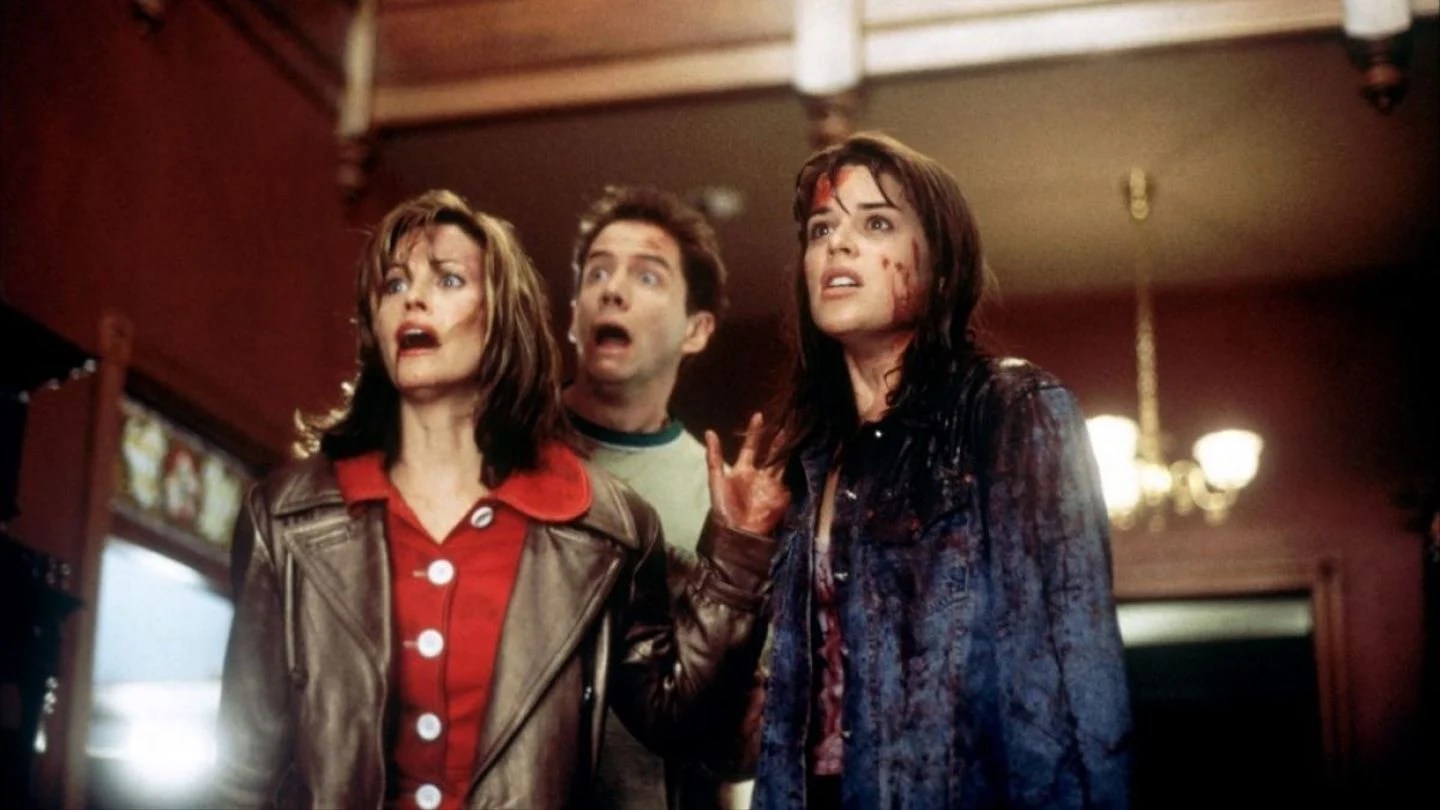
What could possibly bring the slasher genre back to prominence in the dead throes of the ’90s? At this point, most of the major franchises in the slasher sub genre were wobbly at best. It had been long since Texas Chainsaw Massacre and Halloween helped create this profitable and thrilling horror sub-genre. Then Nightmare on Elm Street creator Wes Craven stepped up to the plate with New Nightmare, which took a meta approach to the franchise and genre that felt both clever and fresh and that in no way took away from the terror that Craven was able to create.
Craven then brought this new sensibility to a screenplay written by Kevin Williamson. This new slasher would exist within a world where all the great slasher flicks exist and our characters know “the rules.” This was such a strange and unique concept for the time, and Scream was an instant classic because of it. Sure, there are plenty of horror films that are more knowledgeable of the genre internally, but this is where this modern trend started.
But it isn’t just the horror references; there are plenty of laughs along the way as well. Scream is quite hilarious and this gang of teenage characters capture that ’90s feeling better than most films. But it is the ways that Craven and Williamson play with the expectations of the horror genre that makes for something special. Drew Barrymore was the biggest name to grace the cast, and the incredible opening scene changed everything. The phone play, the questions, and the shocking death…it made for one of the most iconic opening scenes in horror. The cast is a “who’s who” of ’90s, stars with Neve Campbell leading the way as the franchise hero Sidney Prescott. Courtney Cox and David Arquette were two of the decade’s biggest stars, and Scream was a big part of it. Matthew Lillard, Skeet Ulrich, Rose McGowan, and Jamie Kennedy round out this thoroughly entertaining cast.
The murders are brutal, and there is plenty of tension throughout. But it is Ghostface that has become the most iconic part of the movie. The film boasts one of the best reveals of any mystery slasher film due to its unexpected dimensions. It helped Scream bring the cinematic world a pulpiness that was missing for a while. There are whole studios like Blumhouse who chase this tone and style. There were plenty of late ’90s and ’00s slashers and horror films that emulated Scream. The film itself is so fantastic and fresh, but its legacy and context truly make it a figure of the horror genre.
The Blair Witch Project

The style of found footage horror has produced some impressive stories, but for the most part has become a running joke. The tsunami of found footage films that came out in the new millennium can almost be tracked back to the year 1999, when one little film took the horror world by storm.
The Blair Witch Project is one of the most unexpected hits in the history of cinema. But it was not just its approach to storytelling that made it so impactful; Blair Witch had one of the most creative and impactful marketing campaigns of all time. In a time before widespread internet and well before social media, this film had one of the craziest word-of-mouth campaigns ever. People thought this was real. The film was believed to be actual footage of an incident where real college students were searching for information on the folk tale of the Blair Witch. It must have been a tough realization for many once they finally acknowledged that this was all staged and just a piece of cinematic entertainment.
Few films have been able to capture such a strange and unexpected approach to their word-of-mouth and marketing in general. But then you take a look at the actual film, which was made for a microbudget of only $60,000…and it made close to $250 million worldwide. Something really worked. The camera quality was not impressive, and it legitimately felt like a group of college kids filmed their shenanigans on their own camera. The found footage approach lends itself to the heightening tensions as they get more and more lost in the woods, but it is the shock ending that will live on in people’s nightmares forever. There are legitimately terrifying moments that feel that much worse when they have a feeling of authenticity. This framework has been often replicated, but the success has been replicated a lot less frequently. Outside of Paranormal Activity, few films have reached this height. Future generations will never fully grasp the mania that The Blair Witch Project created back in ’99.
Shaun of the Dead

Most people will probably conceptualize Shaun of the Dead as more of a comedy than a horror film. You will probably laugh more during your viewing of this film than you will be legitimately scared, that is most likely true. But there is a lot to what Edgar Wright did with the horror genre, and specifically with the zombie sub-genre, than you might realize at first. In the vein of Mel Brooks, Wright knows you must make a great version of a genre if you intend on lampooning it. Blazing Saddles is a great western. Young Frankenstein is a great science-fiction/monster movie. And Shaun of the Dead is a great zombie movie.
Wright is obviously a fan of the work of George A. Romero, and you feel that in this film. But what Wright focuses on is one of the aspects of filmmaking that many horror films put at the bottom of the priority list: the writing. Wright is one of the sharpest and most clever writers working today. The impressive way he lays out the whole film subtly within the first 15 minutes is remarkable. These characters have layers and they are so superbly laid out. Auteur filmmakers bringing their style fully to the horror genre is so wonderful, because this feels like a truly unique horror experience.
Jordan Peele’s Get Out deserves a mention here, because this could have been his slot. But since Wright brought this same level of commitment and style years before, it felt right to honor Shaun of the Dead here. Modern horror comedies owe a lot to Wright, because this film made it easier to commit so completely to the laughs but never skimping on the horror elements.
Genre-bending is what keeps films fresh and interesting. If filmmakers keep playing so strictly within a box, things will get stale quickly. But Wright brings so much personality to his work, especially with the editing and visual storytelling. The brilliant “changing-channels” bits throughout Shaun of the Dead are so hilarious, and such a fresh and interesting way to give the audience the exposition needed. The long takes, with so many subtle details in the background, is most impressive as well. Wright and his cast, including the shining stars of Simon Pegg and Nick Frost, bring so much emotion here as well. Shaun of the Dead works on all of the levels that you would hope from a zombie film, but more importantly any kind of film, making it so special.
The Conjuring
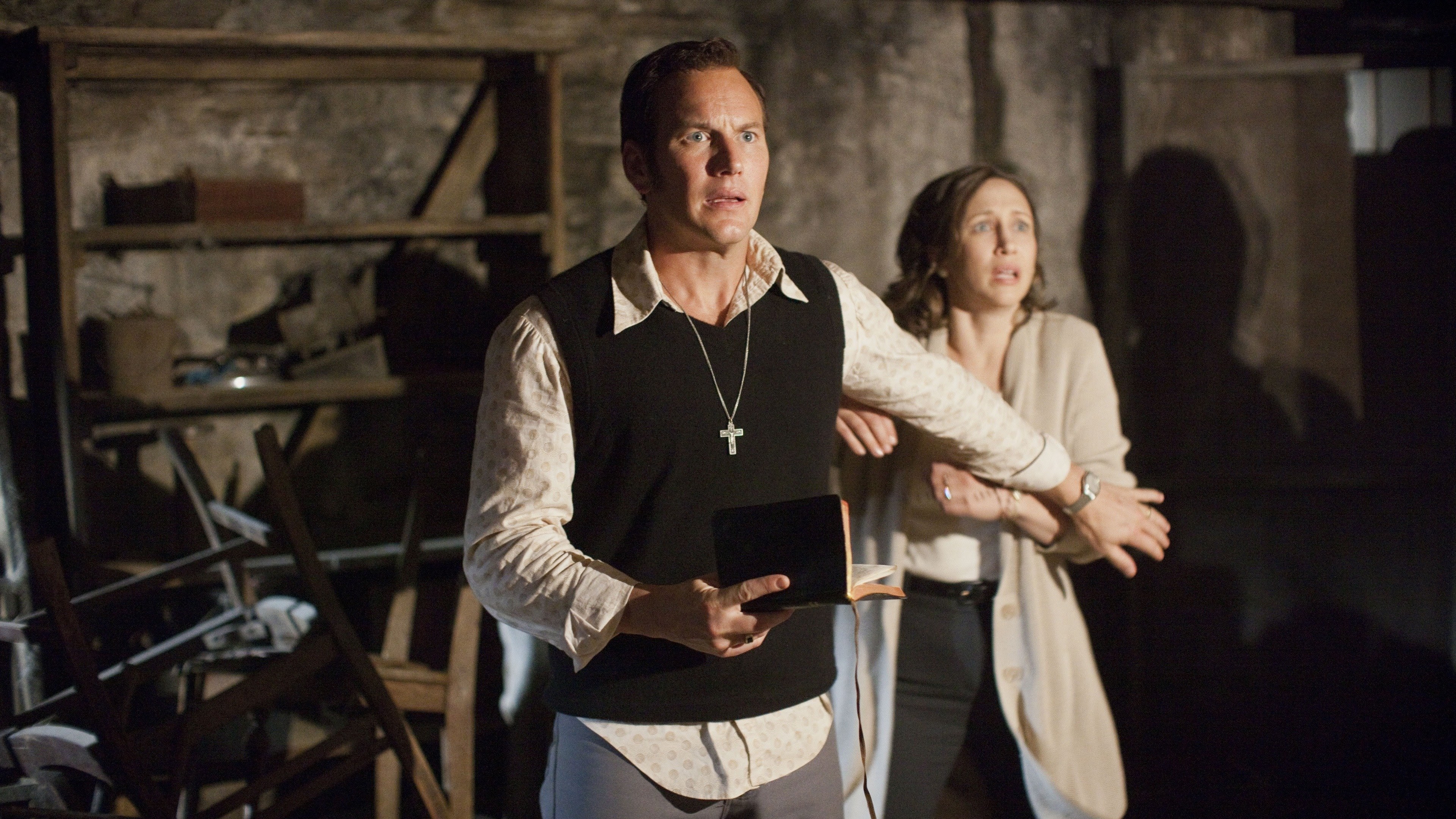
Could another filmmaker or studio possibly recreate the incredible success of Universal in creating a shared horror universe? Universal Studios even failed miserably at that in the last ten years. But one filmmaker launched not one, but two of the most successful modern horror franchises, and that man is James Wan. He previously launched the torture horror craze of Saw, but it was his creation, The Conjuring, that solidified his mark on the medium of film.
This supernatural horror flick has set the bar when it comes to modern horror when it comes to jump scares and types of films that go bump in the night. There are top tier scares in The Conjuring that certainly live on in the nightmares of viewers over the past decade: the laundry in the wind, the dresser in the night…but most memorably, the hand clapping. These all deliver impressively effective jump scares thanks to the tension and suspense that Wan is able to create. The camera work is engrossing and unnerving with that stylistic stamp that this filmmaker brings to all of his films. But what works so well about The Conjuring is that you have one of the most likable and charismatic protagonists in any horror film, the Warrens. Based on real people and their cases, the Warrens are known for being a husband/wife pairing who investigate the paranormal. Amityville and other cases have become quite famous and the Warrens have an interesting legacy. The performances of Patrick Wilson and especially Vera Farmiga elevate this spooky film to being something you can emotionally connect to as well.
The door that Wan opened with The Conjuring is still open, delivering impressive work and making tons of money. The Conjuring 2 was even bigger (and in my humble opinion surpassed the original in quality as well), which really opened the door for a wide world of spinoff films with all types of demons and creatures. Wan found the perfect way to create a wide-spreading franchise that all lives within this same world that could well be ours. Annabelle. The Nun. La Llorona. There are even more legends and hauntings to explore, thanks to the impressive world-building that Wan has since perfected. The Crooked Man, The Ferryman, and so many others already introduced in projects have the possibility of getting their own films as well.
Shared universes are quite popular today thanks to the great success of Marvel Studios, but Wan and Warner Bros. have their own spooky one that continues to make a tidy profit and deliver eerie horror flicks for audiences to enjoy (even if many of them fail to reach the same cinematic heights as the original Conjuring).
Hereditary

What do you think of first if someone mentions A24? Most cinephiles will get super excited and talk about how they are the best studio for auteurs as they give a platform for filmmakers to make their raw and untouched visions come to life. Many mainstream audiences might not even know who they are, or might hate their films for being so strange and abstract. But one thing is for sure: they release the most controversial and divisive horror films around. They have a patent on atmospheric horror and arthouse horror, for sure. They have a fantastic line up of directors from Alex Garland to Ari Aster to (previously) Robert Eggers, who create some of the most horrific and demented horror flicks around. But one film has become the calling card of A24 horror, and that is Aster’s Hereditary.
There are so many things to say about this familial drama turned demented folk horror nightmare. Toni Collette has received endless praise for her towering, powerful, and deeply emotional performance as a woman processing the death of her abusive mother and the collapse of her family unit. What Aster is able to create is a two-act concoction of emotional devastation with minimal horror elements. Unfortunately for the audience, you will probably be completely empty in your emotional tank at this point. And then…the third act dives aggressively into folk horror, delivering disturbing body horror and a completely unsettling environment that is hard to even sit through. The filmmaking and visual storytelling is off the charts with some of the best directing choices you will find in modern horror. The use of models is impactful and yet so uncomfortable. There are scares that will penetrate you so deeply that it will be hard to unsee them. All of these harsh elements are the trademarks of what boundaries modern arthouse horror pushes.
Hereditary embodies every trademark of A24 horror and what audiences should expect from their unnerving and warped horror approaches. Aster continued this trend with Midsommar and Beau is Afraid, but the bar was set along with other gems of A24 horror like The Witch, The Lighthouse, Talk to Me, and others. A24 is the face of arthouse horror in modern cinema, and Hereditary sits confidentially as the crown jewel of this subgenre of horror.
Also see: IT, The Witch, The Cabin in the Woods, Get Out, 28 Days Later

 Knock on Wood
Leave a comment