

Welcome to class! My full-time job is teaching at a university, but one of my dreams has always been to teach a film class. Taking students through the world of cinema and helping them learn about the art form that I am so passionate about would be an amazing experience. But alas…I teach math. This series, “Lessons from the Wasteland,” is my opportunity to offer readers a curated watchlist to learn through doing (…watching movies). Each film on this list will highlight either a filmmaker, sub-genre, filmmaking technique, or significant topic in order to broaden your cinematic horizons. For this month we have…
Martin Scorsese
The Last Waltz
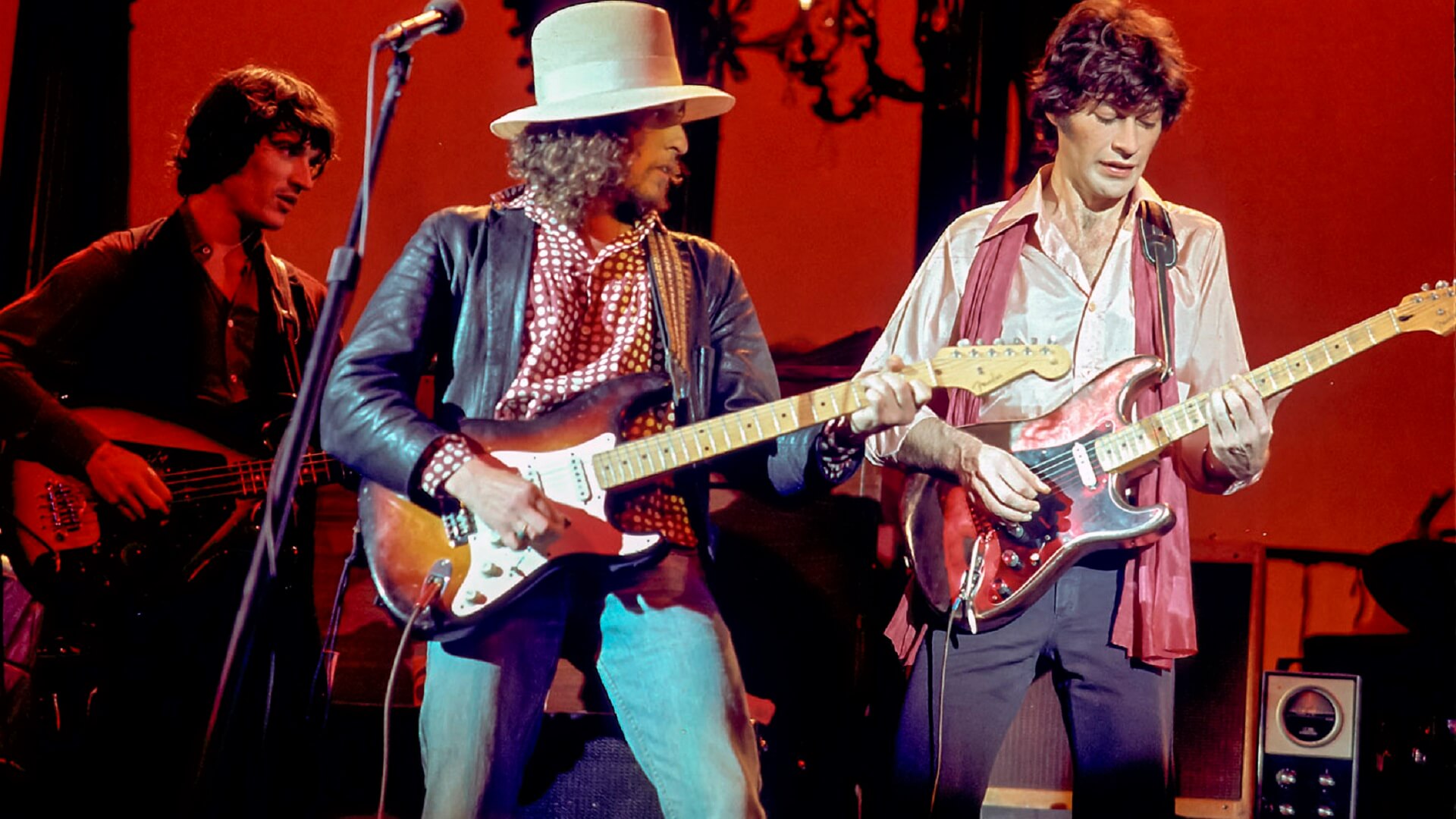
How many directors can you think of who have mastered both the art of narrative filmmaking as well as documentary filmmaking? Martin Scorsese is one of those incredibly talented few who just has the feel for both. Scorsese has a long track record of documentary work that ranges from music to Italian culture to New York City. These are all themes and topics that speak to Scorsese on a deeply personal level. His documentary short film Italianamerican is a beautiful expression of the Italian-American experience through the lens of his own parents, but the music documentary focus is the key to most of Scorsese’s documentary work. He created films that captured the legendary Rolling Stones in concert, traversed the long and illustrious life of music legend George Harrison, and the enigmatic sarcasm of one Bob Dylan. But the crown jewel of all concert films is The Last Waltz.
The Band was a musical act that helped define what grassroots American rock was in a time where the English bands were making a stamp on the rock scene. Their soulful and folksy rock music was the foundation (along with Creedence Clearwater Revival) for what would become Southern rock music. But their story as a group was coming to an end in 1978 as they planned out their final gig…and Scorsese was going to capture the magic. The eye for musical performance, theatricality, and cinematic expression that Scorsese possesses was never stronger than how he captures The Last Waltz. The richness and intimacy of the performance can be felt on such a deep and impactful level, but what set this concert apart from so many others is the special guests that captured generations of musicians who were influences and contemporaries of The Band. Icons like Eric Clapton and Van Morrison joined Robbie Robertson and company on stage for some killer and impactful performances.
Did Scorsese know the history he was greeting on camera? Maybe not, but he did capture a time capsule of music history with The Last Waltz. No concert film can exist without living in the shadow of this documentary, and Scorsese set the bar so incredibly high. It wasn’t just any film for Scorsese, either. He created one of the most significant and lasting collaborations in film thanks to this experience. Robertson would go on to compose or act as music supervisor on dozens of Scorsese films to come as he aided in creating some of the most iconic musical moments in the history of film. This concert documentary is a treasured representation of Scorsese’s passion for music, which can be felt in every single one of his films.
Raging Bull
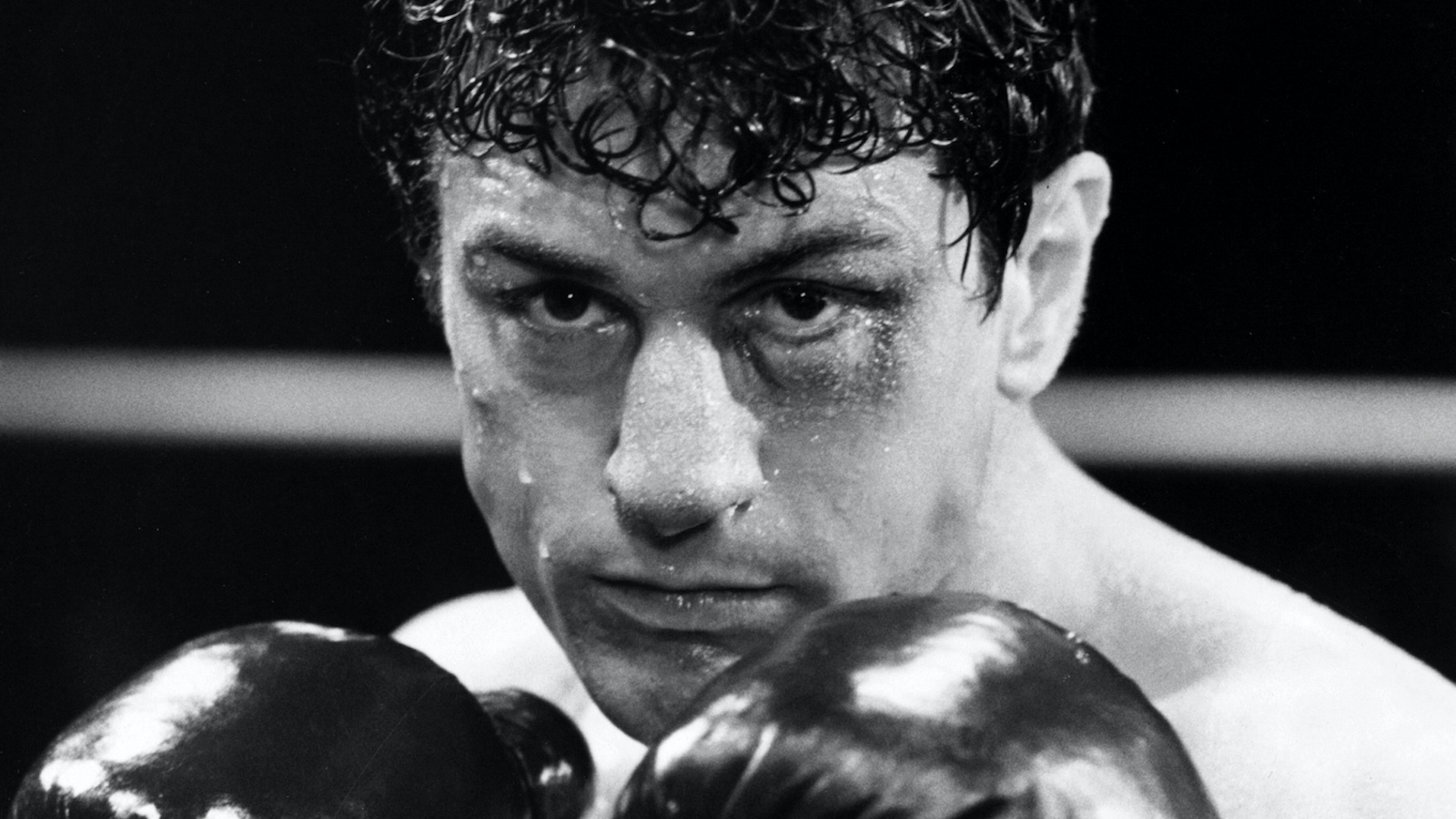
In the vast majority of Scorsese’s films, many of his protagonists are deeply flawed and morally bankrupt. They reflect the darkest elements of humanity and the personality traits that are the worst of us. The obsession. The drive. The manipulation. Scorsese was strongly influenced by Powell and Pressburger’s The Red Shoes, and the manipulative and controlling Boris Lermontov made a lasting impression on Scorsese and how he writes his characters. William Cutting, Travis Bickle, Rupert Pupkin, and plenty more embodied this warped leading character perspective allowing the audience to be challenged in pursuit of the dark elements of humanity. One of the crown jewels of Scorsese’s filmography that captures this the best is Raging Bull. Few films capture the essence of Scorsese quite like this “boxing” film.
When it comes down to it, Raging Bull is a character exploration of a hardened man who is full of rage, jealousy, and primal zeal. These are all aspects of people that are pushed down and not acceptable in humane society. Jake LaMotta (based on a real-life boxer) represents the animalistic underbelly of humanity as he navigates a world with championship glory, brotherly love, and a wife who embodies youth and beauty. But Scorsese navigates the audience on an absolute descent of how one man can give into all of their worst impulses and loses everything. From the beautiful opening credits scene inside an isolated ring, we know where Jake’s heart, soul, and mind is. The fight. The most engrossing and fascinating scenes in the film are the boxing matches where Scorsese presents them as dances of violence through “pure cinema.” Scorsese learned this honestly, through his own cinematic journey and explorations and he in turn set the tone on this purely cinematic approach for those that came after him.
The gorgeous black-and-white cinematography was an interesting choice that creates a striking experience on screen. But this film also helps define one of the greatest collaborations between actors/directors of all time. Robert De Niro went full method and created a character on-screen that feels like an exposed nerve and every bit of emotion is boiling underneath. Joe Pesci and Cathy Moriarty are the perfect supporting pieces to stand there with De Niro and embody the story and characters being created by Scorsese. This is one of the most dynamically directed biopics of all time and boasts one of the immortal powerhouse performances. There is a reason that Raging Bull has become synonymous with the excellence of Scorsese.
The Last Temptation of Christ
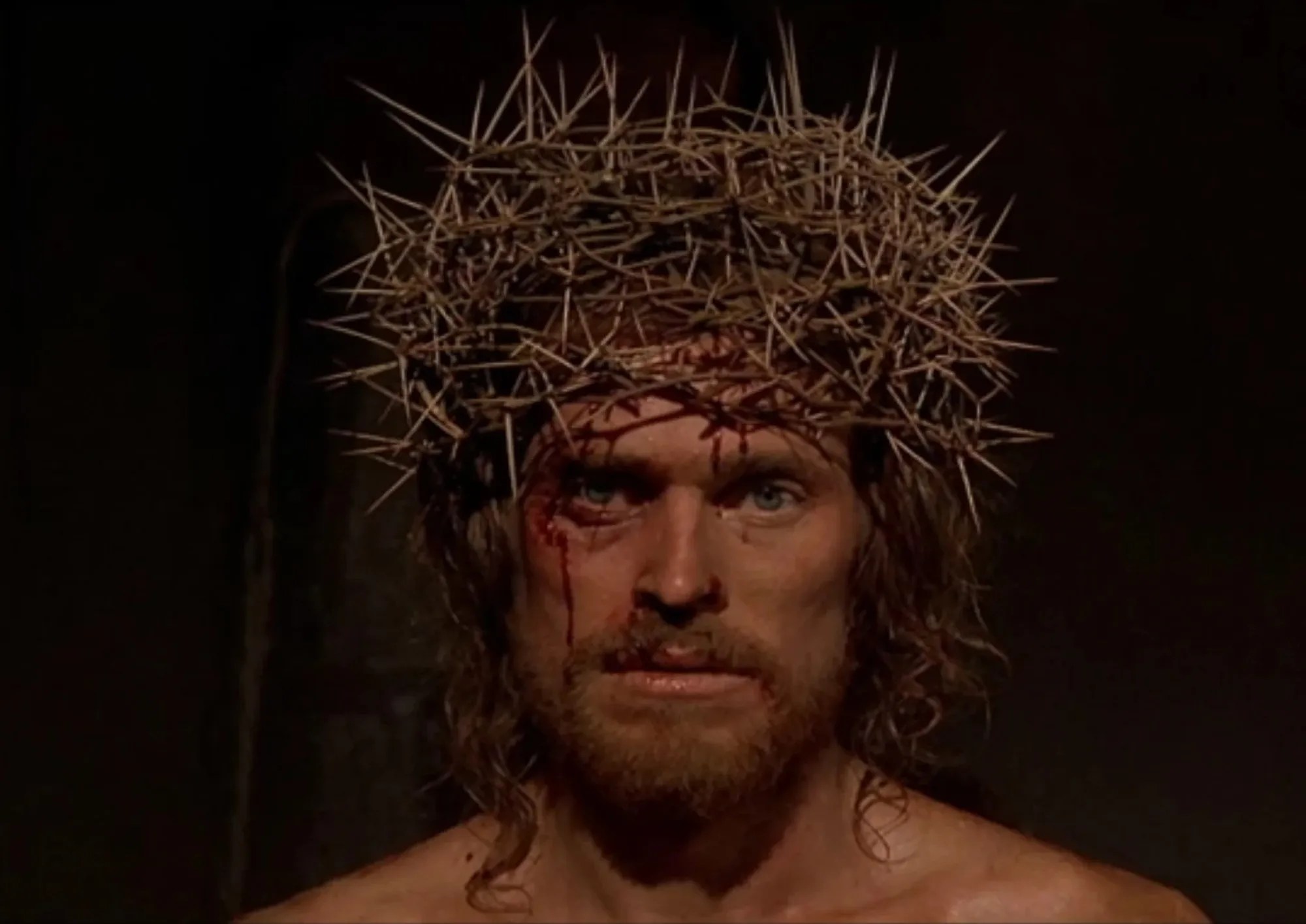
Outside of his Italian heritage, New York City, and music, Scorsese’s faith is the other most influential piece to his creativity. Having grown up a Roman Catholic in an Italian-American household myself, there is no escaping that influence. The ever-present Jesus on the cross and portraits of Pope John Paul II were essential pieces to my grandparents’ household. Scorsese is about a generation younger than my grandparents, but you would have expected much of the same from his parents during his upbringing. The Catholic Guilt is strong and permeating in how we live our lives. You can feel the struggle with, processing of, and appreciation for his faith through many of his projects (especially the ones that are much more personal to his own experiences). He explored the complex nature of faith and the conflicts around it through the lens of Kundun and Silence. But the best example of this conflict and struggle is channeled through the most universal story for Christians for which Scorsese channels his personal journey through, The Last Temptation of Christ.
Tackling the story of Christ is a bold move for a director like Scorsese, who is so well known for his subversion of humanity and showing the flaws in all of us. That is not the Christ that most believers see and it certainly created a stir when this film was released in 1988. Calls of sacrilege were thrown around quite a bit for the presentation of Jesus as a man with human flaws. But it was not Scorsese’s intention to be provocative (or at least not the whole reason). The purpose of this art was for Scorsese to explore his own journey of faith and project that onto the figure of Jesus. That in itself made many Christians angry, as their Messiah is not of man and does not struggle as a man. If you can take a step back and look through the lens of self-exploration that Scorsese is approaching his film with, this is an impressive tale full of poignancy and visceral cinematic experience. This is an imperfect film that certainly wears its flaws and misguided elements on its sleeve. But what makes it so long-lasting and powerful is the passion and richness of themes and, ironically, the humanity that is on display. The dynamic filmmaking is a trademark of Scorsese, and his sensibilities are unique in this period piece space when so many of our experiences with his work are seen in the urban setting. The music from Peter Gabriel is ethereal in ways that make the experience unique and entrancing. The cast is stacked, with Willem Dafoe delivering a fiery and complex portrait of a man struggling with his faith and the commitment asked of him in the name of it. A cast full of aggressively American character actors creates the most unique presentation of the Christ story on film. There are plenty of classic Old Hollywood adaptations of Jesus’ story, but Scorsese had no intention of replicating them or living in that space. This is an artful and cinematic exercise of a man who once almost became a priest himself, who now reckons with the weight of his faith.
Goodfellas
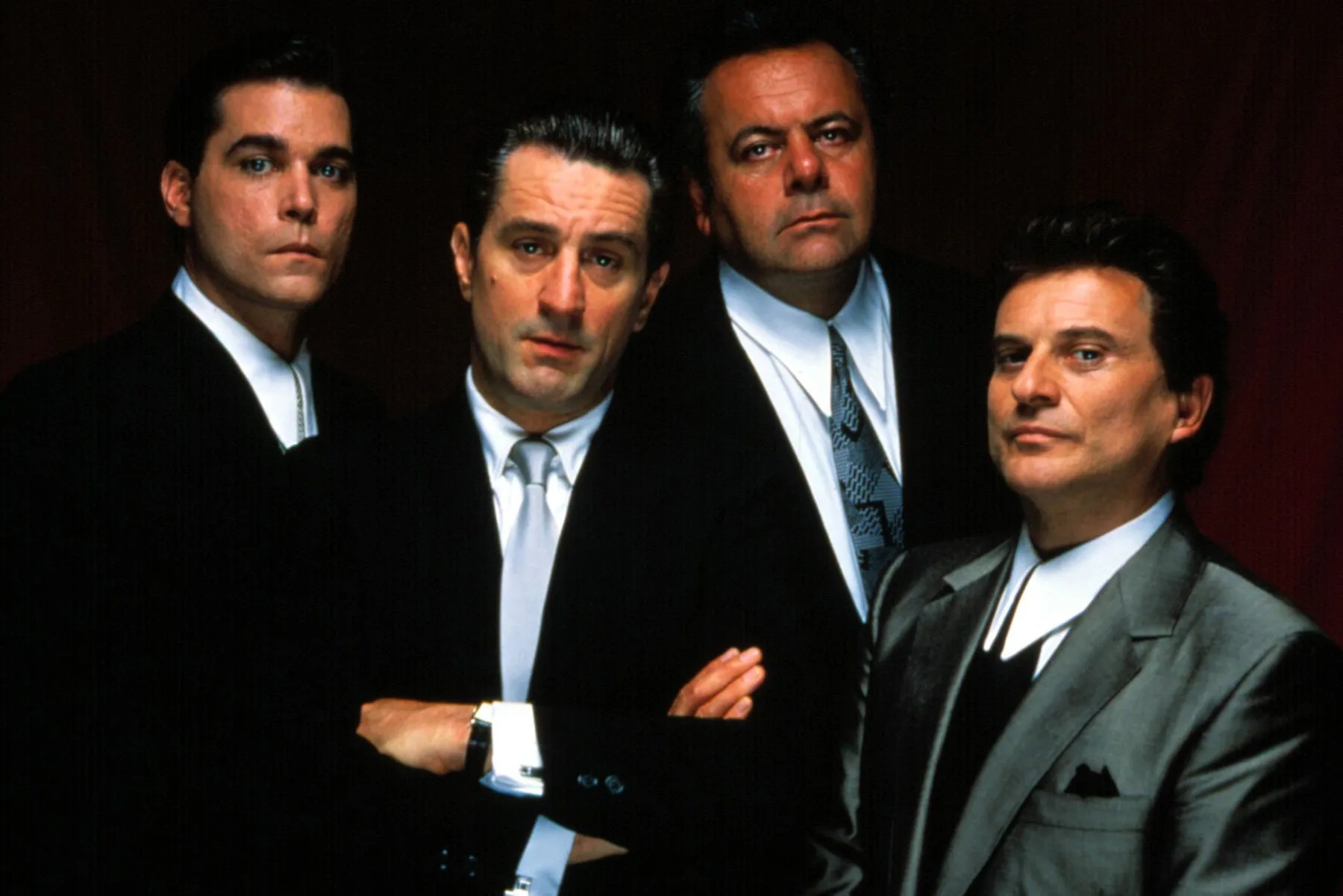
What do you think of when someone says “Martin Scorsese”? I know I think about gangster movies. He’s dabbled in different types of gangster films, with period pieces like Gangs of New York and the more hardened, modern setting in The Departed. But it is the world of the Mafia and Italian gangsters where Scorsese’s most iconic work has come from. The representation of Italian American culture draws Scorsese more often to these projects, even if it is focusing on the darker and seedier aspects of Italian American culture. The most effective, iconic, and beloved example of Scorsese’s portrayal of the Mafia is certainly Goodfellas.
A film that realistically should have won Best Picture back in 1990, this is about the seduction of youth and how this lavish and dangerous lifestyle captures the imagination of young Italian men (and women). A moth to a flame; that’s the story of Henry Hill in a nutshell. The impressive array of music through the decades expertly captures the years and atmosphere changing throughout the film. The use of “Layla” by Derek and the Dominoes is incredible, as its beautiful piano solo is accompanied by the grotesque mutilation of a whole crew who were killed to cover up their crimes. The use of old-school music of the ’50s captures the nostalgia of Henry’s upbringing. The vibes are all there. The filmmaking is masterpiece-level, as Scorsese and his crew incorporate long takes (the Copacabana sequence is one of the most iconic long takes in the history of film). The high-energy storytelling and editing keep this long, dramatic story going with the sleekness and sharpness that Scorsese is known for. Scorsese gets amazing work out of all his actors, but Goodfellas offers up five incredible performances that are career-defining or reaffirming. Ray Liotta had the greatest performance of his career as he anchors this film and embodies the horrible and reckless choices of Henry in his life. Lorraine Bracco is equally amazing as Henry’s love and wife, Karen. But the Academy Awards only honored one performance from this one, and Joe Pesci’s Tommy DeVito is one of the most chaotic, unpredictable, and impressive performances on film. His natural energy is certainly a key to it, but his terrifying presence is what makes Tommy so darn interesting. Then you have De Niro, who effortlessly slides into his supporting performance with all of his talents. Few films are as fully realized as Goodfellas in capturing the world, characters, and atmosphere, and it just might be Scorsese’s magnum opus.
The Wolf of Wall Street
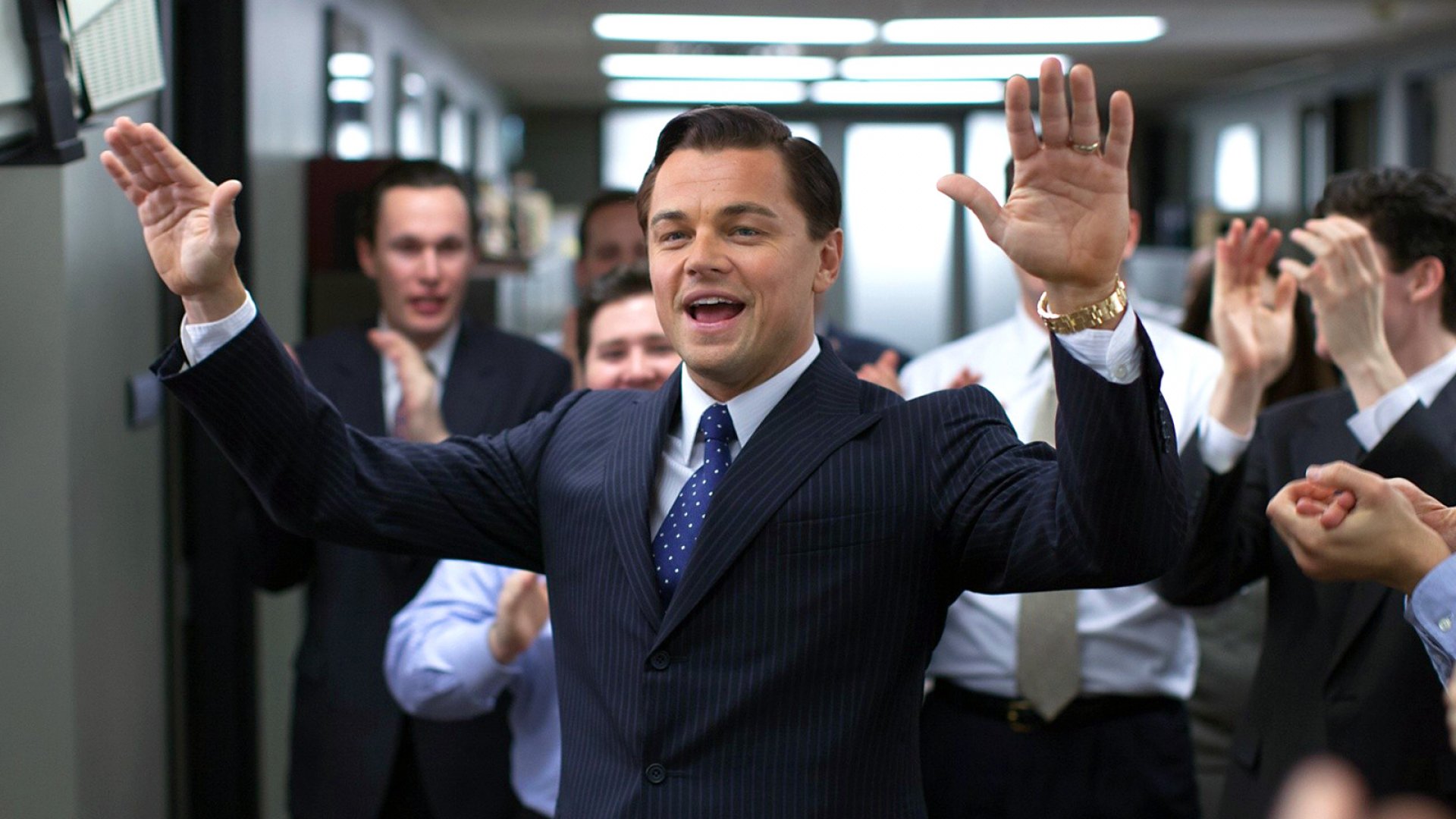
Can you believe decades and decades into Scorsese’s career, he is still performing at a whole new level? In recent years, Scorsese has crafted epic westerns and gangster pictures that have subverted the genres and looked at the dark side of those experiences. But a decade before, he did the same for business and the world of predatory finance with The Wolf of Wall Street, a shocking example of how much Scorsese still had in the tank back in 2013. This is a sprawling three-hour epic of decadence, debauchery, and the unfortunate reality when it comes to the distinct lack of consequences. Another tale of a moth to the flame, but this time replacing the gangster life for that of the lavish life of big-money gamblers in the stock market. Jordan Belfort is yet another flawed, ambitious, and repugnant protagonist who Scorsese challenges the audience to go on a cinematic journey with. A young man who seemed to be honest soon reveals himself to be a wolf in a world of poor sheep who are quick to surrender their money to this golden idol of greed. The profanity, brashness, and horrific levels of hedonism feel like they could only be made by a young, hungry filmmaker on the rise. Instead, it is a master of cinema who shows that he can expand his own cinematic horizons and offer up a cautionary tale of corporate greed.
This is the most darkly funny film of Scorsese’s career, as he forces his audience to look deep into the morally devoid life of Belfort. But the question is will you rebuke…or will you be seduced too? Did Scorsese denounce or glamorize? This is what makes Scorsese a master…that is up to you. The tightrope that he walks in his filmmaking choices is so exact and impressive.
The Wolf of Wall Street is also one of the fixtures of Scorsese’s second great acting partnership with Leonardo DiCaprio. This talented performer is a force unleashed onto the screen with his full commitment to this world-crazed and engulfing greed. The likes of Jonah Hill, Jon Bernthal, and breakout star Margot Robbie are the perfect additions to this vibrant, sleek, high-energy, and blues-tinged black comedy. As Belfort tries to get us to sell him this pen in the end, we realize just how impressive Scorsese still is as a filmmaker, and just how deeply he can manipulate his audience and force us into the deepest, darkest depths of humanity.
Also see: Taxi Driver, The Departed, Killers of the Flower Moon, Casino, Hugo

 Knock on Wood
Leave a comment