
This year’s awards season is full of stories that examine the betrayal of justice and righteousness, the deviation from the supposed fairness promised by the systems we have come to rely on. Wicked, Anora, The Seed of the Sacred Fig…the list goes on. In a world that seems to grow more disgusted with itself as the years go by, films like this continue to ring true.
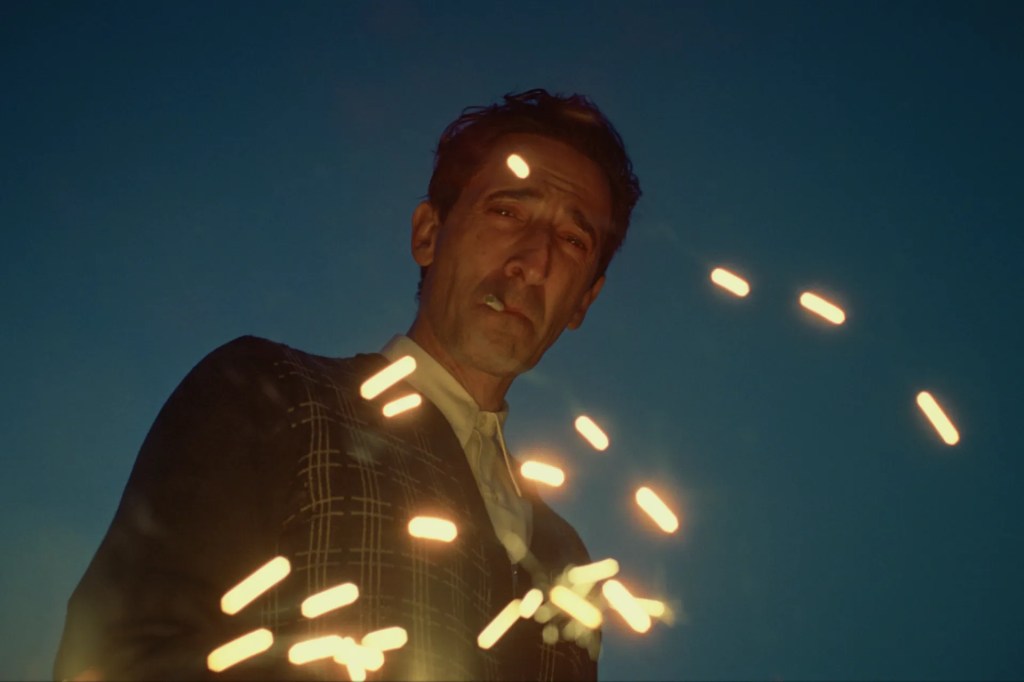
The aforementioned awards season would not be complete without The Brutalist, a decades-spanning historical epic from Vox Lux director Brady Corbet. Running at over three and a half hours with an incorporated intermission, The Brutalist is one of the most all-encompassing feats of genre filmmaking I have ever been privileged enough to see in a theater.
Since its premiere at Venice’s respected Film Festival (where it won Corbet the Silver Lion for Best Direction), The Brutalist has absolutely fascinated me. A period drama of enormous length featuring an excellent cast receiving rave reviews is not unexpected for a film festival, but this one felt different. I could tell, even knowing very little about it, that it would have a profound impact on me. I was not disappointed.
Corbet’s American odyssey begins on a boat to New York City. Hungarian-Jewish architect László Tóth (The Pianist’s Adrien Brody) looks out upon the harbor as Corbet focuses on an upside-down Statue of Liberty, the very key thematic image used so effectively in the film’s poster and trailer. László has difficulty pursuing a job that properly utilizes his skills, until the massively wealthy Harrison Lee Van Buren (Memento’s Guy Pearce) commissions him to lead an important architectural project.
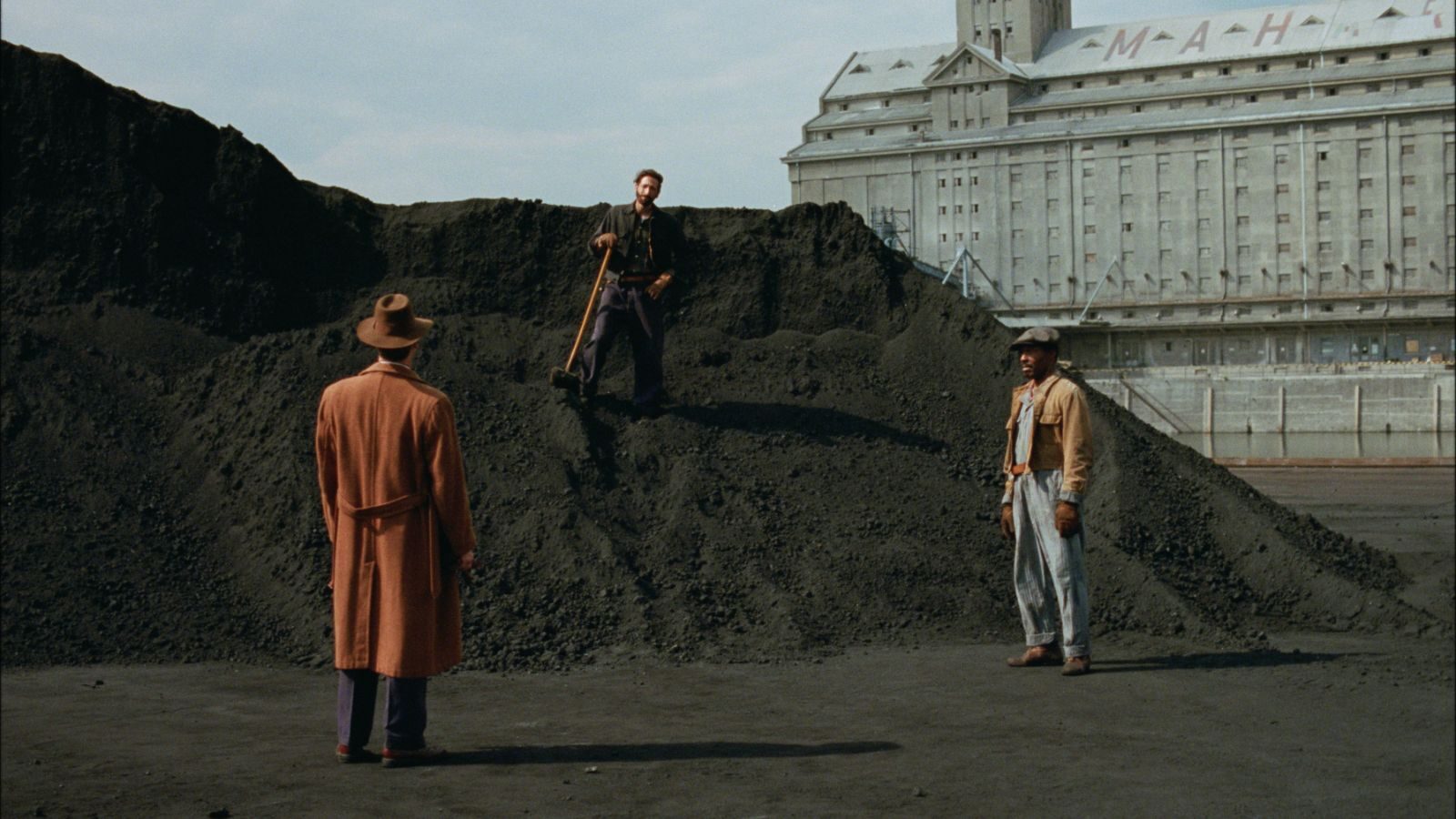
It’s hard to believe that three and a half hours (215 minutes, including the intermission) could fly by impossibly fast, but The Brutalist makes it happen in what feels like record time. Corbet and co-writer Mona Fastvold keep the pace brisk while lingering on crucial character beats, soaking up every possible moment of drama while never sacrificing the tempo it establishes with the very first one-shot of László’s arrival stateside. Everything works out exactly in its own time, and when you cannot imagine a film playing out any other way, you know it’s done its job very efficiently.
Brody is triumphant – there’s a chance he could be heading towards his second Oscar win – but Pearce is a true marvel. The man’s no stranger to excellent performances, but his turn as the kind but temperamental Van Buren is breathtaking. He commands every moment he’s on-screen, demanding attention and nearly eclipsing every other figure in the frame. Corbet clearly realizes the talent he has, because Pearce’s domination never falters, even when he’s not physically present. It works very effectively for the character – from the moment he’s introduced, Van Buren’s influence looms, and László can never quite escape it.
Starring alongside Brody and Pearce is Felicity Jones (On the Basis of Sex) as Erzsébet, László’s wife, who is nothing short of quietly spectacular. Though she doesn’t physically appear until the second half (post-intermission), her presence is another that stretches through her absence, influencing László’s journey and decisions. Raffey Cassidy (Tomorrowland) appears as László’s niece Zsófia, and Joe Alwyn (Billy Lynn’s Long Halftime Walk) disappears into the despicably snide role of Van Buren’s son Harry.

The Brutalist speaks beautifully and honestly to America’s betrayal of immigrants and the broken promise of the infamous (some might say mythical) American Dream. László navigates scrutiny, bigotry, and discrimination while simply trying to do what he knows how to do. I don’t know nearly enough about the subject to comment, but the film seems deeply concerned with examining László’s journey through the lens of architectural psychology, which links human behavior to built environments – the very craft László has dedicated his life to.
I could never accurately speak to the creative intentions of a film’s director, but The Brutalist seems to indicate an obsession, or at least an interest, with the concept of legacy and how we wish to be remembered. László Tóth is a fictional character, but he stands in for a generation of European artists who were forced to emigrate because of the Holocaust. Out of the tragedy came great artistic progress, and Corbet’s masterpiece seems intent on drawing a correlation between the ideology behind the cruel minds of the world and the man-made beauty that emerges from it.
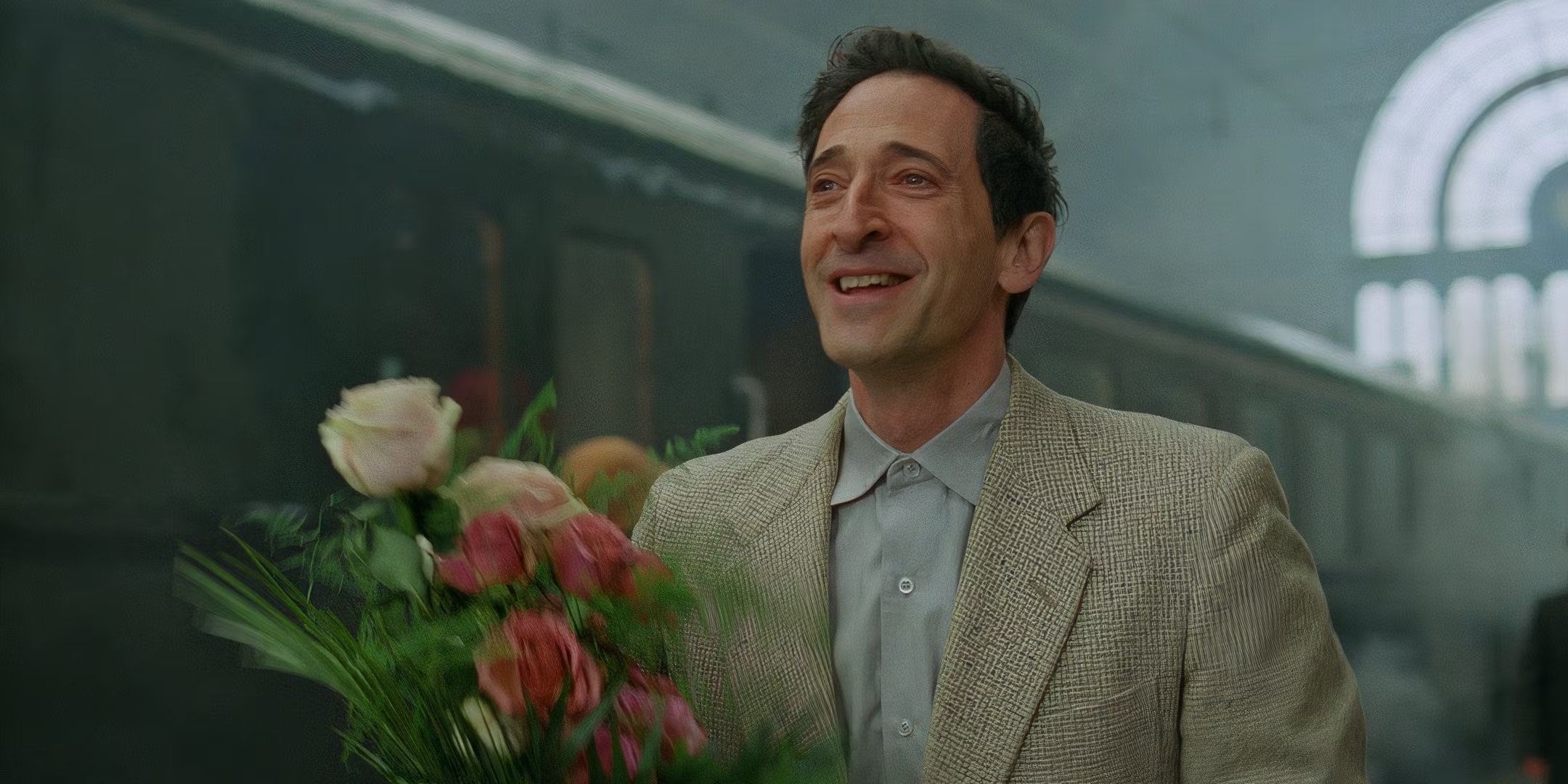
As if that wasn’t enough, Corbet shot The Brutalist with VistaVision technology, a process pioneered in the 1950s (according to Corbet, the effort was undertaken to more accurately capture the look of the time period), making this the first live-action film to be entirely constructed this way since 1979. It’s a staggering cinematic achievement, and should not be understated.
The Brutalist opens in select theaters on December 20.

 Knock on Wood
Leave a comment