

One year ago, the very first review went live on our fledgeling site. It was a dissection of Ridley Scott’s Napoleon, a film that seems to have faded from public consciousness (especially in the wake of the box office sensation that is Gladiator II), but I’m still quite proud of the headline, the very first in Knock on Wood’s history – “‘Napoleon’ Has a Complex.” In the years since, we’ve published reviews, retrospectives, lists, and more, covering the last year of film, television, theatre, music, and everything in between.
I have experienced immense personal growth as a writer in this past year, and I’ve learned a lot about the craft that I hope to adopt in the year to come. Before Knock on Wood, I edited another site (The Lenient Critic) for almost four years. It began as a pandemic hobby, and it’s since grown into a hub for pop culture positivity, supported by a wonderful network of contributors, all of whom I am incredibly lucky to call my friends. For this celebration, I asked those contributors to write about the movies that made them, the films that inspired their love of the art form. Even if they weren’t the exact movie that made you a cinephile, every film fan has one (or many) that you can cite as one of the central inspirations for that passion.
In the next year, we hope to expand our coverage, an endeavor that I began after my cross-country move to Los Angeles this fall. Whichever direction the site finds itself heading in the future, I want our readership to know that we are committed to our core values of fairness, variety, and celebration, and we are looking forward to embarking on this journey with you.
– Rowan

Titanic
Heath Lynch
Honestly, I have no clue what movie ‘got me into movies.’ I’m too old. Too senile. I wish I could recall what dazzled me back in 1989, but alas, those memories are toast. However, there is a memory I still have which, if we stretch the definition of the topic just a bit, still answers the spirit of the question. While I don’t remember the movie that made me fall in love with movies, I do remember the movie that got me to start following the Oscars… which in turn opened up my eyes to a world of film I previously was not inclined to explore. That’s Titanic. Clichéd as it may be, seeing as this film was a global phenomenon back in 1997, this was my entry point into becoming obsessive about the Oscars and trying to watch films of a higher quality. Because, while I may have gone into these Oscars obsessed with James Horner’s score, being entranced by the film’s visual effects, and just wanting to watch Céline Dion belt out “My Heart Will Go On” on the Oscar stage, I left wanting to go see films like Kundun, L.A. Confidential, Boogie Nights, As Good as It Gets, and Good Will Hunting. Some of those are still among my favorite films of all time to this day. My childhood movie era was behind me. No longer was the cinema landscape determined by Disney animated movies, slapstick kidventures, and the occasional large-scale, popcorn blockbuster. I was entering a world full of dramatic acting, emotional weight, and thematic purpose. From that moment on, I followed the Oscars and dove into film research with reckless abandon, and I’ve been the same ever since. So, thank you Titanic. It’s because of you that I watch 150+ new films every year and care way too much about Oscar results. I love you (and even kinda hate you) for it.
Fantastic Mr. Fox
Davis Mathis
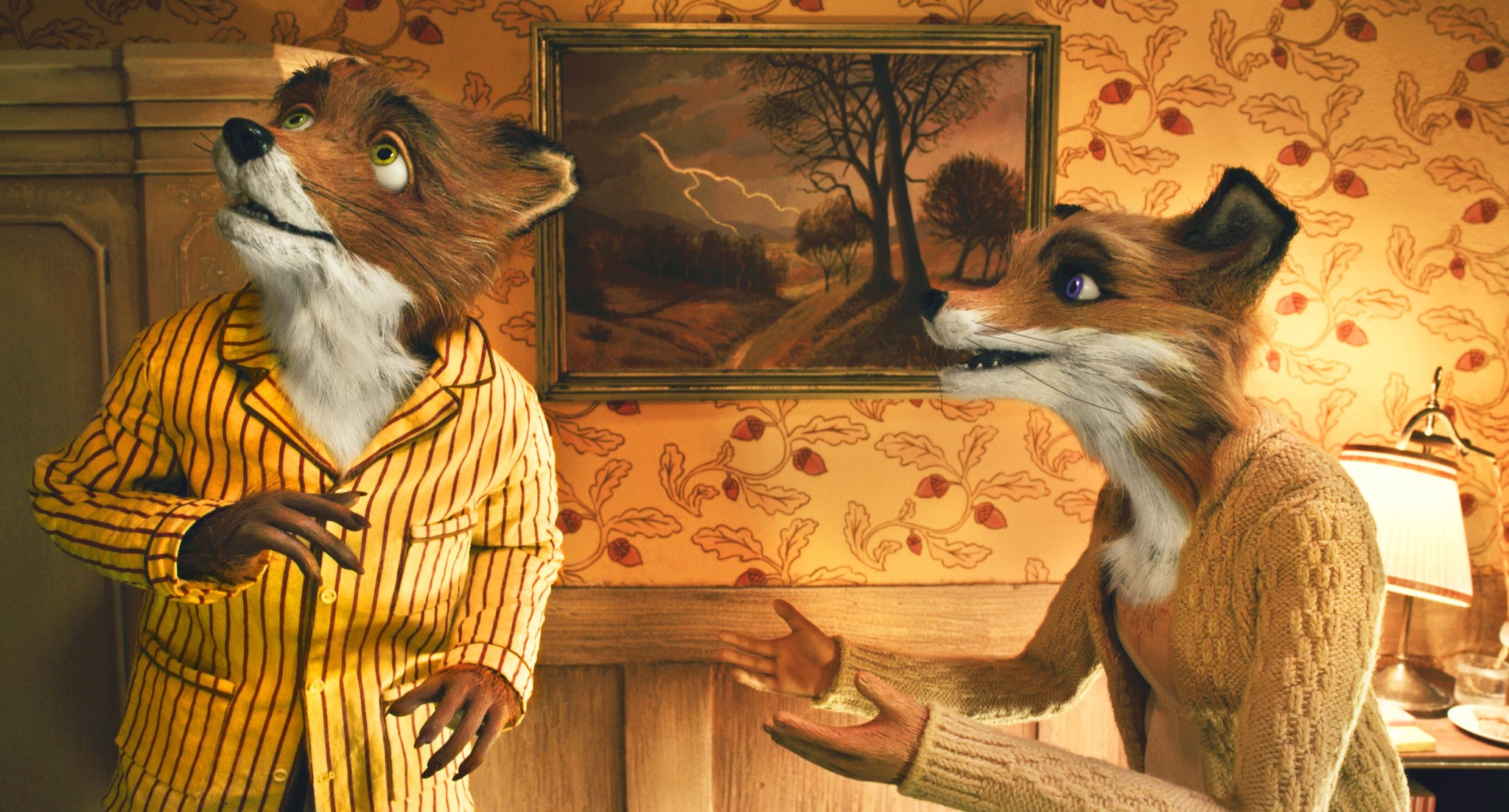
I was eight years old when Fantastic Mr. Fox was released. I saw it in a theater with my dad while my sister and mom saw Cloudy with a Chance of Meatballs (thinking about the fact that Fantastic Mr. Fox and Cloudy with a Chance of Meatballs came out within one year of each other makes me feel like I’m not a real person). I left the theater excited to tell my mom and sister about all the funny things that my dad had to explain to me (“they’re saying cuss instead of saying swear words!”) and my sister was happy to share with me that a child had thrown up in the row behind them during the movie.
I read the Roald Dahl book soon after, hoping to relive some of the magic of the film, but I was disappointed to find that while the plot is mostly the same, it lacked the snappy dialogue and dry humor of the film, and many of my favorite characters were missing. I have a distinct memory of sitting at lunch in elementary school and having a discussion with a teacher and some fellow students about how movies are almost never better than the books they are based off of. I firmly believed this was wrong, citing Fantastic Mr. Fox as the perfect example of a movie being better than the book.
Fantastic Mr. Fox was almost certainly my first introduction to stop-motion animation, an art form I completely fell in love with. I started making videos with little Japanese erasers I had collected, mostly one-off sketches, around 30 seconds long, with a slapstick punchline. I used my dad’s old video camera, one that still used tapes, and filmed the sketches in order, rewinding and taping over what I’d just done if I messed anything up. I didn’t quite understand stop-motion, so instead of taking individual photos for each frame, I would hit record on the camera and then hit it again as quickly as possible, so the sketches were animated through clunky little half-second shots. Fantastic Mr. Fox was the first movie I’d ever seen that worked for me so deeply on so many levels that I felt like I needed to try to make movies myself.

Prisoners
Foster Harlfinger
I saw the trailer for Prisoners a handful of times in 2013. I was 14 years old, and something about the darkness of its premise combined with the dramatic seven-person cast list reveal at the end of the trailer — six names of which were preceded by the words “Academy Award Nominee” or “Winner” — had me hooked. My dad brought me to see the movie in theaters, and I felt immediately pulled in by the film’s dark, dreary tone and horrifyingly convincing performances. The movie gave me a feeling that I had not felt in a film before. I was unsettled. Not in some superficial way, but in a way that lingered, and I found myself strangely drawn to that lingering fear. Months later, I was given the DVD on my birthday and it quickly became a movie I watched at least once or twice a year. In retrospect, my love for Prisoners was born out of the fact that this was one of the first times that I connected with a film aimed exclusively at adults. It opened my eyes to a new layer of tension and darkness that filmmaking could convey. While Prisoners may not be the film that got me into the medium, its release marked a crucial turning point in my growth from a film-loving kid to a film-loving adult.
Back to the Future
Rowan Wood
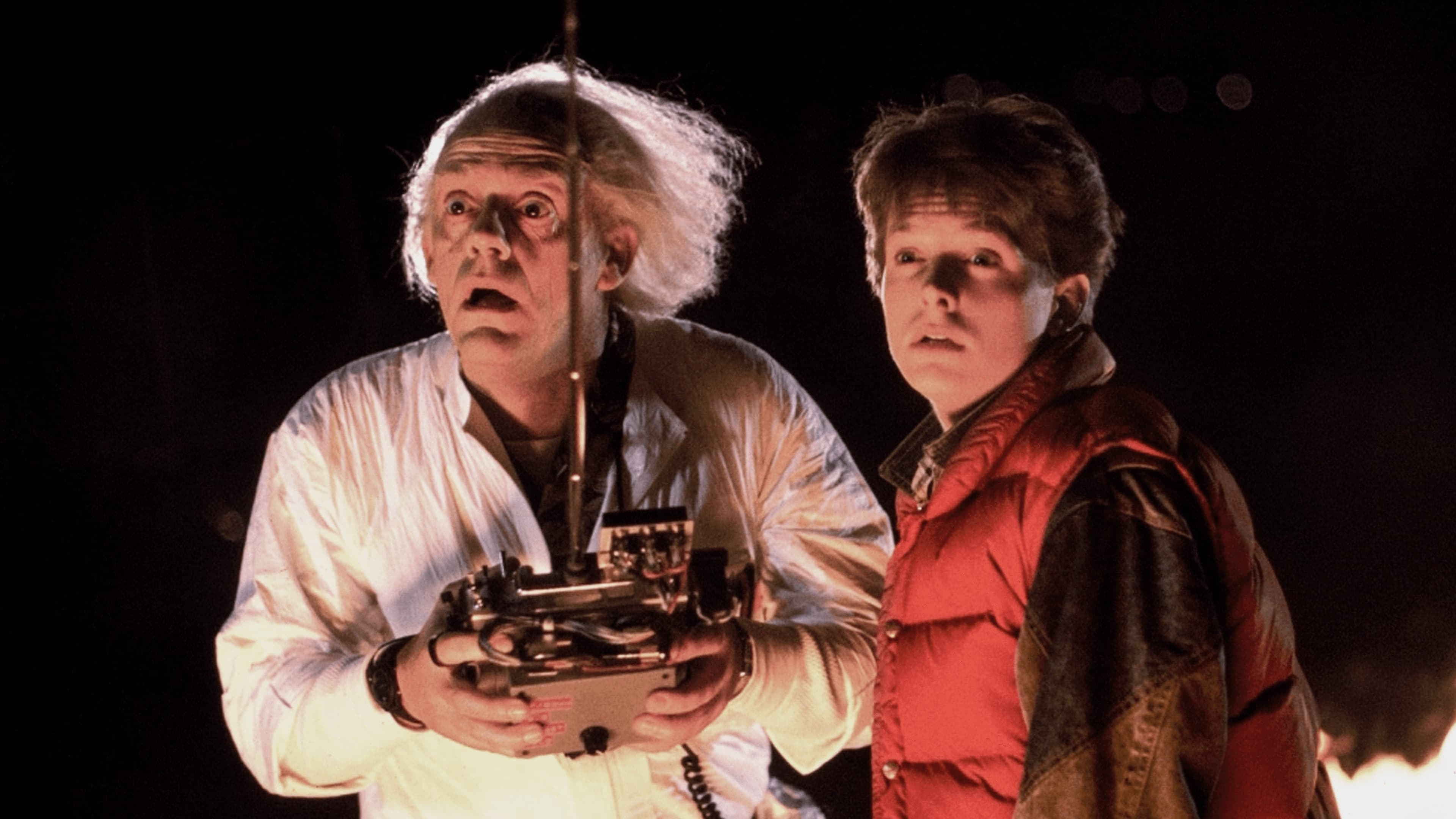
I know, I know. Everyone loves Back to the Future. It’s not exactly the most original pick for the “movies that made me fall in love with the craft,” but it’s the most honest one. I’d seen it when I was younger, but in 2016, as part of the belated 30th anniversary celebration, screenwriter Bob Gale and star Christopher Lloyd came to my local two-screen indie theater and held a lengthy Q&A after a screening. It was my first time seeing BttF on the big screen, and certainly my first time interacting with proper film industry royalty that I had idolized for years beforehand (my small coastal town was never the place to go for celebrity sightings, or repertory screenings for that matter). Watching the movie on the biggest screen available and then meeting two of my heroes – I even got to recreate the iconic poster pose with Bob Gale! – was not only a formative experience for me, it was enlightening. It was euphoric.
It’s not hyperbolic to call Back to the Future one of the greatest films of all time; the perfectly tight script, exaggerated performances, and appropriately chaotic production speak for themselves. But it was an incredibly impactful text for a young Rowan who was only beginning to see films as something beyond a viewing experience. Back to the Future showed me an ideal example of film as a medium for eliciting core human emotion, and put me on the path towards dedicating myself to a career in the film industry…a path I still find myself on today.
The Indiana Jones Trilogy
May Honey
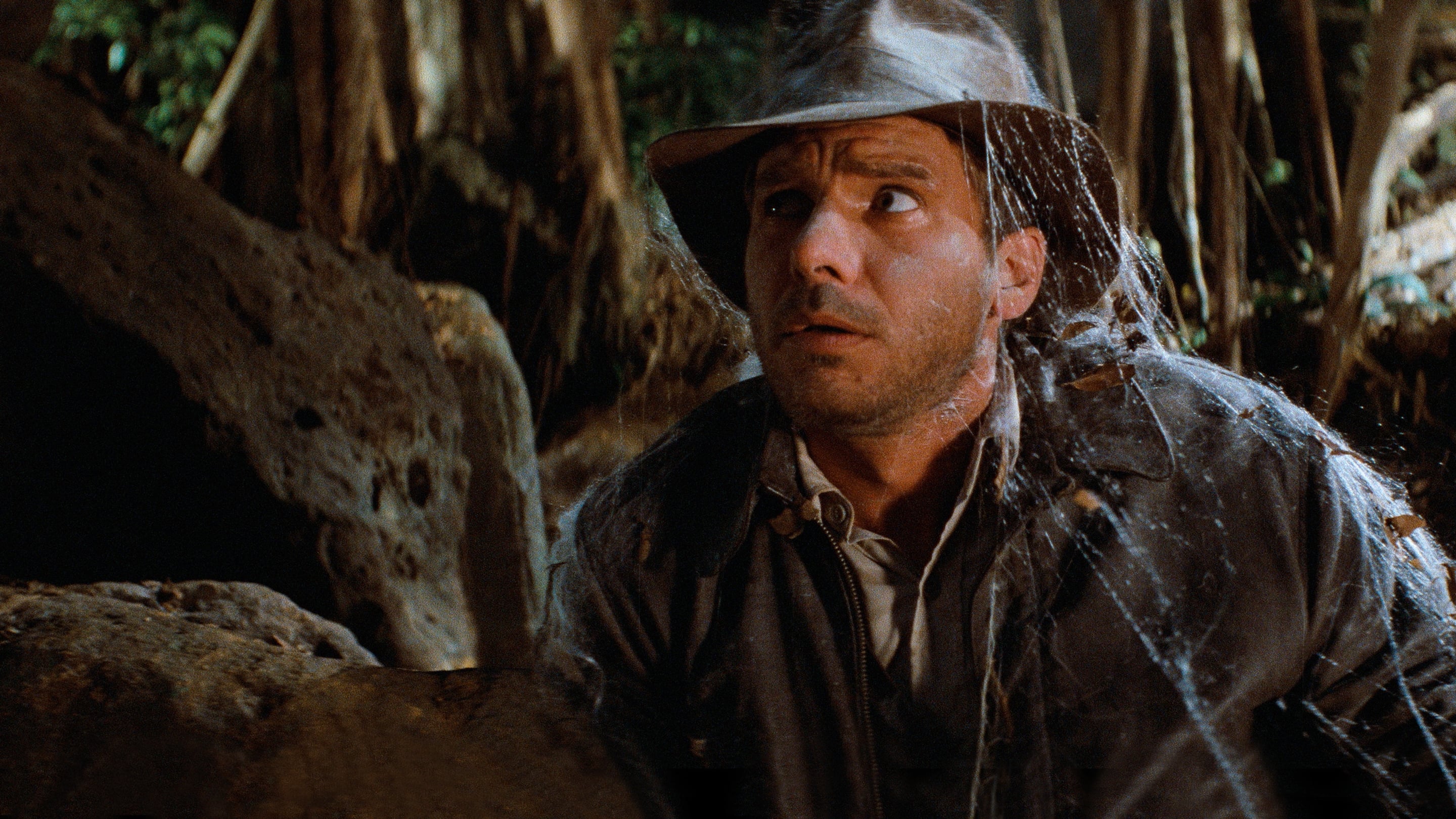
I don’t remember the first time I watched any of the films in Steven Spielberg’s initial Indiana Jones trilogy. What is etched into my brain is every single musical cue, every line, every camera movement, and pretty much everything else down to the DVD box art my dad owned. I’ve essentially been into movies my entire life, so there was no true moment where everything lined up and I jumped into it fully after not having been previously. I’ve always just been that movie kid.
Out of all the movies I’d consider childhood films, these three have aged specifically and beautifully. There was that initial purely uneducated era of my childhood where they swept me off my feet so comprehensively that it felt like it wasn’t just Indy going on those adventures…I was too! It’s a level of innocence in an experience that is pretty much impossible to recapture with any new releases, and to this day, when I watch the truck chase in Raiders of the Lost Ark, the entire action finale of Temple of Doom, or Indy’s daring rescue of his father in The Last Crusade, it brings that feeling back into me as if it’s new.
After this era of childhood enthusiasm came my pretentious snob era, where online discourse affected me too heavily and I became way too overcritical on many things I’ve since softened on. Indiana Jones was always the exception to that rule though. Now that I was learning about plot structure, camera movement, and many other facets of filmmaking, it was only highlighted to me the more I got older how much craft is present in all three Indy films. The spirit these movies have of discovery, adventure, and even deep respect for history and culture still makes me want to try new things, travel, and meet new people. Going to Venice is still on my bucket list, and you know when I’m there I’ll try to visit an old library. For a set of films that are very simply conceived, they couldn’t be any more special and “lightning in a bottle” if they tried. They will forever be some of the most important pieces of media I’ve ever experienced.

Shrek
Shane Conto
I watched movies years before this, but the year 2001 was one of the key times in my life that shaped my love of cinema. I saw The Fellowship of the Ring and Harry Potter and the Sorcerer’s Stone when they first released that year, and both of those franchises changed my life. The Lord of the Rings are still my favorite films of all time. I even watched The Godfather for the first time that year (yes…at 10 years old). But the film experience that stands out the most from that year is Shrek.
I just might be one of the biggest Shrek fans you will ever meet. Those other films showed me just what a film is capable of, but Shrek showed me how much joy a film can create. This animated flick is an expertly crafted send-up of fairy tales and it still can deliver some poignant emotional moments. The message of acceptance (including accepting yourself) hits deeply thanks to its empathetic presentation of an ogre, a talking donkey, and a bunch of other fairy tale beings. As an obese kid, I felt connected to Shrek and his plight, and it was an inspiring thing to see him find love. The film is filled to the brim with laughs as well, and it only gets better as you get older. There are so many jokes that go straight over your head at 10 years old and hit the right spot when you are an adult. The soundtrack is iconic, with Smash Mouth delivering the dynamite duo of “All Star” and “I’m a Believer.” The cast is incredible, with Mike Myers delivering the perfect Scottish accent to bring Shrek to life. He is only matched by the endlessly entertaining Eddie Murphy, whose entire performance I can quote from start to finish. This is one of the most joyous 90 minutes I have experienced watching a film, and it will always be one of the key comfort films in my life. The only thing better than Shrek…is Shrek 2.

 Knock on Wood
Leave a comment