

Welcome to class! My full-time job is working at a university, and I teach as well. One of my dreams has always been to teach a film class. Taking students through the world of cinema and helping them learn about the art form that I am so passionate about would be an amazing experience. But alas…I teach math. This series, “Lessons from the Wasteland,” is my opportunity to offer readers a curated watchlist to learn through doing (…watching movies). Each film on this list will highlight a filmmaker, sub-genre, filmmaking technique, or significant topic in order to broaden your cinematic horizons. For this month we have…
Mel Brooks
The Producers (1967)
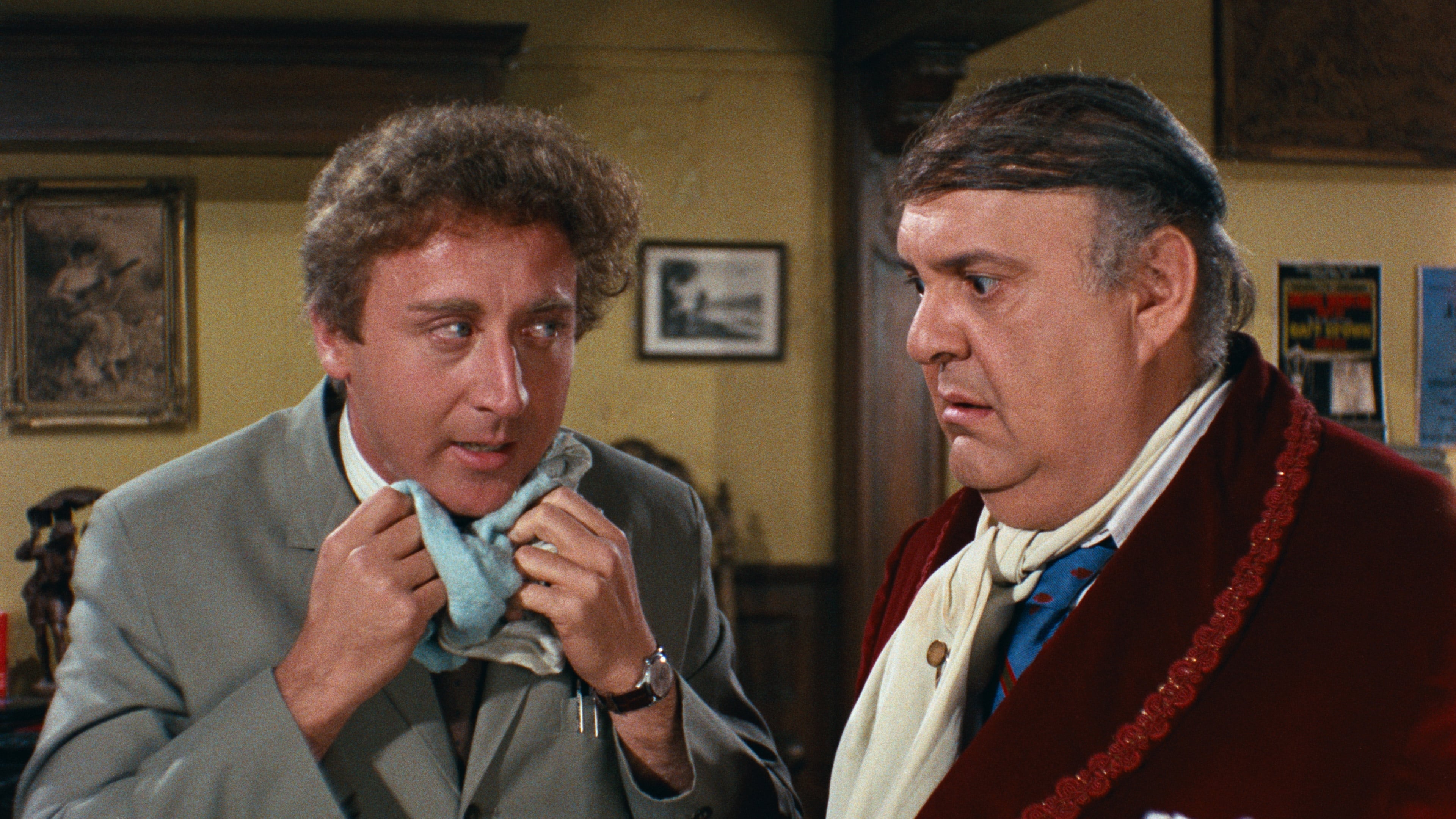
It’s important to make a great first impression as a filmmaker. Most will only get one opportunity to hit it big with audiences. Many have whole careers before they get a chance to deliver their first feature film. When 1967 rolled around, Mel Brooks made his big screen debut with The Producers. Even then, Brooks understood the entertainment industry so well and knows exactly how to lampoon each and every aspect of it. The tale of Max Bialystock is a wild one, with Bialystock beginning as a grotesque grifter trying to get money to make his misguided stage shows. One fateful encounter with a nervous and weak accountant, Leo Bloom, takes Max down a path of lies and deceit in order to make a big buck…with a big flop!
The Producers is a provocative comedy that pushes the boundaries of what people could get away with in a film. Our protagonist is a crook and takes advantage of elderly women (and they take advantage of him as well…physically). The play that Max and Leo choose that they hope would be a huge flop certainly pushes some boundaries is called Springtime for Hitler. You heard that right. I am sure this is not a musical you would expect to exist, but it makes for some incredible laughs and crazy moments in the climax of this comedy.
Brooks has a biting perspective behind the scenes of the entertainment industry. There are endlessly funny moments, from a hippie actor named L.S.D. making Hitler into a singing and flamboyant fool, to little old ladies who want sexual favors from Max. But the cast makes this film so incredible. Zero Mostel is a delight as he brings charm and wiley energy to the grifter that is Max. Gene Wilder is a real standout as the neurotic and manic Leo who just wants his blue blanket. Kenneth Mars is endlessly hilarious as the oafish Nazi who wrote the play. Dick Shawn is a revelation, and so uniquely charismatic as the fittingly named L.S.D. Every little performance is pitch-perfect, making for an endless hilarious satire of Broadway. But when will we ever get to see Springtime for Hitler?
Blazing Saddles
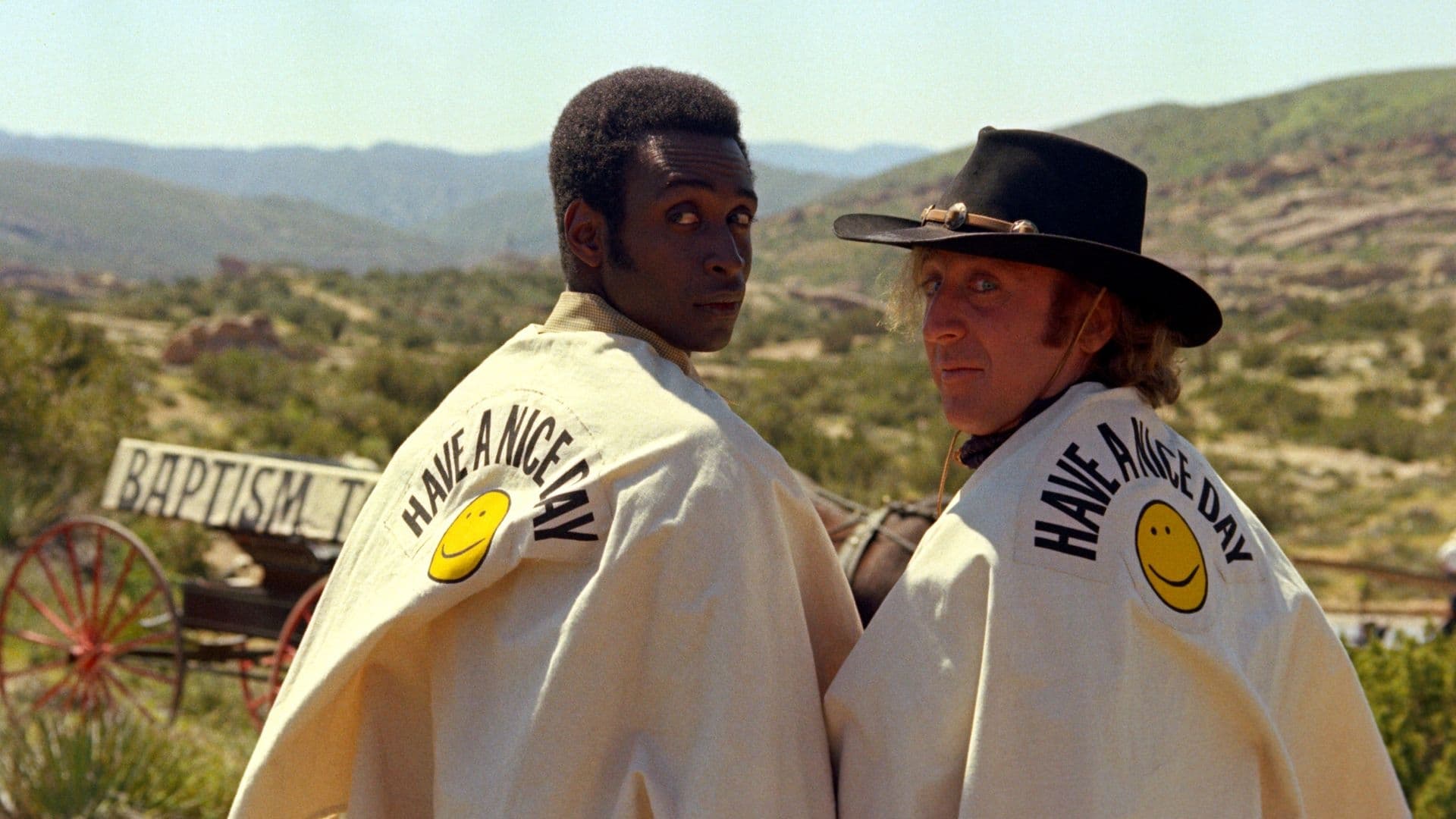
Blazing Saddles quickly became the gold standard for all satires and spoofs for the last 50 years. Brooks made a big splash with The Producers by showing that he could do movies, but it was with Blazing Saddles that he found his groove – lampooning genres and types of films. This has become his legacy, and everything about Blazing Saddles set that tone.
This film is a great Western, but it also has fun, with all the classic tropes and ideas that made the genre what it was. We know from the start when we have a classic John Ford-style song that opens the film and sets the tone. The song is funny in how traditional it sounds, but it works…because of how traditional it sounds. In that spirit, Brooks shakes the foundation of the Western and confronts a lot of the racism that permeated the classic genre. We love a brave and intelligent sheriff…but what if he were black? Cleavon Little eats the role up as Sheriff Bart because he has some cool charisma, can play fun character beats, and sells every gag set in front of him (even threatening to shoot himself as both a gravely bandit and shrill coward). Slim Pickens just might be the perfect lampooning of a Western character, as he plays it straight and the audience laughs at the rest. Gene Wilder is effortlessly entertaining, with his little smiles and quick (and sometimes shaky) hand. But the real breath of fresh air is Harvey Korman as Hedley Lamarr. This smug, weird, and condescending crook is the perfect villain, and Korman’s self-assured performance most certainly should have gotten him a nomination for Best Supporting Actor. His evil speech (to his drastically less intelligent henchmen) is comedic gold.
This incredible cast goes a long way into making this an all-time classic comedy, but there are two bigger elements of Brooks’ masterpiece that make it everlasting. There is no shame in Brooks, especially in how he confronts the horrors of racism and prejudice. The people of Rock Ridge (our innocent and victimized town) are not let off easy either for their own prejudices. A black man gains power and influence and truly makes a difference. Few films at all during that time would dare even do that. The film navigates many historic bits of bigotry, which unfortunately were still relevant when the film came out and still are in 2024.
The meta-humor elements of the film are some of the boldest put on screen. Yet again, Brooks was trail-blazing with new aspects of comedy, as the final sequence acknowledges the conceit that this was all a studio stage and our main conflict spills out onto the studio lot. There are so many iconic gags from this (including Lamarr even attending a showing of Blazing Saddles). Not only did Brooks create an endlessly funny film, but he also embedded universal and timeless themes that have aided this film’s staying power.
Young Frankenstein
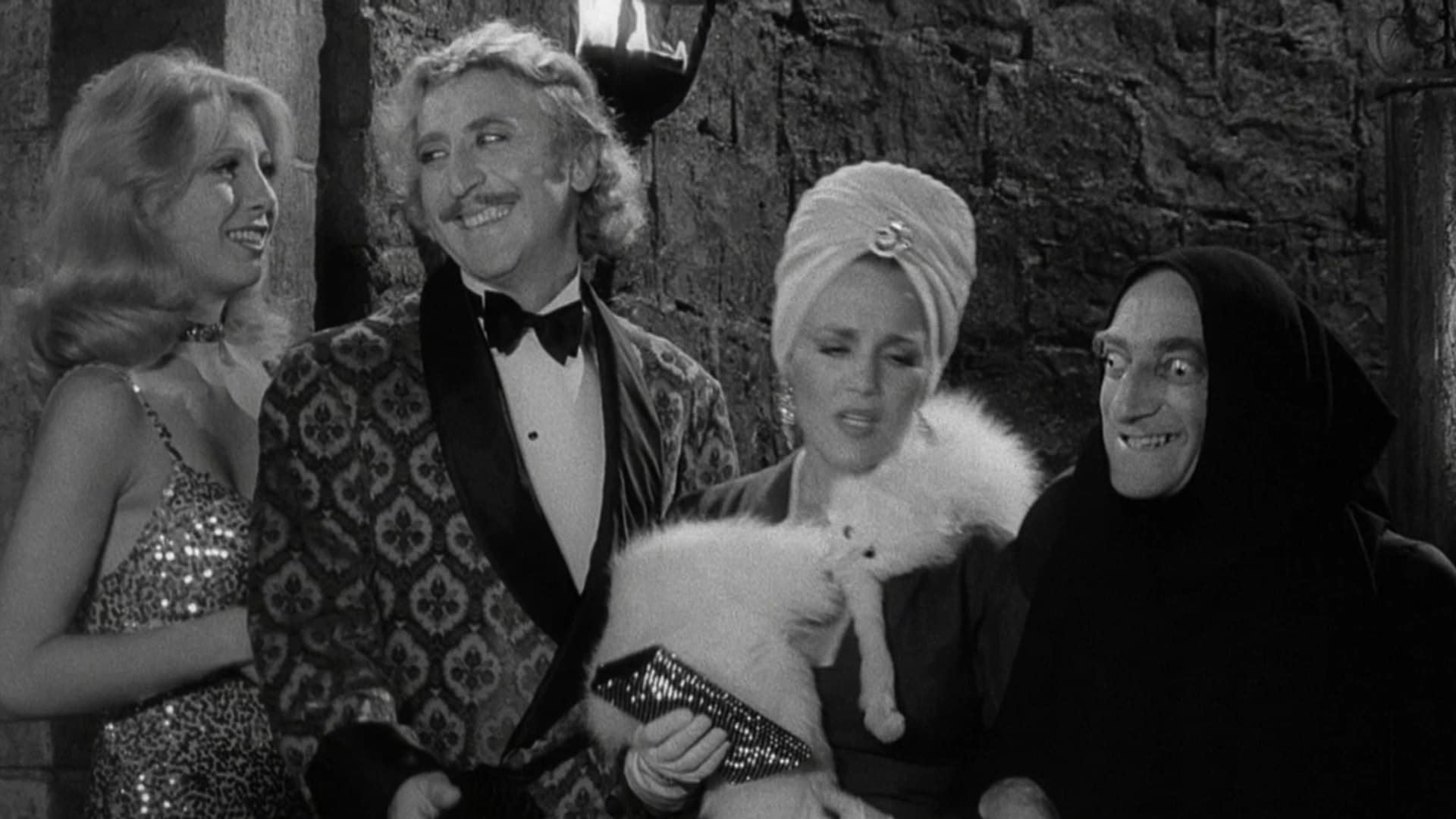
How did Blazing Saddles and Young Frankenstein come out in the same year? Brooks unearthed a mine of comedic gold that had enough substance to birth two legendary films. But one of the key differences was that Young Frankenstein was very much a collaboration between Brooks and his friend Gene Wilder. The genius of this idea came from Wilder, who came to Brooks and wanted him to direct (but not star). Where Blazing Saddles is an intelligent and hilarious send-up of the Western, Young Frankenstein points its nimble lampooning finger right at the Universal horror classics Frankenstein and The Bride of Frankenstein. They took major beats from both films and mixed them in a sharp bit of comedic alchemy. The descendant of Frankenstein, Dr. Frederick Frankenstein (pronounced “Fraunk-in-steen,” hilariously), returns to Eastern Europe on a train (even over the ocean…somehow). Joined by Marty Feldman’s Igor (pronounced “Eye-gor,” of course), Frederick brings life to a reanimated corpse in the form of The Monster. Peter Poyle is an absolute revelation as this monster, as he can express so much with just a stare and grunt. The mania that Wilder brings is incredible, as he balances deadpan sarcasm with big acting choices. Feldman is a wild card batch of different comedic approaches, from his walk to his facial expressions to his sarcasm to his random zingers. Madeline Khan and Teri Garr each bring a unique energy to their love interest characters. Cloris Leachman was a comedic genius, and everything she did was so intentional in creating Frau Blucher (a horse “nahs” loudly in the distance). Kenneth Mars is one of the best comedic character actors of his generation, and his Inspector Kemp has so many fun bits, with his thick accent and his prosthetic hand.
This film is a beautiful love letter to Universal monster movies while having so much fun sending up classic science fiction and horror films. The comedy is just incredible, with running gags like sexual singing, the changing of names, and Frau Blucher (yet again…a horse “nahs” loudly in the distance). There is a surprising amount of heart in this film, too (more than any other film that Brooks directed), but it never forgets to be hilarious along the way.
History of the World: Part I
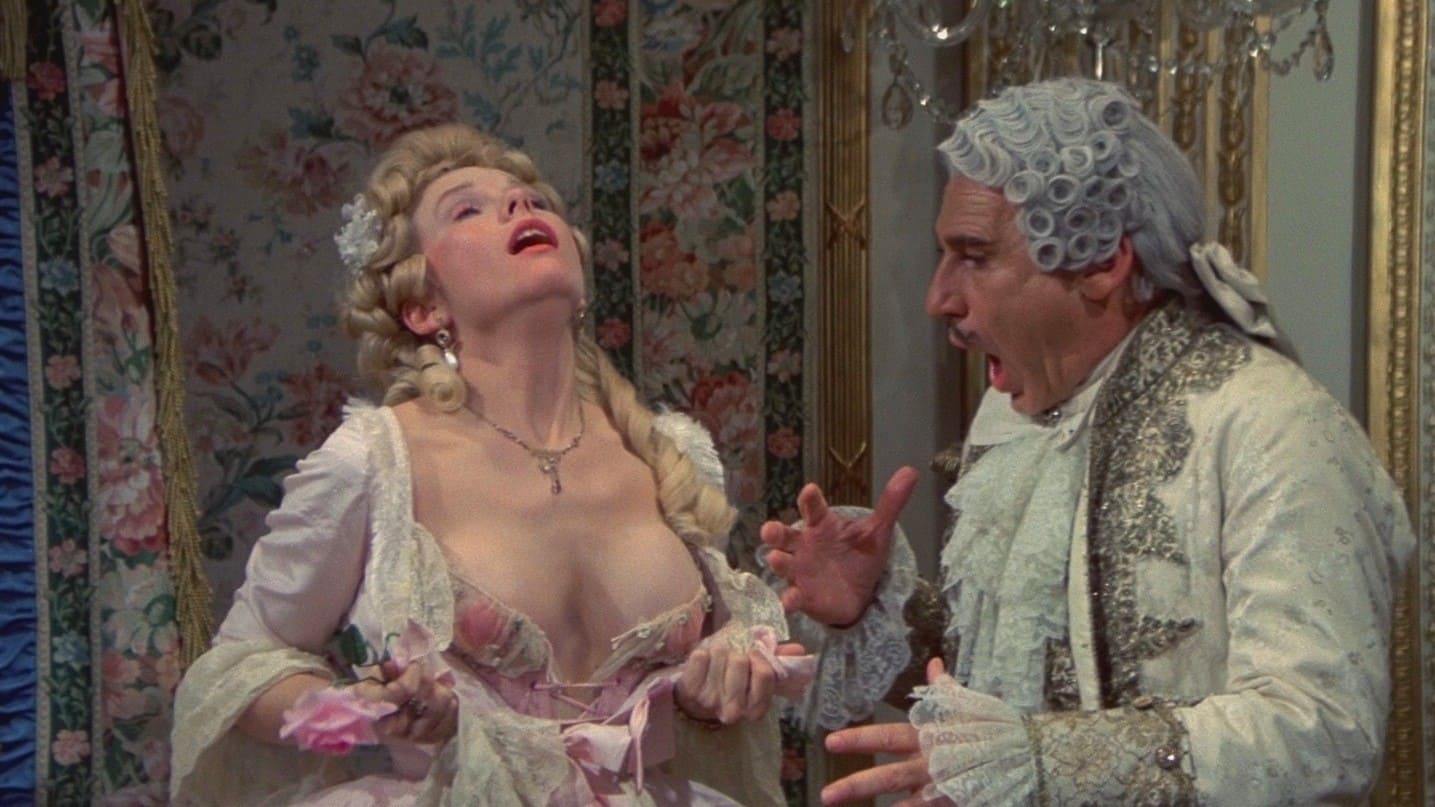
Why did it take until Mel Brooks in 1981 for someone to realize that you could have so much fun lampooning history? The reviews are not as strong for History of the World: Part I as they are for Blazing Saddles and Young Frankenstein, but this film is legitimately hilarious. From the Dawn of Man to the French Revolution, we get plenty of laughs as Brooks skewers all types of people over the centuries. This film boasts one of the greatest comedic ensembles ever put to film: Brooks, Gregory Hines, Dom DeLuise, Madeline Khan, Harvey Korman, Cloris Leachman, Ron Carey, Sid Caesar, Barry Levinson, Jackie Mason, and so many more bring such a diverse and wild group of characters to life.
There is not a lot of structure to the “narrative,” but there is so much space for humor and comedy to run rampant. Each and every set piece is hysterical. There is a wide range of humor as well, with physical comedy, dirty jokes, sarcasm, word placement, and innuendos galore. This film certainly feels epic when the Dawn of Man sequence (a wonderfully fun lampooning of 2001: A Space Odyssey) is introduced by the narration of film legend Orson Welles. There are few figures who could have such scale and presence as Welles. The creation of marriage (and gay marriage), art, and critics make for some fun gags. The Rome sequence is the largest set piece and is filled to the brim with laughs and gags from “Stand-Up Philosophers” (the true bullshit artists, as expertly deemed by Bea Arthur), DeLuise’s Emperor Nero, and more focus on penises than you could possibly imagine. Brooks plays Moses as well, which delivers one of the best jokes ever about the 15 (I mean 10!) Commandments.
One of the darkest moments in human history was the widespread persecution of the Spanish Inquisition, but apparently it makes for one of the funniest musical and dance numbers in the history of cinema (and make sure to send in the nuns!). Even the French Revolution teaches us some great lessons like it is “Good to be the King” and that you have to count the money (“DE MONET!”). But History of the World: Part I just might have created the greatest tease for a sequel that was probably never going to happen (but it did!) and that is the final sequence that promised audiences History of the World: Part II. Hitler on Ice?! Jews…in…Space. Nothing else needs to be said.
Spaceballs
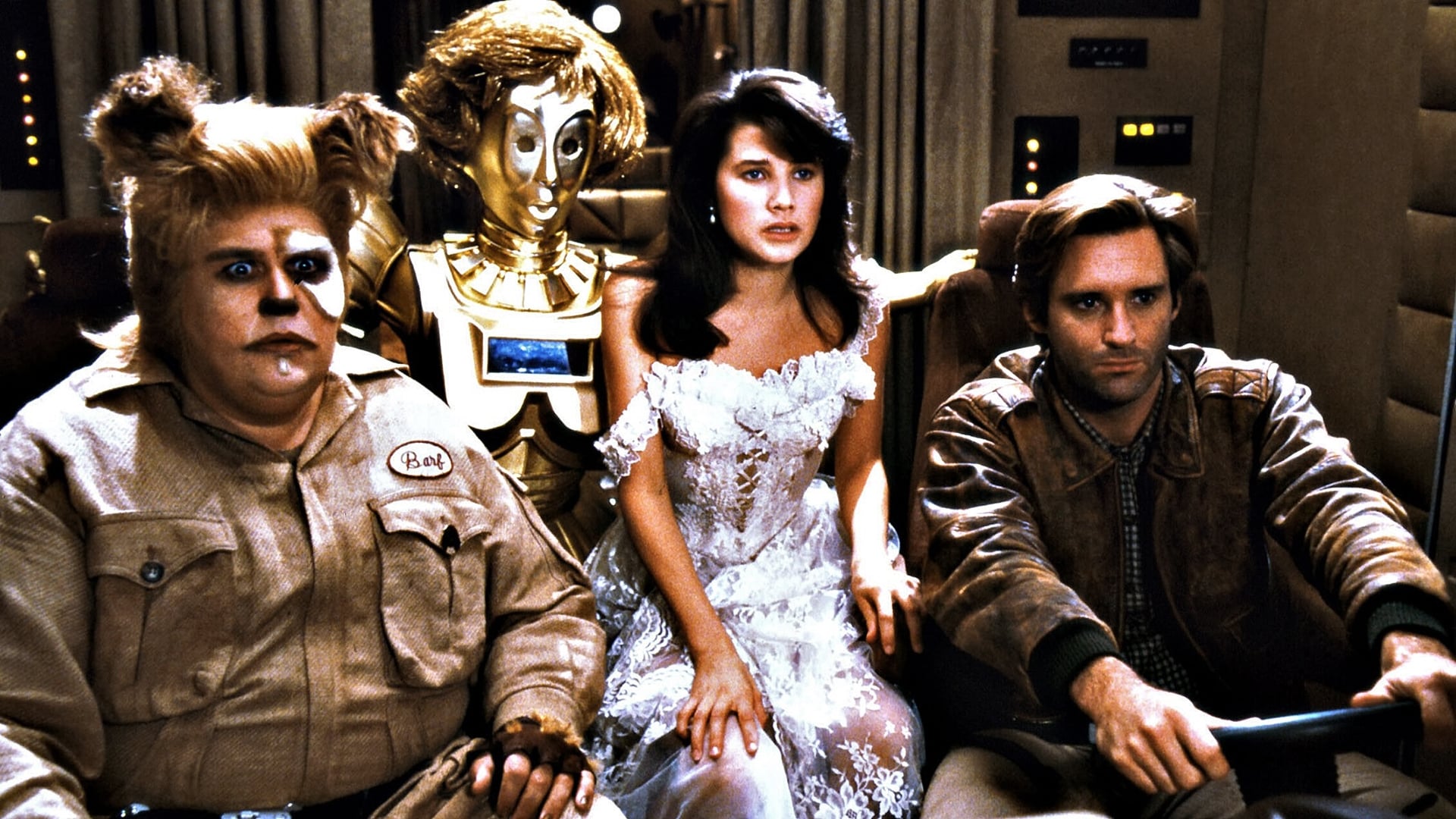
With Spaceballs, Mel Brooks proved that a legendary filmmaker can craft a film that is both incredibly derivative of his other works and makes a giant impact on pop culture on its own. It’s full of recycled gags from his other films, but it’s still a wonderfully fun and pulpy send-up of big-budget sci-fi films over the years. This is a quite obvious send-up of Star Wars but Star Trek, Alien, and Planet of the Apes cannot escape the long satirical arm of Brooks and Spaceballs. Much of the humor is getting dumber and sillier compared to some of the more biting satirical approaches of such films as Blazing Saddles, but Spaceballs is still tons of fun. It’s endlessly watchable and quotable, which is why this has become one of the most beloved comedies of the 1980s.
The cast certainly goes a long way in making this comedy work, and selling some of the sillier gags and jokes along the way. Rick Moranis is the true comedic genius of this film as Dark Helmet (Darth Vader…you get it?). He feels like a chihuahua constantly trying to intimidate with his big scary helmet, despite being tiny and weak. The innuendoes around his “big helmet” just hit in a certain way in a film that is generally one that can be enjoyed by kids as well. John Candy was one of the most charming performers of his generation, and he is endlessly lovable as Barf the Mog (he is his own best friend and the rest of ours too). Brooks plays the Emperor-type character of President Skroob as well as the all-powerful (but just plain) Yogurt. The Spaceballs merchandising gag is sold perfectly by Brooks, and is one of the most interesting commentaries in the whole film. There are other fun characters, from Bill Pullman’s Lone Starr (who is totally not Han Solo dressed as Indiana Jones) and Daphne Zuniga’s Druish Princess Vespa (but she doesn’t look Druish). You try not laughing at Colonel Sandurz and Pizza the Hutt. Some of the gags might not be as fresh, but we certainly have been pining for Spaceballs 2: The Search for More Money. Brooks always knew how to stick it to the business, and Spaceballs is one of the most effective examples.
Also see: Silent Movie, Robin Hood: Men in Tights, Life Stinks

 Knock on Wood
Leave a comment