
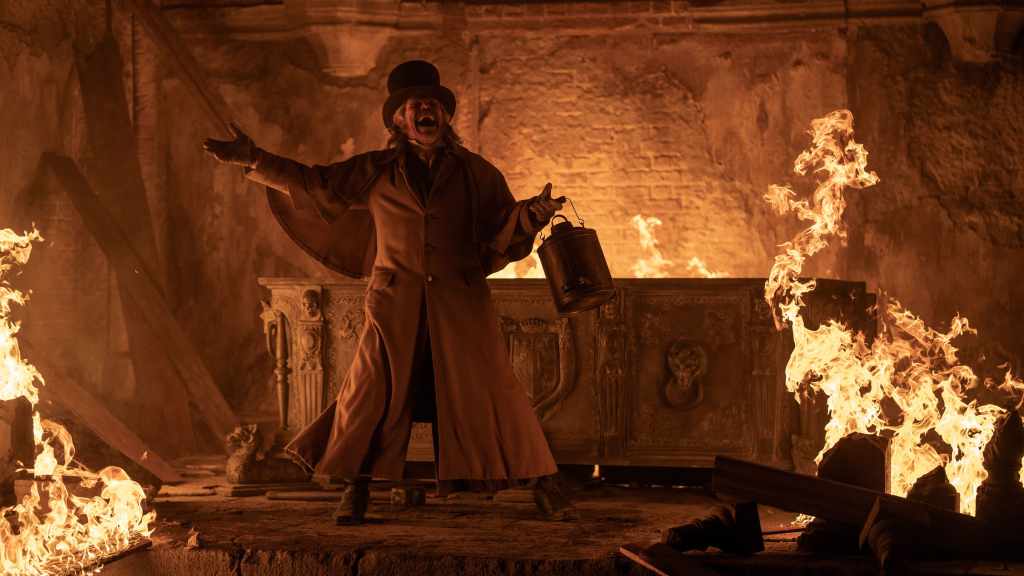
As far as I’m concerned, no director has better control over their vision than Robert Eggers. He specializes in fantastical period pieces, imbuing a (mostly) historically accurate recreation of the past with the odd, the strange, and the supernatural. It’s what’s made him one of the most interesting voices to emerge in the 21st century, and his ever-curious brain has yet to produce something I haven’t found endlessly compelling.
Enter Nosferatu – Eggers’ decade-in-the-making passion project, a remake of F. W. Murnau’s seminal silent classic, finally able to become a reality after Eggers wrapped The Northman. If anyone can translate Murnau’s effective (but narratively simplistic) vampire tale into a terrifying gothic nightmare, it’s the director of The Witch and The Lighthouse. Rarely have I been this excited for a horror experience.
Eggers’ Nosferatu is a richly complete version of Murnau’s original tale, rounding out character and embellishing motivation and terror in a way that would have been far more difficult in the silent era. Eggers leans hard into the dread, making full use of flickering natural light and empty corners to emphasize the loneliness and isolation felt by our protagonist, Ellen Hutter (Lily-Rose Depp) after her husband Thomas (Nicholas Hoult) embarks on a journey to complete a real estate contract in Transylvania. Ellen becomes plagued with visions and seizures, as a dark presence grows closer to the void in her heart.
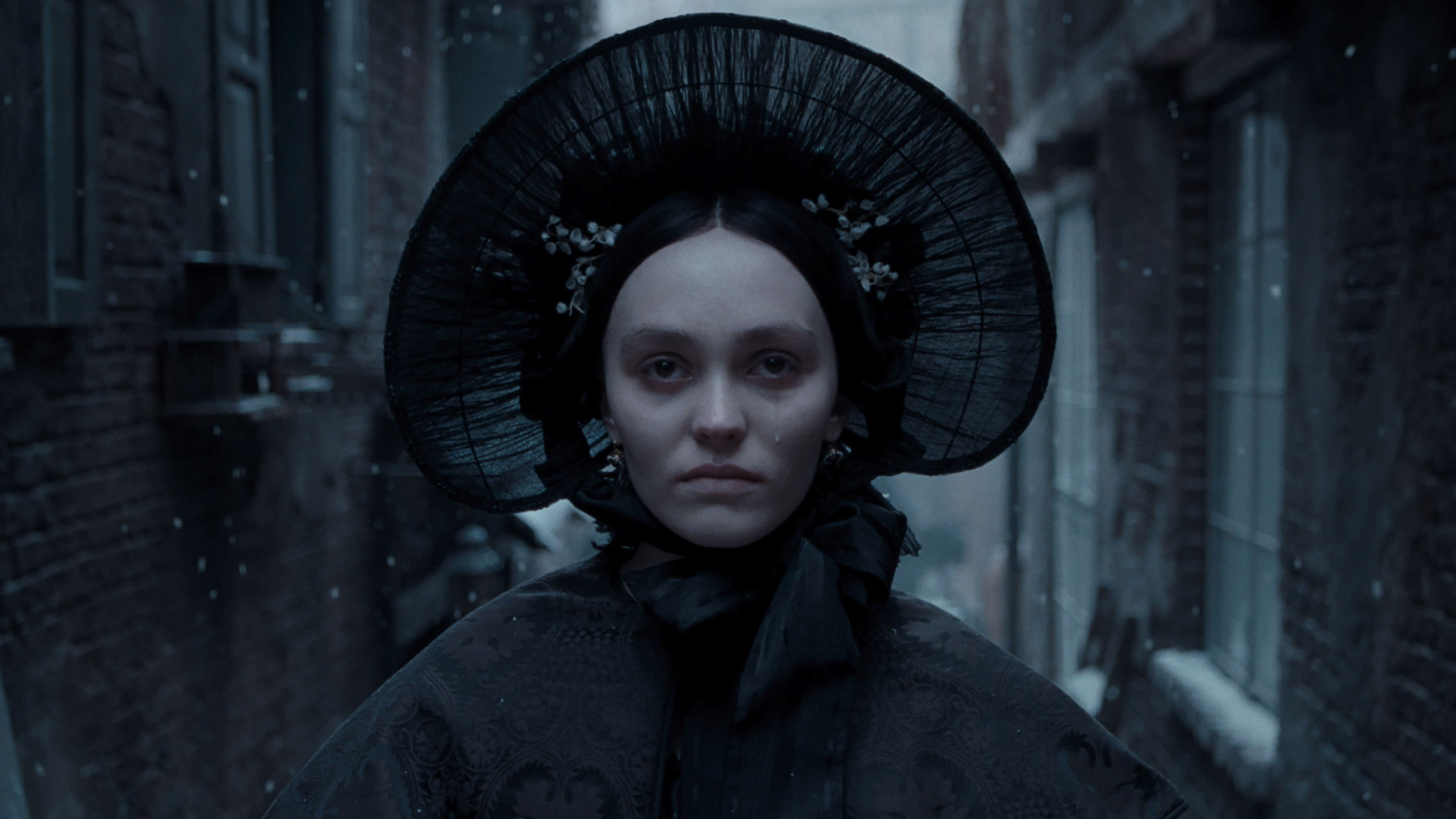
Even through this fantastical lens, the passion for bringing the rich historical setting shines through. Eggers brings us through the dirty streets of the German city Wisborg, across the steep peaks of the Carpathians, and into an eerily quiet Romani village, all while preserving the carefully constructed atmosphere that continues to escalate with tension until your heart is beating faster than you can keep up with.
The film continues Eggers’ penchant for slow-building pressure, expertly utilizing tight zooms, jump scares, and long, unyielding takes to soak its audience in pure, unfiltered fear. It revolves around a dangerous obsession, using that fear to fuel the rapidly deteriorating psyches of nearly every character. Depp is incredibly impressive, playing Ellen as both a vulnerable, human figure, and simultaneously one who is tortured by visions of evil and sin. Hoult plays Thomas Hutter as a kind and sincere man who tends to have rotten luck, but relies on an iron will to survive – similar to the character he played in the all-too-underseen Juror #2. Emma Corrin and Aaron Taylor-Johnson co-star as Anna and Friedrich Harding, friends of the Hutters who take Ellen in after Thomas leaves. The roles are largely thankless, but both are stellar.

My two favorite performances come from masters of the horror genre, two old pros with impressive pedigrees to boot. Willem Dafoe (who has worked with Eggers twice before) plays Professor Albin Eberhart Von Franz, a disgraced scientist who specializes in the occult. Dafoe plays into stereotype with this crazed Van Helsing-type character, but it works because of his effortless gravitas and wholehearted commitment. (Fun fact – Dafoe played Max Schreck, the actor who played the original Nosferatu, in a film called Shadow of the Vampire, a pseudo making-of which posited that the actor was an actual vampire) My Most Valuable Player, however, goes to the unrecognizable Bill Skarsgård, who casts a long shadow as the towering, sinister Count Orlok. After having played Pennywise and the Crow, Skarsgård entirely transforms in both stature and voice to play the central vampire, who is largely kept in shadow until we’re ready to behold his true majesty. Skarsgård plays Orlok as an immortal evil, but imbues him with a careful dose of humanity. He’s expanded from a simple creature of the night to a wily beast with calculated wants, needs, and instincts.
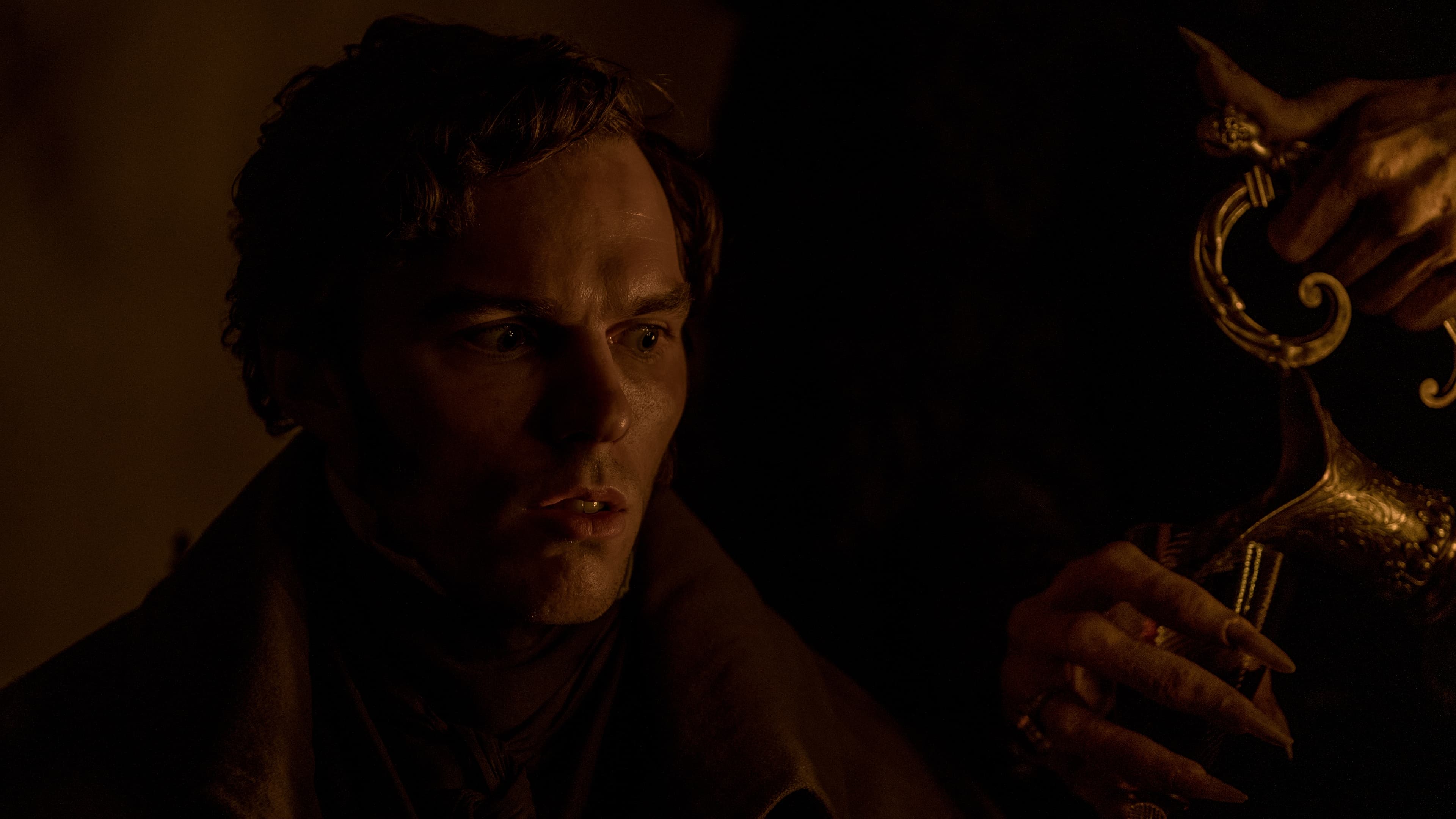
Skarsgård is one of many reasons why Robert Eggers’ Nosferatu has stuck with me in the week since I’ve seen it. It’s an intoxicating work of pure passion that immerses you in its sullen world of monsters and magic. Even beneath its hushed, haunting surface, it engages with a fascinating spectrum of belief, putting it into an intriguing conflict with spirituality and the virtues of faith. Eggers’ film is a brand-new symphony of horror, and one that will undoubtedly soon take its place amongst the titans of the genre.
Nosferatu opens in theaters on December 25.

 Knock on Wood
Leave a comment