

Welcome to class! My full-time job is working at a university, and I teach as well. One of my dreams has always been to teach a film class. Taking students through the world of cinema and helping them learn about the art form that I am so passionate about would be an amazing experience. But alas…I teach math. This series, “Lessons from the Wasteland,” is my opportunity to offer readers a curated watchlist to learn through doing (…watching movies). Each film on this list will highlight a filmmaker, sub-genre, filmmaking technique, or significant topic in order to broaden your cinematic horizons. For this month we have…
Montage
Citizen Kane

There are many things a montage can do to further a narrative or progress a character arc. The passage of time is a challenging thing to represent on film, especially because it can feel on-the-nose and forced, depending on the situation. We can see a marriage changing and growing over time…or we can watch it deteriorate. Orson Welles knew exactly what he wanted to accomplish with such a unique and revolutionary idea in Citizen Kane, which is filled to the brim with dynamic choices that have become fixtures of modern filmmaking.
The montage is so effectively used by Welles at a key point in Charles Foster Kane’s life: the corrosion of his first marriage. What seemed like a connection for life soon becomes an afterthought in Kane’s rising fame and control of the media realm. Welles leverages the breakfast table (something that is meant to represent the collection of a family for special moments like a meal) for his cinematic magic trick. A young and fresh marriage enters into this sequence and a distant hollow shell of one is revealed with some dynamic camera choices. Great editing creates a mirrored reflection of Kane and his wife as the camera takes turns looking at each of them. The conversation slowly morphs in tone and passion. The conversation shown to be light and cheerful soon becomes curt and dissociated. The evolution from strong and engaged to distant and disengaged is clear and effective. The aging over the course of the montage is clear, thanks to strong make-up and hair-styling work as well as the costuming that reflects their increase in wealth. The most brilliant aspect of the sequence is when the final shot pans over to reveal a much longer and distant table now showing that this relationship has become more physically distant (reflecting the metaphorical distance as well). Welles was a true genius behind the camera and he delivered one of the greatest montages of all time in his first film…wild.
Strangers on a Train
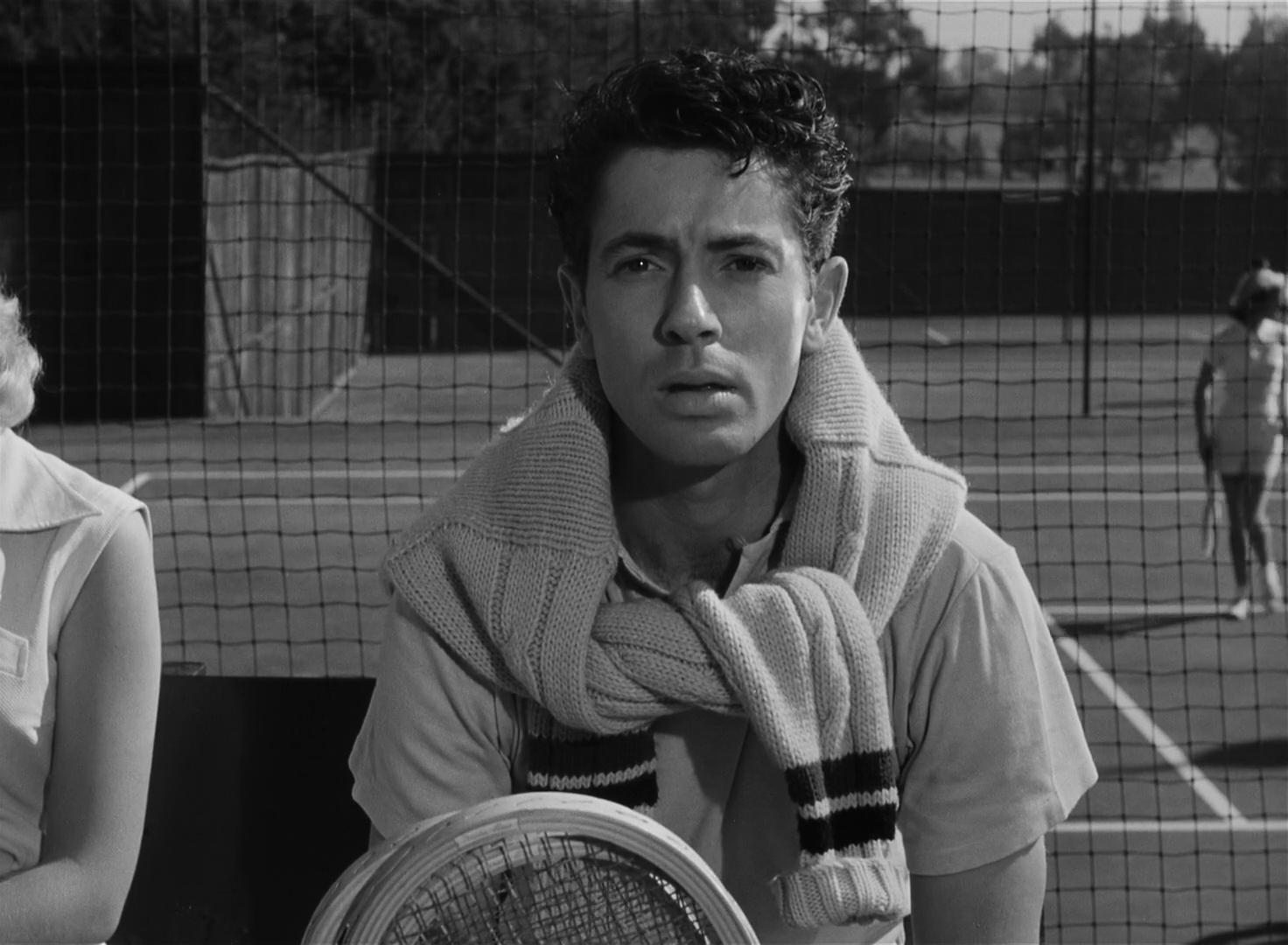
What else can montage accomplish? We can see parallel events occurring which is ripe for some serious tension and suspense building. Who is the perfect director to explore new ways of creating suspense? Alfred Hitchcock, of course. One of his films, Strangers on a Train, allows space for one of the best cross-cutting montages you are going to find. If you are going to go back and forth between two actions, a necessity of time needs to be present. The clock is what gives credence to the montage and the heightening of tension and suspense. At the point of this montage, our two main characters, Farley Granger’s Guy and Robert Walker’s Bruno, are far from friends or even allies. Bruno has every intention of planting Guy’s lighter so he can be framed for the murder of Guy’s own wife. Bruno hops a train to Guy’s hometown, but Guy is unfortunately delayed by a tennis match. Bruno’s journey and Guy’s match are the cross-cut events that will be the foundation for this impressive sequence from Hitchcock. There is plenty of cross-cutting in the tennis match itself but when cut in with Bruno’s journey just heightens the tension to a fever pitch.
As the scene goes on, the cuts become more frequent. The key element that truly ties the scene together is the moment Bruno drops the lighter into a sewer grate. The increasing frustration and fear building in Bruno is excellent as Guy becomes more aggressive and tired all at once. The camerawork is great, as a hand slowly reaching for a lighter seems unremarkable, but in context, the desperate grasping from Bruno feels so poignant and impactful. But it is not just the sharp visuals from Hitchcock and cinematographer, Robert Burks, or the strong performances from Granger and Walker.
The music becomes almost the whole anchor for the sequence. Dimitri Tiomkin was able to craft a score that is perfect for such a sequence of cross-cutting tension. Each of these elements is synthesized to create an engaging and impactful sequence that fits perfectly in this thriller. We know what is going on and we know the consequences of Bruno getting to that island first. Simple shots of a hand reaching for a lighter are intense and frightening in the hands of the “Master of Suspense.”
The Godfather
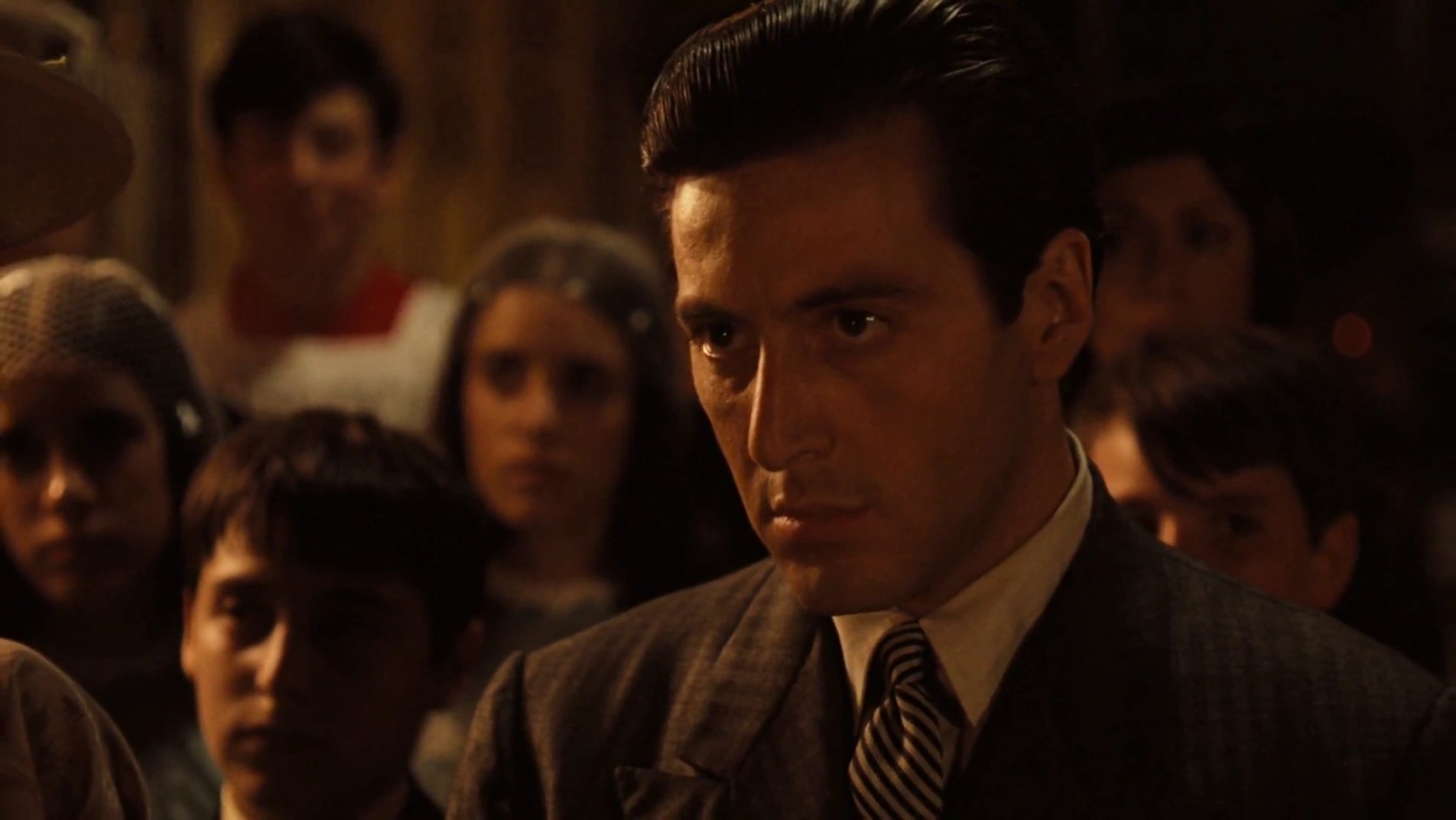
There is a deeper meaning that can be portrayed through the layers of context and action happening through the art of the montage. Francis Ford Coppola crafted one of the greatest films of all time in the form of The Godfather. This mafia epic focuses on the rise of Michael Corleone in an evolving world of organized crime. Michael’s journey begins as a war hero and an upstanding member of society, but when he is pulled into his family business after the near-death of his father, Don Vito Corleone, we witness his descent into power and influence, the motivation for which might have been there all along underneath the surface. But the key moment that truly shows Michael’s full descent into evil and crime is the climactic baptism sequence. The transformation of Michael into the most powerful man in the underworld will only be complete once he rids the world of all of his enemies. When is the perfect time for such an act to happen? During the baptism of his sister’s child while he is given the title of Godfather. This montage is the perfect reflection of Michael’s evil deeds and the false front that he puts on as a God-fearing Italian-American in the Roman Catholic Church. As the priest baptizes the child, Coppola shows Michael’s men getting into position for each of the hits. This slow burn is matched perfectly by the music of Nino Rota. The camera cuts between this innocent child, the cold and hardened face of Michael, and the men who are about to kill each of Michael’s enemies. There is an impressive moment that congeals perfectly as the priest asks “Do you renounce Satan?”, the music reaches a fever pitch with intense organ work, and the bullets begin to fly.
The striking contrast between an innocent child and the bloody deaths of mafiosos and casino tycoons. The harrowing shots of each person lying dead covered in blood hit so hard. The music is pregnant with emotion, and it all points to the evil and coldness that rests inside of Michael Corleone. This sequence conveys the integral themes of this masterpiece of a film in such an impactful, memorable, and iconic montage. This is incredible cinema, and one of the finest examples of this storytelling device.
Rocky IV
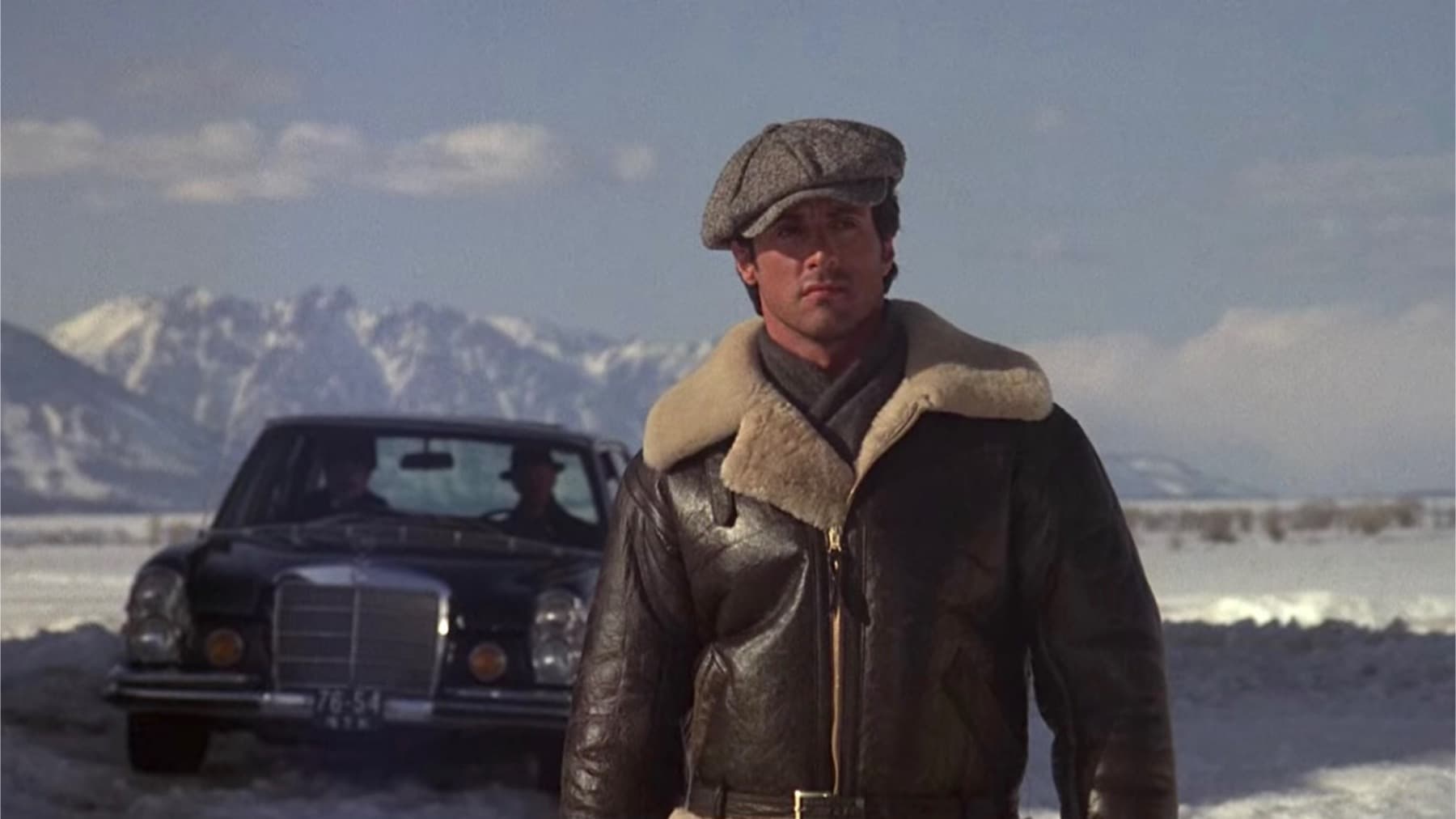
What is the most famous and beloved form of montage? Training montages. It’s such a beloved staple that Trey Parker and Matt Stone lampooned the whole idea of montages in their hilarious puppet-focused action comedy Team America: World Police. But there is one franchise that has made a true art out of the sports training montage…Rocky. Both versions of “Gonna Fly Now” are so iconic, and capture the energy of a truly great montage. But the most iconic film when it comes to sports montages has to be Rocky IV. Why? Almost a third of the whole entire film simply consists of montages.
There are three specific examples that need to be discussed. The first montage is one of heartbreak, with a moody ’80s feeling. When Rocky loses his best friend, Apollo Creed, in a fight with a monstrous Russian boxer, there is only one thing he can do. Rocky rides off into the night and broods to an impressive montage of memories and haunting guilt for the death of Apollo. Robert Tepper’s “No Easy Way Out” is bombastic, ’80s, and full of brooding emotion. It is the perfect song to capture the guilt and rage that boils up inside of Rocky while Stallone sells every moment perfectly.
But this is certainly outdone by the training montage to end all training montages. Rocky VS Drago. The montage is a great cross-cutting of Rocky training out in the Russian wilderness and inside a secluded barn. In stark contrast, Drago is training in the most pristine and well-stocked training facility in all of Russia. This sequence captures the huge character differences between Rocky (a hardworking and intense competitor) and Drago (a machine created in a lab with steroids and state-of-the-art equipment). But the amazing sequence only hits as hard as it does because of John Cafferty’s “Hearts On Fire,” a huge ’80s power ballad and just nails the energy of the scene perfectly including the triumphant finale of Rocky climbing a literal mountain and screaming Drago’s name from the mountaintop.
Finally, you have the intense and well crafted boxing fight montage as the rounds go flying by during the climactic battle between Rocky and Drago. “War” is a fantastic piece of music from Vince DiCola, and matches the intensity and majesty of this epic battle in the ring. Rocky and Drago do indeed go to war. With each of these three montages packed in with plenty of other music video-type moments, Rocky IV just might be one of the most intense and pumped-up sports flicks ever created.
Up
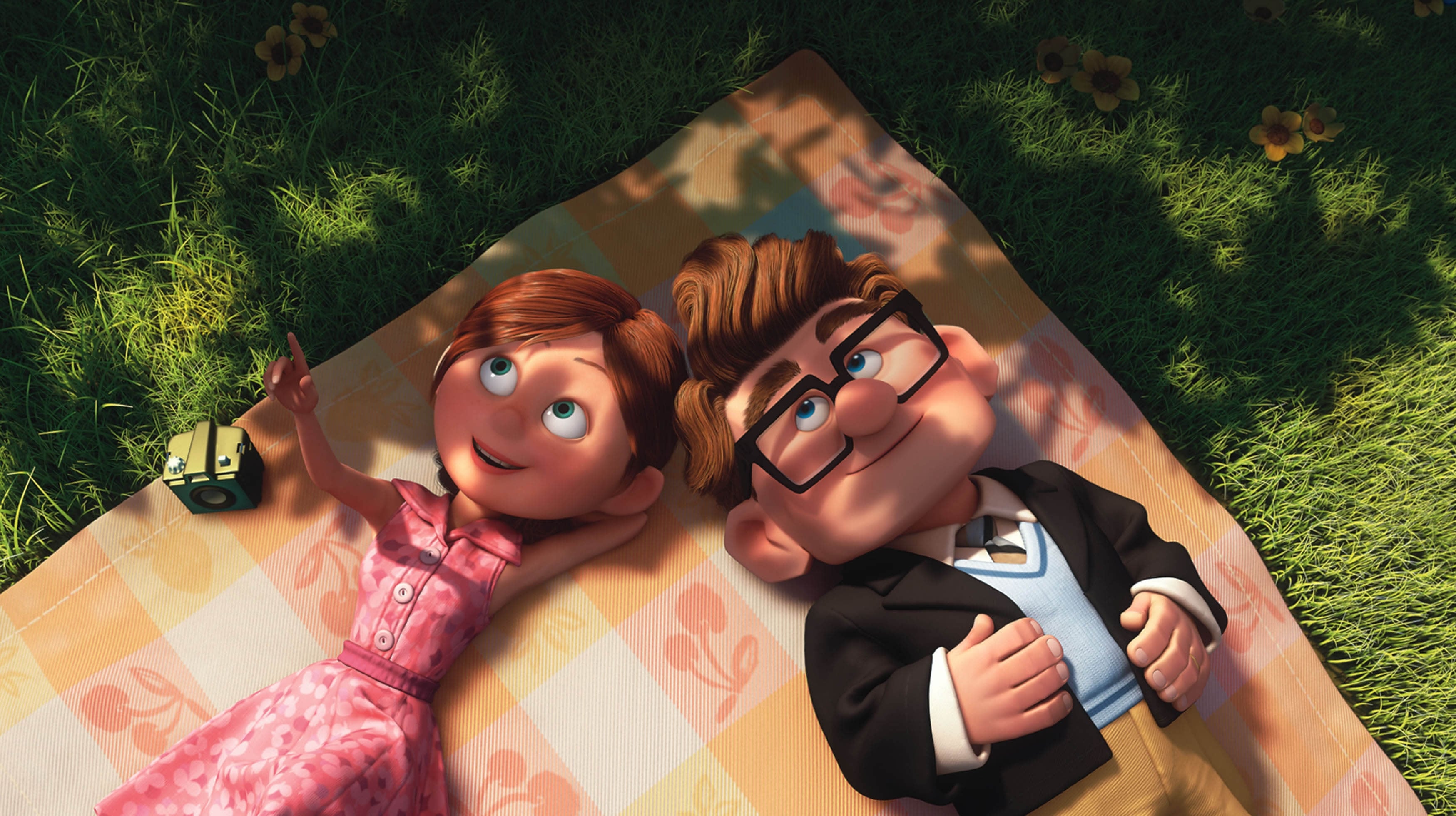
What types of emotions can a montage convey? You can have joy and excitement like a great training montage. You can feel fear and suspense as things put you on edge. But you certainly can be taken on a deeply emotional ride that will leave you in tears. That is exactly what Pete Doctor and Bob Peterson are able to capture in the opening sequence of Pixar’s Up.
In the film’s opening, we witness the first meeting between Carl and Ellie which is charming and fun. They are very different kids, but they seem to have the same hope of adventure which bonds them for life. Then we witness one of the most charming, well-edited, and moving montages ever put to film. We witness Carl and Ellie getting older together. They get their first jobs. Ellie helps Carl with his ties. They save for their big adventure to South America, only to be forced to spend it on other things. Life happens, and we see it happen to both Carl and Ellie throughout their marriage.
No words are necessary to sell the moving and loving relationship between the two of them. The harrowing moment when we see Ellie get pregnant and lose that pregnancy is just heartbreaking. The way this is revealed with visual storytelling is just immaculate. Not only is the montage perfectly executed, but the way that Doctor and Peterson are able to capture so much with only visuals is beautiful. This montage is full of joy and love, because Carl and Ellie’s marriage was. This montage is the manifestation of everything that went into their life together. But unfortunately, that miscarriage is not the only twist, as Ellie suddenly collapses going up their favorite hill and passes away. There are so many tears to be shed in such a compact little story of a beautiful marriage that is not shy in showing the dark turns that life has in store for us.
The perfect cap on this superbly executed montage is the music by Michael Giacchino. The vibe is charming and tender in the way the music perfectly accentuates the story on screen. The rest of the film will never live up to the opening, but that’s okay – it remains one of the greatest opening sequences in the history of film.
Also see: Footloose, Karate Kid, Batman Begins, Ghostbusters

 Knock on Wood
Leave a comment