

Welcome to class! My full-time job is working at a university, and I teach as well. One of my dreams has always been to teach a film class. Taking students through the world of cinema and helping them learn about the art form that I am so passionate about would be an amazing experience. But alas…I teach math. This series, “Lessons from the Wasteland,” is my opportunity to offer readers a curated watchlist to learn through doing (…watching movies). Each film on this list will highlight a filmmaker, sub-genre, filmmaking technique, or significant topic in order to broaden your cinematic horizons. For this month we have…
Montage
Bad Day at Black Rock (1955)
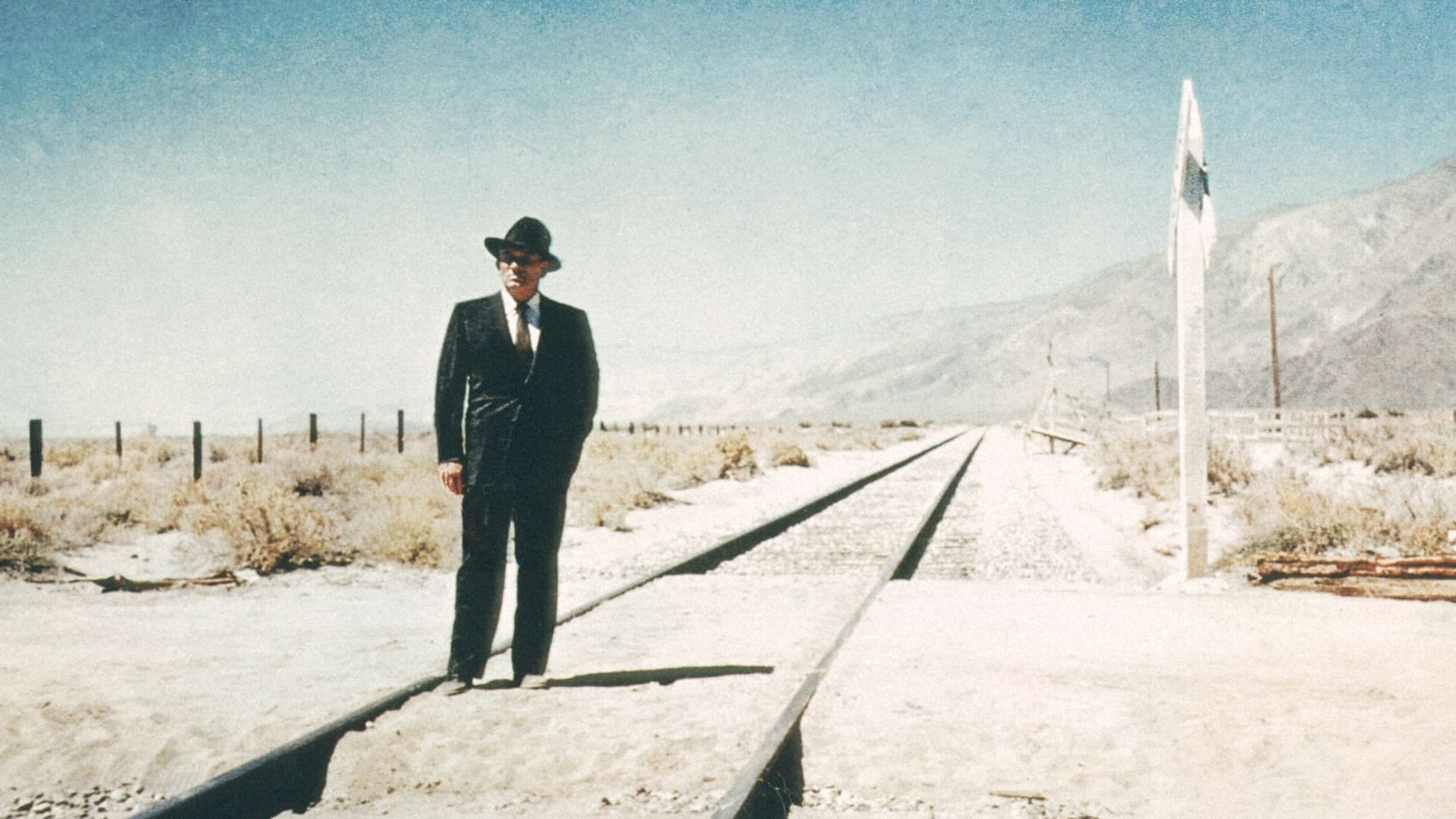
The neo-Western subgenre is all about the time and setting. Traditional Westerns are set in the world of the Old West, when the frontier was still wild. But a neo-Western can take place in a more modern time that still highlights the lawless and adventurous elements of a Western. Let’s take a look at John Sturges’ Bad Day at Black Rock, a classic example of a Western feel in a different time. This lean mystery/thriller takes place in a deserted place far away from law and order. What makes it unique is the period in which it takes place, which is a significant element of the narrative. This post-World War II film navigates the racial tensions that existed in our country after the horrible attack at Pearl Harbor. Anti-Japanese sentiment is at the heart of this small-town secret that is unearthed by a mysterious stranger who wanders into town (very Western of it). Spencer Tracy is a screen legend and brings plenty of presence as the central figure.
The film takes its time slowly unraveling the purpose of the visit by Tracy’s Macreedy, but he certainly embodied the tough, capable, and honorable protagonist of Old Hollywood Westerns. This film came out in the mid-50s as well, when the likes of John Ford were still delivering incredible westerns like The Searchers, but this has a fresh new feel that brings a new perspective to the Western. Tracy is joined by quite a bunch of character actors who fit their roles well. Robert Ryan is a dangerous and powerful leader of this town who gives off corrupt lawman vibes like many Westerns. He has his own crew of lackeys who make an impact, from Lee Marvin and Ernest Borgnine. Our protagonist has his own truths connected to the appreciation of people from other cultures, while the antagonist’s secret is centered around the representation of their hate. This is an interesting film with compelling things to say while delivering thrilling noir-ish elements infused with Western structure and motifs.
Dirty Harry (1971)

When you take the themes and motifs of westerns and put them into a modern and urban context, you can create something really special. When you take a visceral and edgier filmmaker like Don Siegel and pair him up with Clint Eastwood, the rising star of westerns, you get a thrilling, intense, and hard-nosed crime thriller like Dirty Harry. Eastwood channels all of the mystery, intensity, and steely toughness of his “Man With No Name” from Leone’s Dollars Trilogy as Harry Callahan, a reluctant hero who must take on all the cases nobody wants, including that of a serial killer where the system is getting in the way. This outlaw lawman tale is something you would expect to happen in an Old West town, and that is what makes this such a compelling neo-Western concept.
Eastwood has portrayed many iconic characters in his career, and Harry Callahan is certainly towards the top. Harry is both flawed and compelling – truly a ’70s protagonist in the most effective way. This is the type of man who will not pull punches and is willing to bend the rules in order to bring criminals in. The antagonist, the Scorpio Killer, is a disturbing and disgusting human being with a slimy personality. If you have a rugged and flawed ’70s anti-hero, then you need a purely despicable figure to be their antagonist. Harry is a gunslinger (á la the spaghetti Western hero) packing one of the most iconic firearms in the history of cinema. His steely demeanor mixed with great one-liners makes for such an iconic protagonist.
What pulls this film together is the effort of Siegel as the director. He brings an aggressive and in-your-face tone that is reminiscent of some spaghetti Westerns and Peckinpah’s work in The Wild Bunch. This is certainly the most out-of-the-box example in this collection, but it captures all the spirit of Westerns (even better than some!).
Desperado (1995)
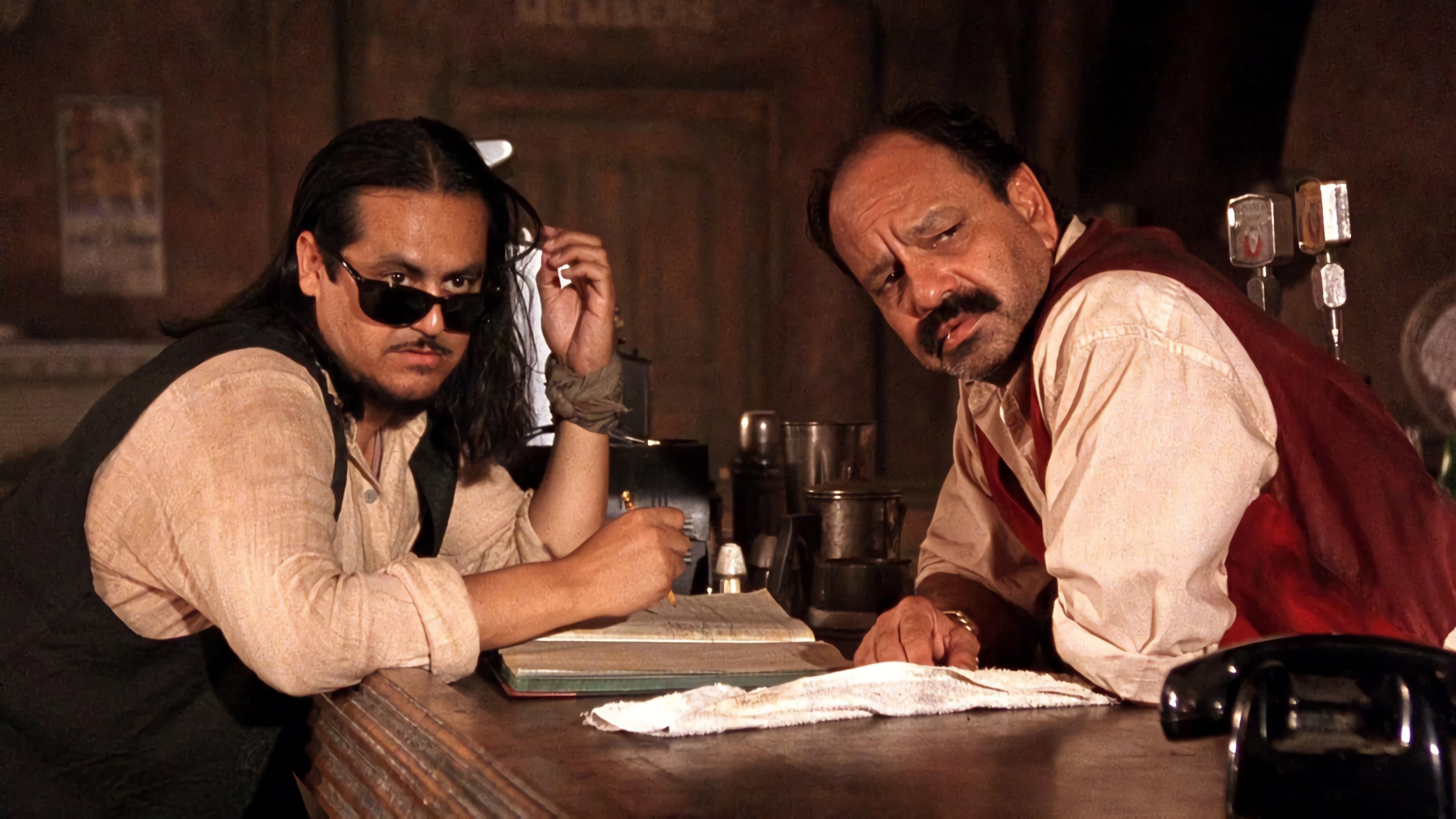
How else can you get a fresh perspective in an older genre like the Western? Place it in a different culture! A filmmaker like Robert Rodriguez is the sort of creative destined to make Westerns. With the release of his first film, El Mariachi, he showed he could capture the Western feel in a modern Mexican with barely any budget. Desperado is the promise of that concept if Rodriquez was given a more reasonable budget.
Set in ’90s Mexico, it certainly fits the bill for a neo-Western. The setting is fitting for a Western, as many of the most iconic western took place in Arizona, New Mexico, and Texas, fittingly just over the border from Mexico. The desert gives it that classic Western feel, but what keeps this outing so fresh is the Mexican culture (which is seldom put at the forefront of classic Westerns). Rodriguez has a big bold vibe for his films, and he captures some elements of spaghetti Westerns that give them their distinct feels. Rodriguez brings in plenty of elements that will become key pieces in his film while still nailing the Western conventions in a modern Mexican context.
Antonio Banderas makes for an incredible and iconic Western protagonist, brooding and intense in his black outfit. What makes him so unique is his sexual magnetism, his musicality (that opening performance is incredible), and his charisma. He is quite the skilled gunslinger as well, as he goes toe-to-toe with some memorable baddies including Danny Trejo’s Navajas. Joaquim de Almeida is a classic Western-style villain as this drug kingpin who rules this border town. Throw in a sexy and alluring Salma Hayek and you have the fiery romance at the core of the film.
There are plenty of bullets flying, explosions, and sharp bits of dialogue to offer up such a cool neo-Western experience. The action is thrilling with plenty of unique personality, and Rodriguez sprinkles in so many familiar faces from Cheech Marin to Steve Buscemi to even Quentin Tarantino. Desperado is quite the unique Western, and it captures the spirit of what other cultures can do with the Western genre.
No Country for Old Men (2007)
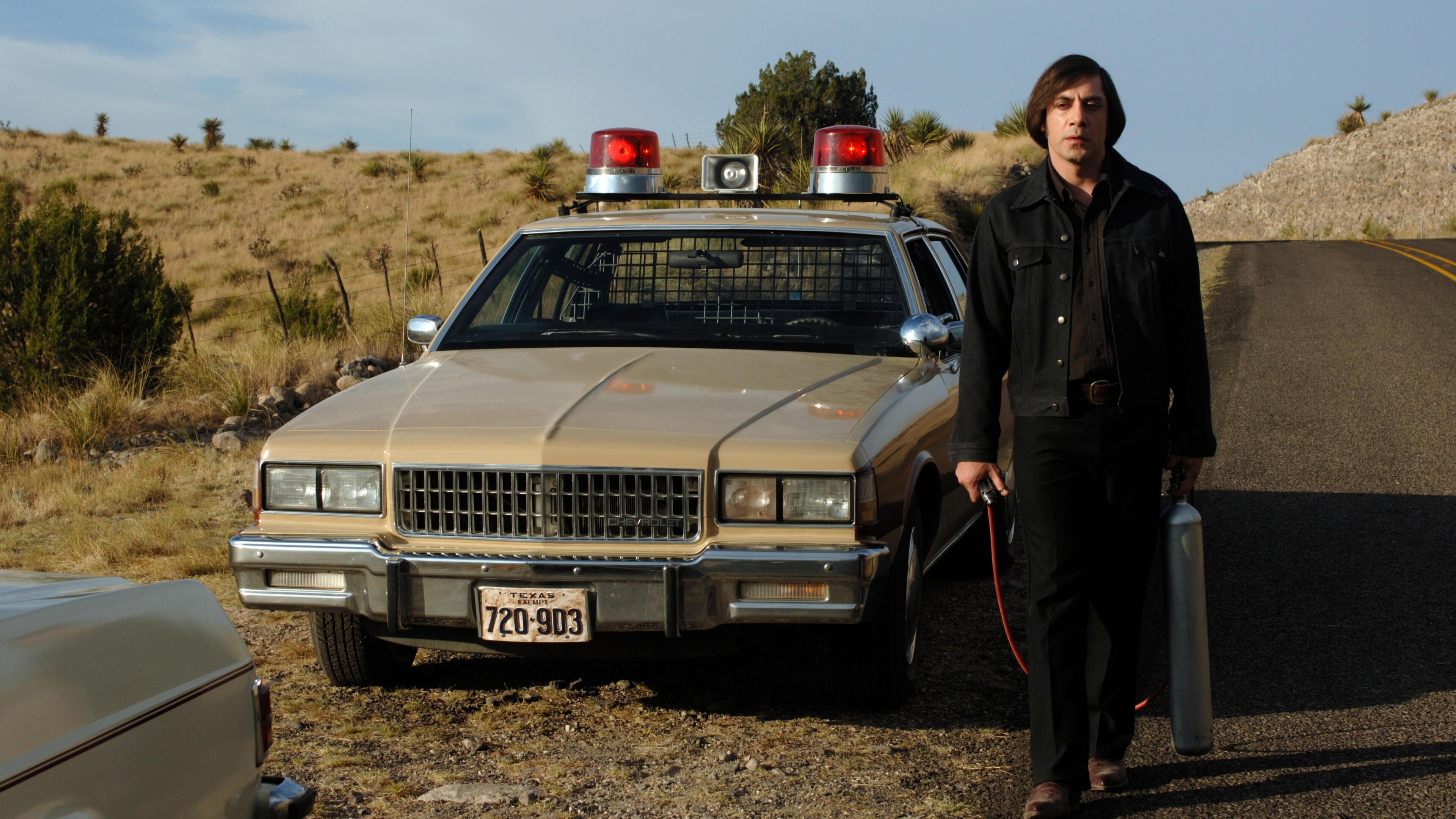
I am making a definite claim here, but it is hard to argue that No Country for Old Men is not the greatest neo-Western of all time. This film started as a novel by American icon Cormac McCarthy, who was a beautiful and harrowing voice in the realm of American literature. His stories are draped in Western settings, but also capture the nihilism and loss of faith in modern society. No Country for Old Men is the crown jewel of his catalog, and the Coen Brothers were the perfect filmmakers to tackle this novel. They transferred dialogue word-for-word from the novel, as it was already perfect…so why mess with it? You can feel how well this story fits in the Coens’ voice with the shocking violence, plenty of fantastic supporting characters, and some bleak-as-hell dark comedy. This film is shockingly funny (in the unexpected Coens way). But this film hits on all the iconic trappings of what makes a great Western.
The lawman vs. the lawlessness is the perfect thematic bedrock for a Western. This time, though, there is a lack of hope in the face of the growing darkness of society. Sheriff Ed Tom Bell is one of the best lawmen you will find in any Western (period) and Tommy Lee Jones is an incredibly satisfying piece of casting. His dry wit cuts through in so many scenes while his iconic voice captures the richness of the opening monologue as well as the memorable final monologue that ends the film in such a bold and assured way. But the other two pieces of this film’s trio deliver as well. Josh Brolin is a rough and rugged Western rogue who is charming in his own way, a complicated mix of tough and empathetic, and holds his own (until the Coens decide to defy all storytelling conventions and rip the carpet out from under the audience). Javier Bardem crafted one of cinema’s greatest antagonists in Anton Chigurh. A completely callous and psychopathic hitman is on the trail of Brolin’s Llewelyn Moss. His penchant for chance with his coin toss is unique as well as his cattle-pressured air gun. He is the perfect mix of the “man in black” Western archetype and a manifestation of Death.
The Coens leverage impressive visual storytelling and great detail to capture this haunting Western thriller. Roger Deakins shows why he is one of (if not the) greatest cinematographers in film. The way he captures this West Texas landscape is striking, just as much as the perfect blocking of every single shot. The rest of this cast is incredible as well, with Woody Harrelson, Kelly Macdonald, Garret Dillahunt, Stephen Root, Beth Grant, and plenty of perfectly placed character actors in minor roles. This is a perfect Western, a perfect neo-Western, a perfectly executed story, and a pure expression of a pair of auteur filmmakers.
Hell or High Water (2016)

Taylor Sheridan is the new king of the modern Western genre. It all began with screenplays like Sicario, but now Sheridan is one of the biggest brands in media, his finger on the pulse of middle-aged Americans and the heartland. His perspective and approach to storytelling speak to a whole group of people who don’t get a ton of focus in modern film and television. He is passionate about the Western genre, and it shows in the way he crafts different projects.
His best neo-Western story yet is certainly Hell or High Water. This was before Sheridan got behind the camera as well, so this is brought to life by talented filmmaker David Mackenzie. Hell or High Water recontextualizes the Western setting in the modern day. In another West Texas tale, like No Country for Old Men, Sheridan channels both personal threads of family while capturing the classic “folk hero” tale of sticking it to the man. This neo-Western tells the tale of two brothers, played by Chris Pine and Ben Foster, who steal money from banks to settle the mortgage on their family’s land. These outlaws are doing it all for the right reasons, and at the same time are putting to the banks who screw over everyday people. They are modern Robin Hoods who embody the classic outlaw heroes of westerns like Butch and Sundance.
Pine gives what might be his best performance as he sheds his handsome leading man persona for this more rugged and grounded hero. Foster, on the other hand, is the big energy of the group as the unhinged and violent wild card, who is the catalyst for the incredible climactic shootout (one of the best in modern cinema). He is the dangerous outlaw who is both cool and scary (just like his role in 3:10 to Yuma). On the other hand, you have the Texas Rangers on their asses. Jeff Bridges (who became a Western icon with his turn as Rooster Cogburn in True Grit) channels that same rugged approach but with plenty more edge, including some casual racism. That puts him in an awkward position with his partner of indigenous and Mexican descent (performed by Gil Birmingham in a standout turn). These two are positioned as the law, and should be the good guys, but they see the people turning on them who support the outlaws that they are chasing. Sheridan writes such a complex tale that puts the audience in such a compelling gray area.
The visuals of the film are intense and striking thanks to Mackenzie’s work as well as cinematographer Giles Nuttgens. The atmosphere comes together as well with the great work of composers Nick Cave and Warren Ellis. Hell or High Water has a great Western vibe with all the best elements of the genre, and it delivers on so many great archetypes of Western characters. The film showdown between Pine and Bridges just might be one of the most tense and perfectly executed Western endings you will find.
Also see: Once Upon a Time in Mexico, Brokeback Mountain, Wind River

 Knock on Wood
Leave a comment