

Welcome to class! My full-time job is working at a university, and I teach as well. One of my dreams has always been to teach a film class. Taking students through the world of cinema and helping them learn about the art form that I am so passionate about would be an amazing experience. But alas…I teach math. This series, “Lessons from the Wasteland,” is my opportunity to offer readers a curated watchlist to learn through doing (…watching movies). Each film on this list will highlight a filmmaker, sub-genre, filmmaking technique, or significant topic in order to broaden your cinematic horizons. For this month we have…
John Carpenter
Halloween (1978)
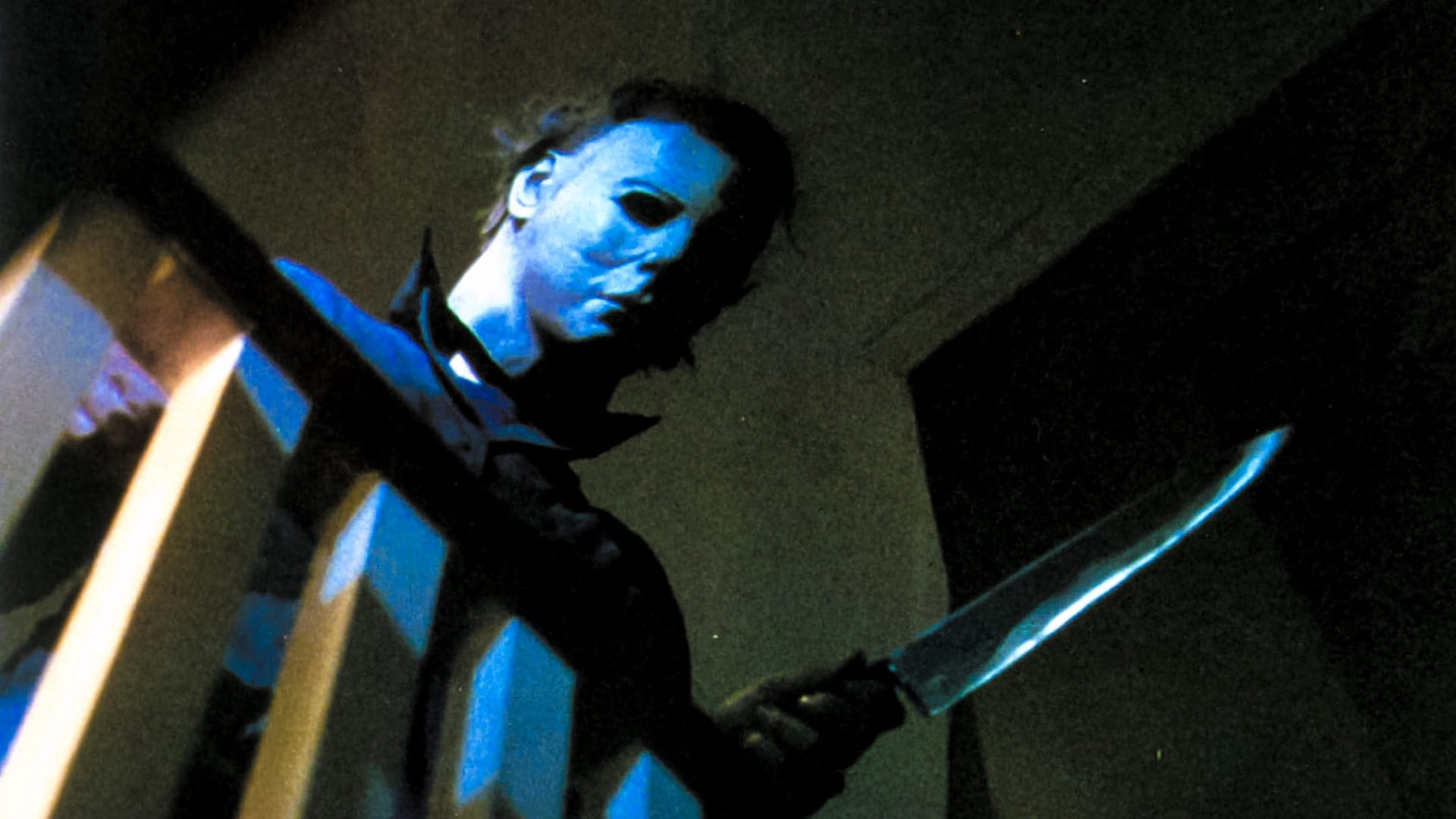
It is hard to argue that Halloween deserves the title of the definitive slasher film. Texas Chainsaw Massacre certainly came first, but Halloween changed the game, inspiring countless rip-offs (including Friday the 13th) and bringing on an onslaught of slasher flicks for decades to come. This is a wild thought, as Halloween was such a small indie venture that would go on to become one of the most profitable films of all time (making $47 million in 1978 with a budget of only $325,000).
But there is something special about what Carpenter accomplished with Halloween. It does not deliver its payoffs in blood and guts. The payoffs in this iconic film are measured in tension, suspense, and technical prowess. From the opening scene, you realize just how revolutionary this film is. Carpenter showed from his student film Captain Voyeur that he is the master of POV filmmaking. The opening sequence of a masked assailant lurking through a house and murdering a young woman reinforced that. The reveal of our murderer being a child (a young Michael Myers) is both shocking and genius. Jump into the future, and we have ourselves a perfectly executed slasher flick over the course of one Halloween night.
But even before night falls, Carpenter delivers plenty of terrifying moments in broad daylight. Hiding behind a hedge, lurking behind some laundry, and stalking a young boy outside a school…Myers embraces his physicality as the legendary Shape. Myers’ face lurking in the shadows and sitting up in the background are pieces of iconic horror imagery that will live on forever.
Carpenter’s score is one of the most iconic and impactful scores in the history of film. How many scores can say that they capture the spirit of an entire holiday? Then you have Jamie Lee Curtis, who shows so much potential in this performance as Laurie Strode and shows off her Scream Queen chops. Donald Pleasance delivers a manic and intense performance as Dr. Loomis, who is now an archetypal supporting character in films like this. The film’s shots echo the idea of Michael Myers as the evil that lurks underneath the calm and peace of a small town to perfection, and acts as one of the most iconic horror film endings of all time. Carpenter is a master of genre filmmaking, and it’s incredible how he delivered a near-perfect film with such a tiny budget.
Escape from New York
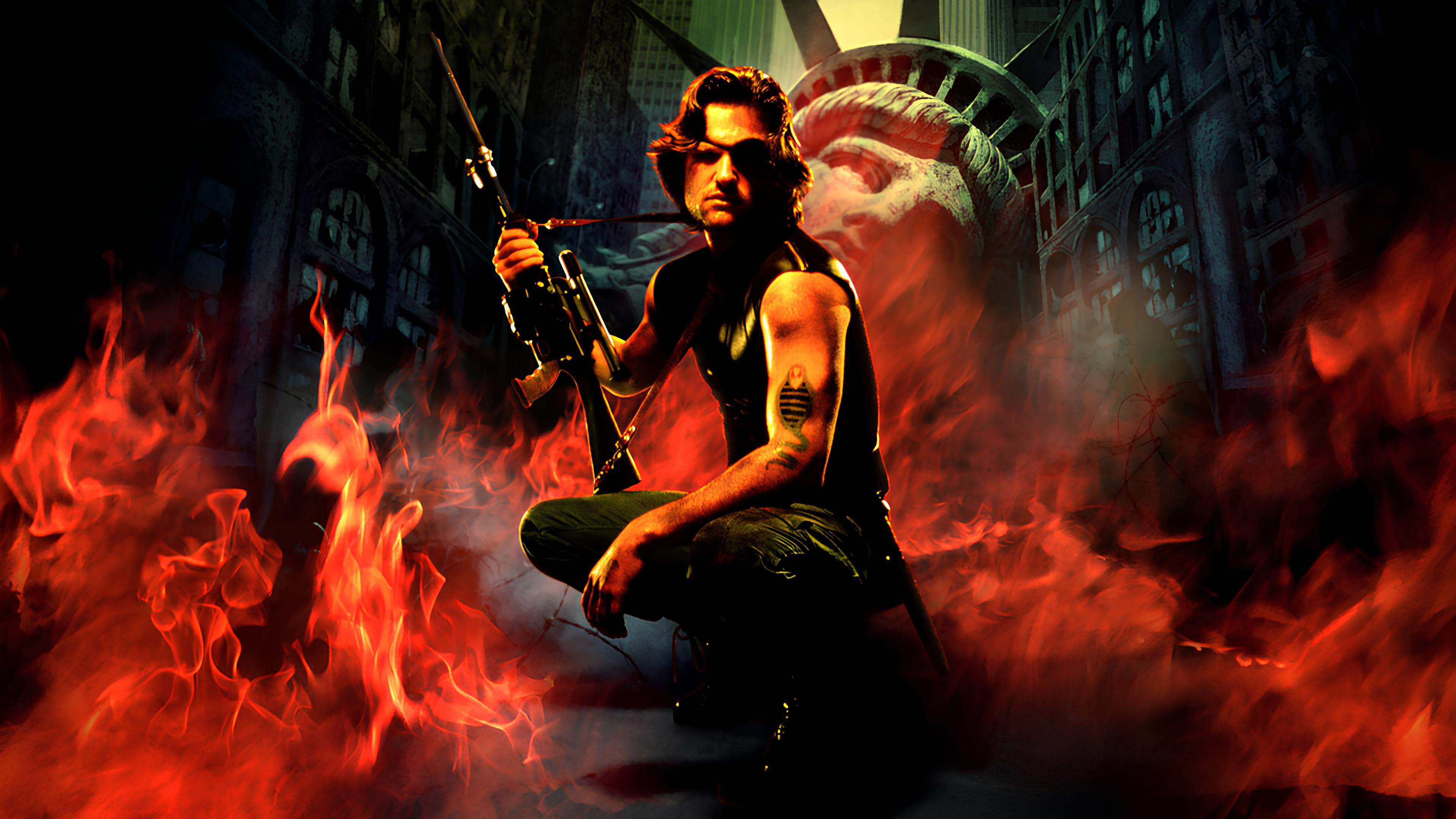
Outside of horror, Carpenter has delivered some incredibly solid action. He had an early triumph with Assault on Precinct 13, and delivered so much fun with his genre-mashing romp Big Trouble in Little China (one of his strangest films, as well). But there is one action flick that embodies Carpenter as a creator so much: Escape from New York.
There is a common element to most Carpenter films that gives them a certain bit of charm. They always seem like they have much bigger ideas than their budget can actually deliver on, but Carpenter is always able to maximize that budget with a campy B-movie feel because of it. Escape from New York certainly has that vibe. The President of the United States crashes in New York City…which is now a penal colony. Wild idea!
The production design is a perfect combination of dystopia and gritty 70s chic. The Duke of New York even rides around with a slick car that has chandeliers for headlights. The Carpenter score is rhythmic as always, and creates such a cool, atmospheric vibe. The action delivers a combination of shootouts, hand-to-hand combat, hardcore wrestling matches, and some wild car chases. Explosions, maces, machine guns…oh, my!
Carpenter understands how to maximize his lower budgets to deliver a stylish and intense cinematic experience. But there is one piece of action films that Escape from New York perfects: the action hero…but in this case, anti-hero. Kurt Russell crafts one the coolest and most dangerous action leads in film as Snake Plissken, styled out with the eye patch and a gorgeous mullet of hair along with that perfect Russell scowl. He channels a combination of hardened presence and a bit of that John Wayne swagger that he embodies so well. Snake is the perfect combination of character design, personality, performance, and all-around ability. Throw in some great character actors like Lee Van Cleef, Ernest Borgnine, Donald Pleasence, Isaac Hayes, and Harry Dean Stanton, and you got yourself a cast that is so darn fun. Escape from New York is not the most refined action flick, but Carpenter delivers as he always does.
The Thing (1982)
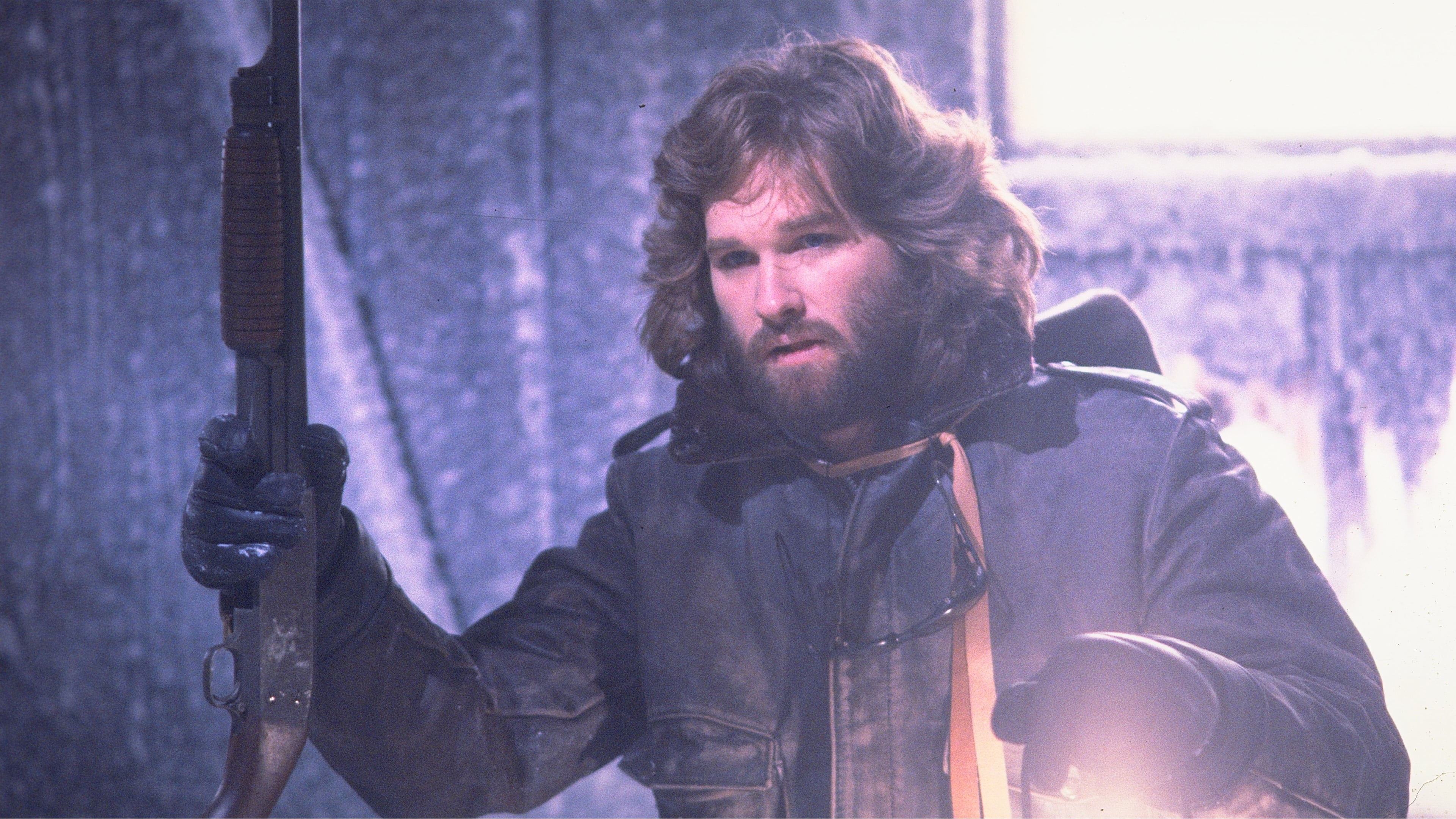
Halloween might be his most beloved film, but The Thing is absolute technical perfection and narrative excellence, rising above Carpenter’s expert B-movie execution. This is, by far, the most impressively executed film of Carpenter’s career. Taking a classic genre film like The Thing from Another World and updating it with state-of-the-art effects was a bold and genius move for Carpenter. The creature went from being an electrified creature in the original, to a shapeshifting alien, which fits perfectly into Carpenter’s plan for this film.
There is one word that exemplifies the atmosphere and goal of The Thing: paranoia. This is one of the most intense and suspenseful films…ever. There is a constant feeling of fear that engulfs not only the characters but the audience as well. We are never sure who is human or who has been replaced by this alien. Carpenter never gets enough credit for just how impressive his directing skills are, and The Thing shows them off spectacularly.
But it is the special effects that are the real star of the film. Rob Bottin nearly destroyed his health, but we benefited by getting such amazing and detailed creations. The chest-mouth. The spider-head. The abomination that is an amalgamation of all the creators until the end. The practical effects are just unmatched.
Carpenter did not need a whole cast of stars, but what he had was an excellent collection of talented character actors that sell every bit of fear, paranoia, and increasing aggression throughout the film. Kurt Russell is obviously the star of the film as the steely and resourceful MacReady (with a gorgeous beard and head of hair). He even delivers one of the best one-liners in film history (I am not even joking). You have a couple of recognizable actors like Keith David and Wilford Brimley, both of whom deliver fiery performances that leave quite the impression. There are not many more recognizable faces, but each and every one of these actors delivers their roles with commitment and authenticity. This ensemble is the final key to cracking this incredible film that will live on and be one of the key gems of Carpenter’s career.
Starman (1984)
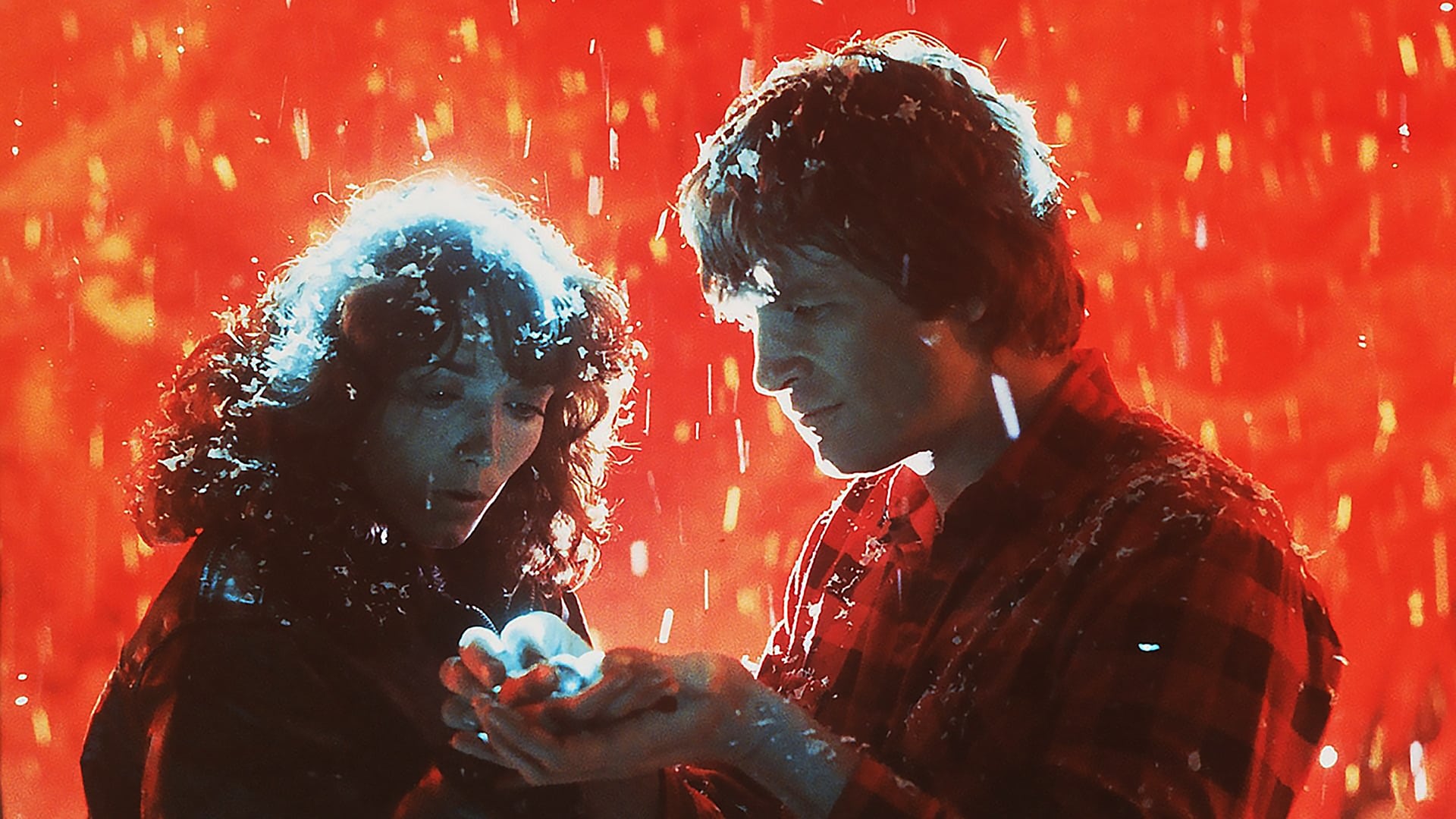
Carpenter did not often make films that strayed away from his action/horror/sci-fi niche, but he did have some creative projects that took some of those genres in whole new directions. One of his most accessible films just so happens to be a science-fiction film, but its heart is one of romance. You heard that correctly…Carpenter crafted a moving and meaningful romance film. But of course…there’s a twist! Starman is certainly one of Carpenter’s most unique films, as it navigates the love developing between a depressed widow and an alien who has taken the appearance of her dead husband. This is such a crazy premise, but Carpenter is able to find the heart and soul in this story and maximize it. It’s something he is not necessarily known for, and that is why Starman is such an important edition in his filmography. This film shows the range and depth that Carpenter can deliver outside of his standard affair.
But let’s not joke ourselves…there are plenty of elements in Starman that still highlight Carpenter’s tendencies. There is some disturbing body horror early on with the alien transformation (which might get you on edge from the start). The climax has plenty of bombastic action, with explosions and firepower galore. But what makes this film so effective is how Carpenter is able to balance multiple genres and still deliver on the fresh romance core.
There is some good humor in Starman that transcends the one-liner quips of many of Carpenter’s films, but the heart of the film is the dynamic and chemistry between Karen Allen and Jeff Bridges’ characters. Allen brings so much empathy to Jenny, as we see her at her most vulnerable in the early moments of the film. But the real anchor to this film is Bridges, who delivers such a unique and dynamic performance. He is both robotic and somehow able to project so much emotion and personality under it. The dry wit is a pleasant surprise, but the passion and emotion that shine through his strange mannerisms is something quite special. Adventurous and romantic, Carpenter can do it all.
They Live
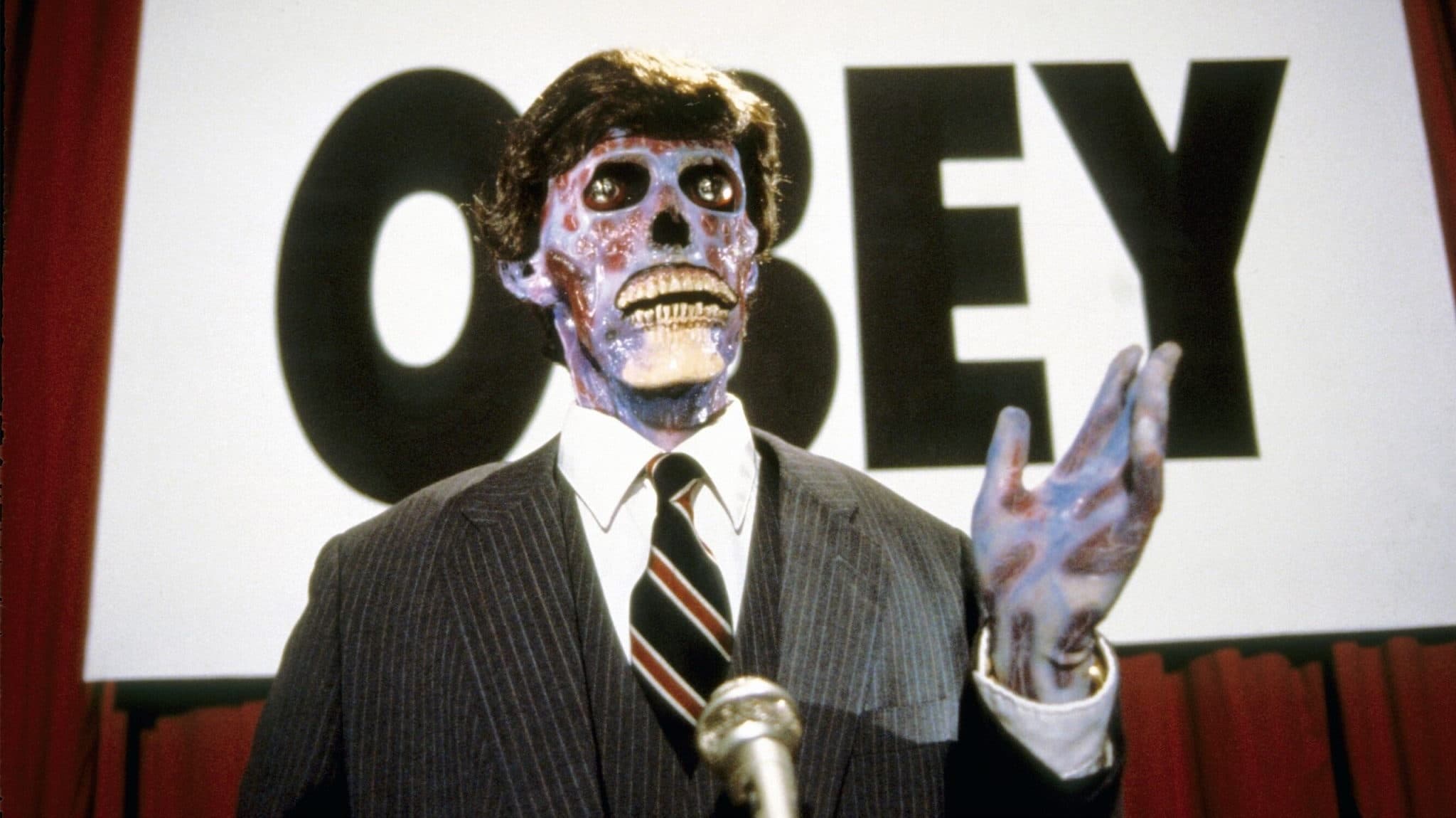
Carpenter does not tend to communicate overt messages through his films, but that is what makes They Live so memorable. Carpenter is a certified liberal filmmaker and has some very strong opinions (about quite literally anything). The ’80s were all about Reaganomics, and let’s just say…Carpenter was not a fan. The focus on big corporate business over the everyday people is evidently not the world view that Carpenter approves of. The all-encompassing experience of consumerism and the almighty dollar was certainly ever-present. That is the key to the messaging behind They Live. It has plenty of blunt themes and messaging, which fits perfectly into the B-movie feel to the film. Carpenter has never been much for subtlety…so why would he start with They Live?
The visuals begin to pop when our protagonist John Nada first puts those iconic black sunglasses on. OBEY. BUY. STAY ASLEEP. REPRODUCE. THIS IS YOUR GOD NOW. You get the point. The monochrome visuals of reality, combined with the aliens, are haunting – and “real ugly” (paraphrased from Rowdy Roddy Piper himself).
This is another film that feels like its scope and concept is well beyond the budget that Carpenter has, but that doesn’t stop him, Piper, and Keith David from delivering one of the most brutal brawls in the history of cinema (stiff work, for sure). The third act is certainly truncated, but this is still a wildly entertaining film. There is plenty of great humor (that final stinger of the film will have you laughing to the point of tears). The one-liners that Piper delivers are things of beauty. Piper filled in for a role that was made for Kurt Russell, but he certainly makes it his own (even if he is a bit stiff with some of the acting beats early on). Boisterous and bombastic, They Live is Carpenter at his most outwardly angry and opinionated, which feels natural for his directing talent.
Also see: Big Trouble in Little China, Christine, In the Mouth of Madness

 Knock on Wood
Leave a comment