
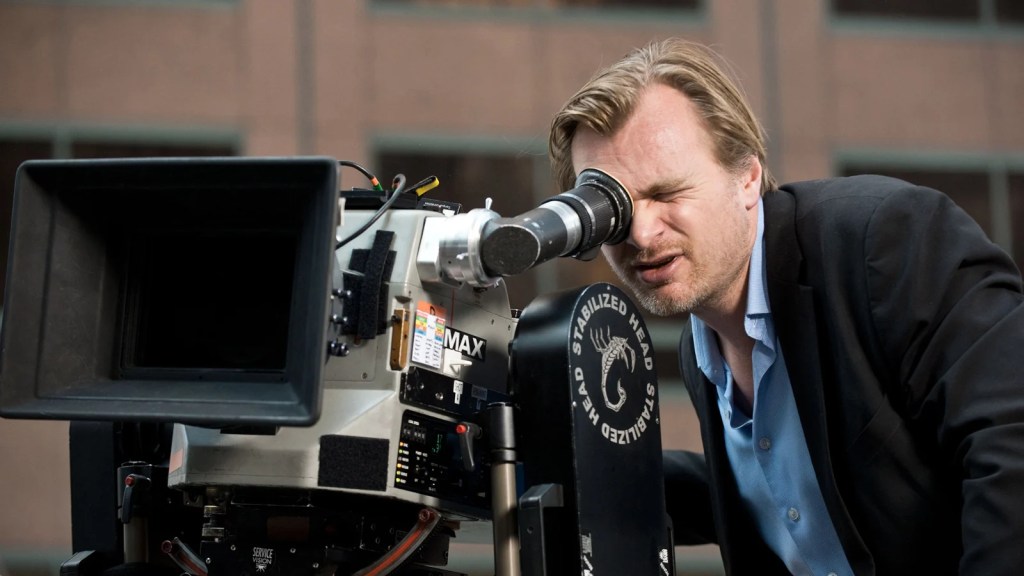
Welcome to class! My full-time job is working at a university, and I teach as well. One of my dreams has always been to teach a film class. Taking students through the world of cinema and helping them learn about the art form that I am so passionate about would be an amazing experience. But alas…I teach math. This series, “Lessons from the Wasteland,” is my opportunity to offer readers a curated watchlist to learn through doing (…watching movies). Each film on this list will highlight a filmmaker, sub-genre, filmmaking technique, or significant topic in order to broaden your cinematic horizons. For this month we have…
Christopher Nolan
Memento
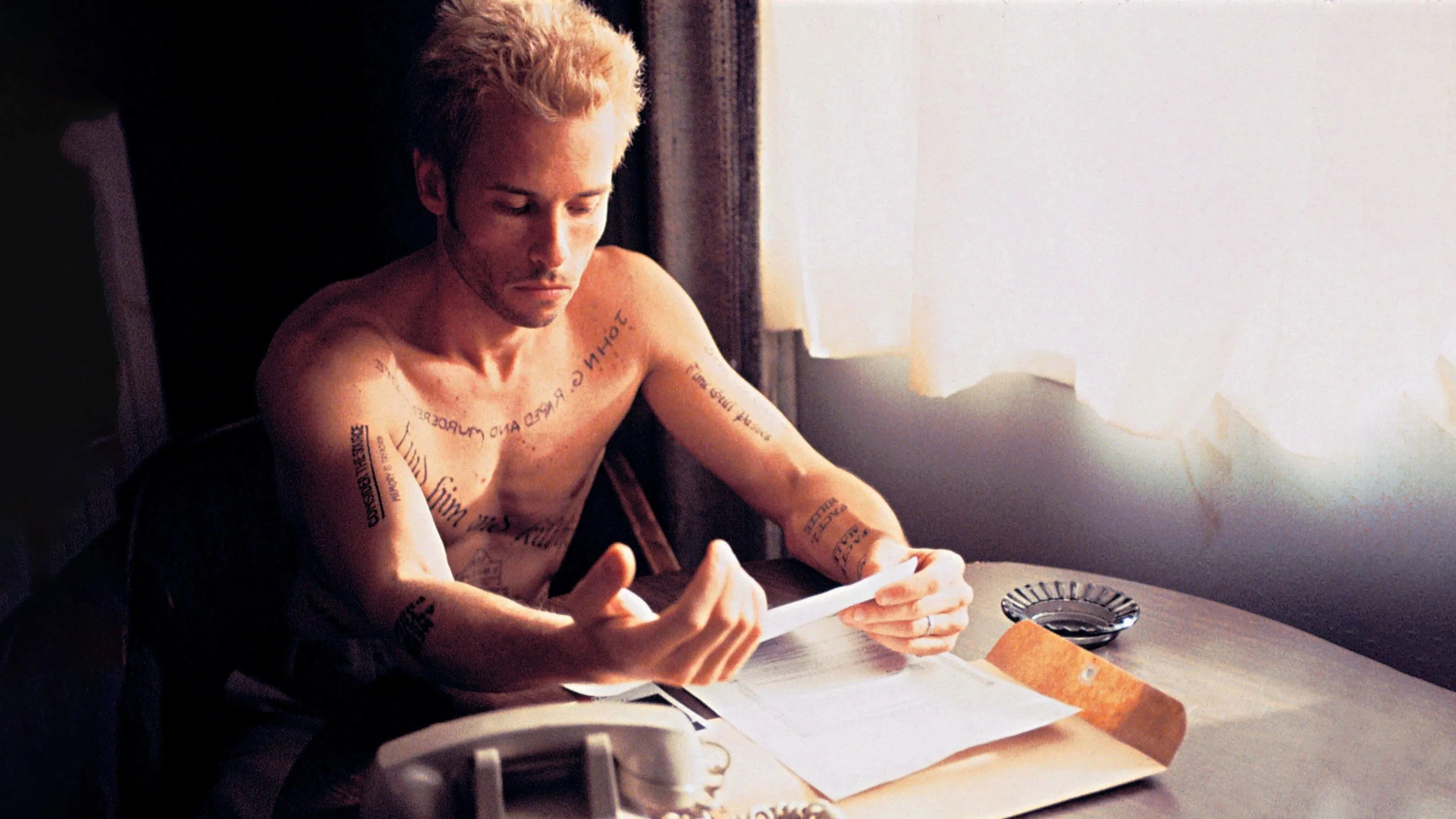
The “puzzle box” is one of the most significant trademarks of a Nolan film. Many of his works defy the expectations of what we know story structure to be. Most films take a linear approach to a story as it progresses naturally, but as early as his second feature film, Nolan explored the different approaches to how a story can be composed to maximize the narrative potential.
Memento is the perfect example of Nolan exploring the possibilities of what mystery can be explored through storytelling. This crime thriller is told through two different time frames. The film works backwards from a murder in one direction (shot in color) as the layers are pulled back on our protagonist’s actions (who lacks the ability to make new memories). The other direction is shot in crisp black-and-white, and shows our protagonist explaining his life and process to a stranger on the phone. Guy Pearce is perfectly cast as Leonard, who is oblivious most of the time, but there is something dark beneath the surface. Nolan presents a protagonist who is a good man on the surface, but challenges the audience to accept his actions, which are revealed to be much darker than anticipated.
Nolan might not have the budgets he would have later in his career, but he displays an incredible penchant for storytelling, tension, character, and mystery. There are haunting twists and turns around every corner that will shock his audience and put them in a position that will challenge their expectations. Nolan might not have the same reputation as M. Night Shyamalan when it comes to twists, but Memento shows that Nolan can shock his audience and can leverage mystery for great cinematic effect.
There is a morally gray world crafted in Memento where we are not quite sure of the intentions of any of the characters, nor are we prepared for the dark places they will take us. Nolan does not need easy-to-explore characters in his films because he knows how to leverage the emotional impact of the despairing world around us. Memento might not contain the same filmmaking prowess as Nolan’s later films, but it is an incredible achievement and showcases all of his potential.
The Dark Knight
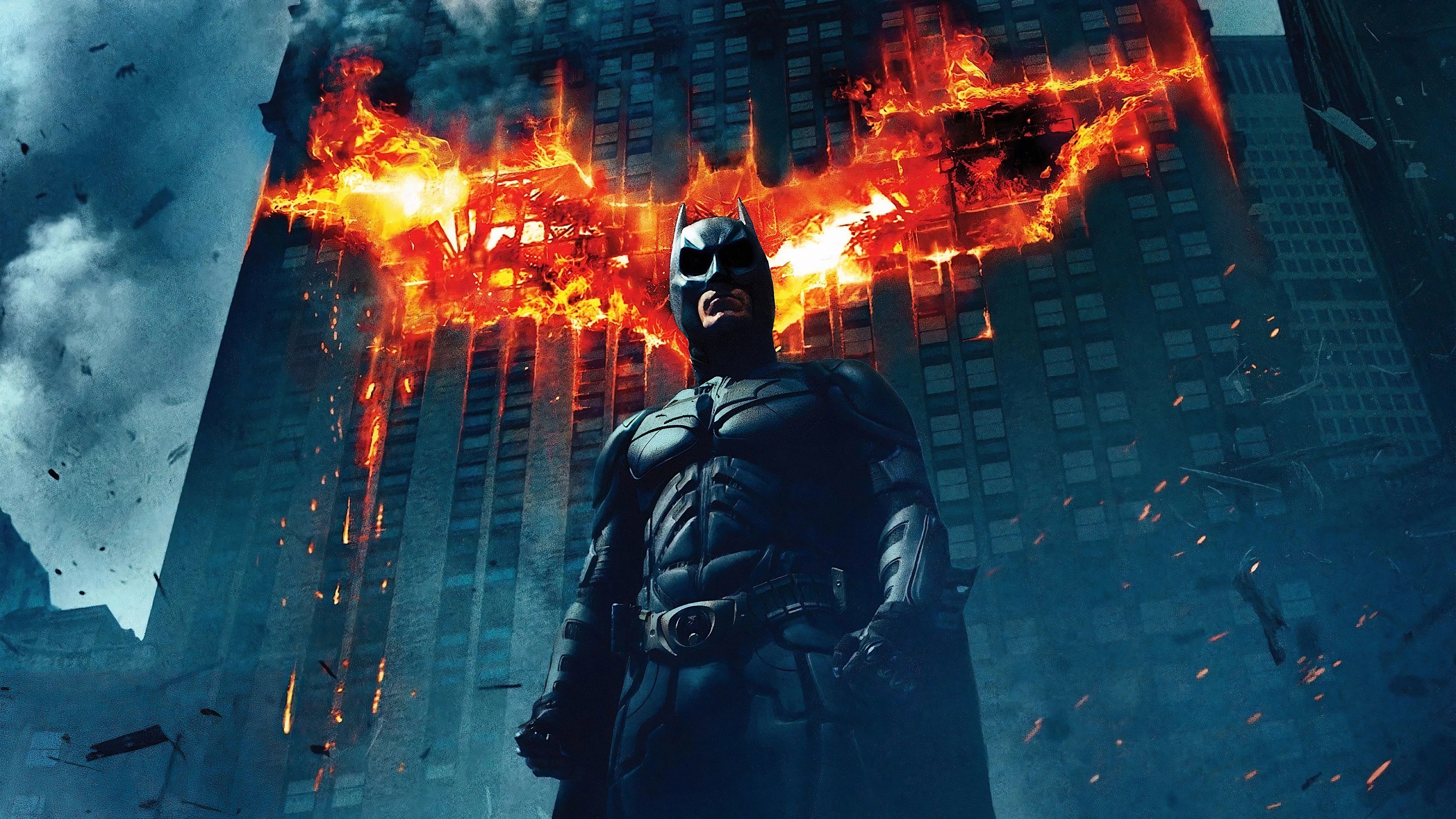
How many filmmakers can say that they revolutionized the comic book genre? There are a few names that epitomize what a great comic movie is, and Nolan created what most consider the greatest of the genre. The Dark Knight is a towering achievement of filmmaking that takes a darker, more grounded approach to the genre.
Batman has been one of the stalwarts of comic books for decades at this point. The cinematic journey started off campy and self-referential with the Adam West film before Tim Burton took things in a more noir-ish and German Expressionist approach, bringing that darker edge back to Batman. Then, Joel Schumacher went full blown cartoon and all but took the bite out of the character. It took Nolan delivering a hard reset (Casino Royale/James Bond style) to breathe life back into this franchise.
After an excellent first entry in the form of Batman Begins, in which he set up this new grounded Gotham City, Nolan was able to run with it and explore a whole engrossing story centered around Batman going toe-to-toe with his greatest nemesis of all…The Joker. The mayhem that the Joker brings feels so much more real, because of Nolan’s penchant for practicality and real sets. That hospital implosion feels so visceral because it looked so real. The Joker’s more grounded presentation as a horribly scarred man with a mysterious past and purity of chaos makes for one of the most terrifying and haunting villains in film. Nolan gave space to Heath Ledger to craft an incredible performance that instantly became legendary. Christian Bale’s Batman is a hero we need, but one we do not deserve. The Dark Knight is a great film before it is a great comic book film, and that is why it stands the test of time.
Interstellar

Science-fiction is the genre that Christopher Nolan has left the biggest stamp on so far in his career: The Prestige. The Dark Knight Trilogy. Inception…which many would put as the quintessential sci-fi film of his filmography. But there is a film that is a towering achievement from a filmmaking perspective that also highlights Nolan’s absolute love for the genre: Interstellar.
You can feel all the influences of Stanley Kubrick on this film from the start. There are robots that are shaped and designed after the iconic monoliths from 2001: A Space Odyssey. Kubrick’s film was a towering achievement of filmmaking that crafted a futuristic world with practical effects that seemed impossible for the 1960s. Nolan channels that same energy with Interstellar, which boasts state-of-the-art visual effects as well as tactile practical effects as well.
But Interstellar does not stand out just from its technical prowess and impressive sci-fi elements. This is a film that stands out in all of Nolan’s filmography as a film with a tender heart. One of the biggest complaints lodged against Nolan is his lack of emotion and human connection expressed in his films. His “heady” work keeps audiences at an arm’s length. That is not true of Interstellar. The key to everything in this film is love. You feel how deeply Cooper (Matthew McConaughey) loves his daughter Murphy. Their love transcends time and space, and delivers the hope key to the future that humanity needs.
This is a film of hope and beauty, which seems strange in the hands of Nolan. Interstellar did not receive the same critical love as other Nolan films at first, but over the past decade, its reputation has only soared. This is one of the finest films that Nolan has ever created, with equal doses of depth, heart, and technical achievement.
Dunkirk (2017)
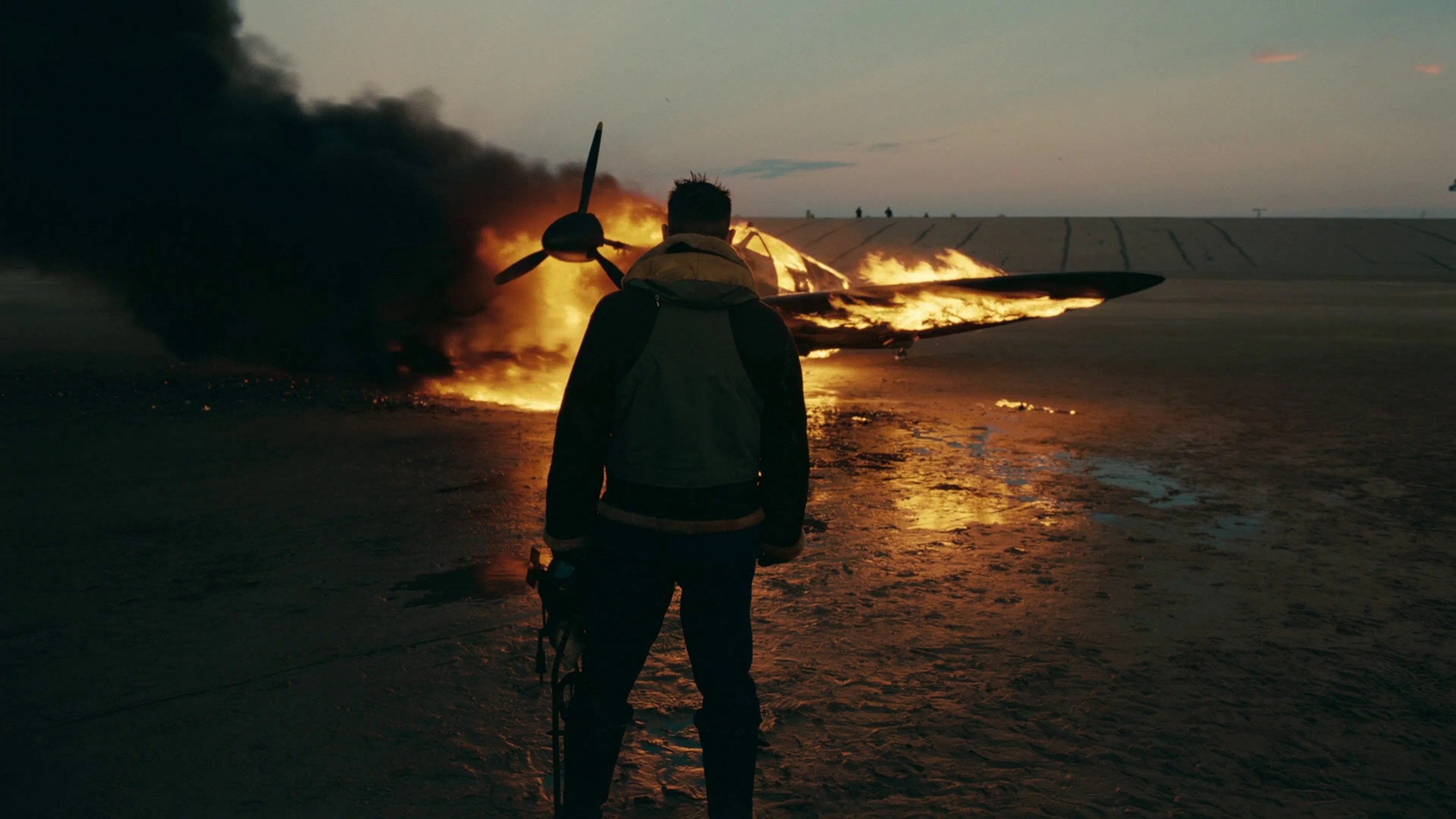
How many filmmakers can craft a film with little to no characterization that still manages to be engrossing and enthralling? Dunkirk is one of the most unique films in Nolan’s filmography, his only war film, and it focuses on an event that is particularly British in nature and legacy. Many Americans probably knew very little about Dunkirk before this film’s release, but it is a source of pride for many Brits as the sailors of the nation stepped up to stage a miraculous rescue. The approach that Nolan takes with this film is to make it about regular people as well as focusing on the incredible ocean-wide coordination of this great feat.
Nolan wastes zero time by jumping right into the action. The first shot of the film takes us running behind a group of young soldiers who are being shot at, with only a few of them making it out. From this moment, Nolan lets the audience know that this is going to be a non-stop thrill ride full of danger, courage, and grit. Nolan made the bold choice of not allowing any of his characters in this film to develop as characters, but it makes the world of the film feel so raw and lived-in, more of an authentic recounting of what happened that day. The mounting tension is accomplished through impeccable direction and a bone-chilling, paranoia-inducing score from Hans Zimmer. You feel the intensity and fear of what is coming with so many British soldiers sitting exposed on a wide open beach.
But it is not just the tension and authenticity that make Dunkirk such an achievement. Nolan could not resist making things more complicated with the revelation that the film is being told over the course of three fronts with different time frames. Tom Hardy is a daring pilot whose story is told over the course of an hour as he heroically comes in to save the day. The seafront of heroic British sailors makes their way across the channel in a day. The soldiers on the ground struggle on that beach over the course of a week. The score is timed in different measures as well to match the appropriate segments of the story. This is a raw, intense, and significant story being told by Nolan…but that doesn’t mean he can’t show off with his impressive penchant for defying storytelling conventions.
Oppenheimer
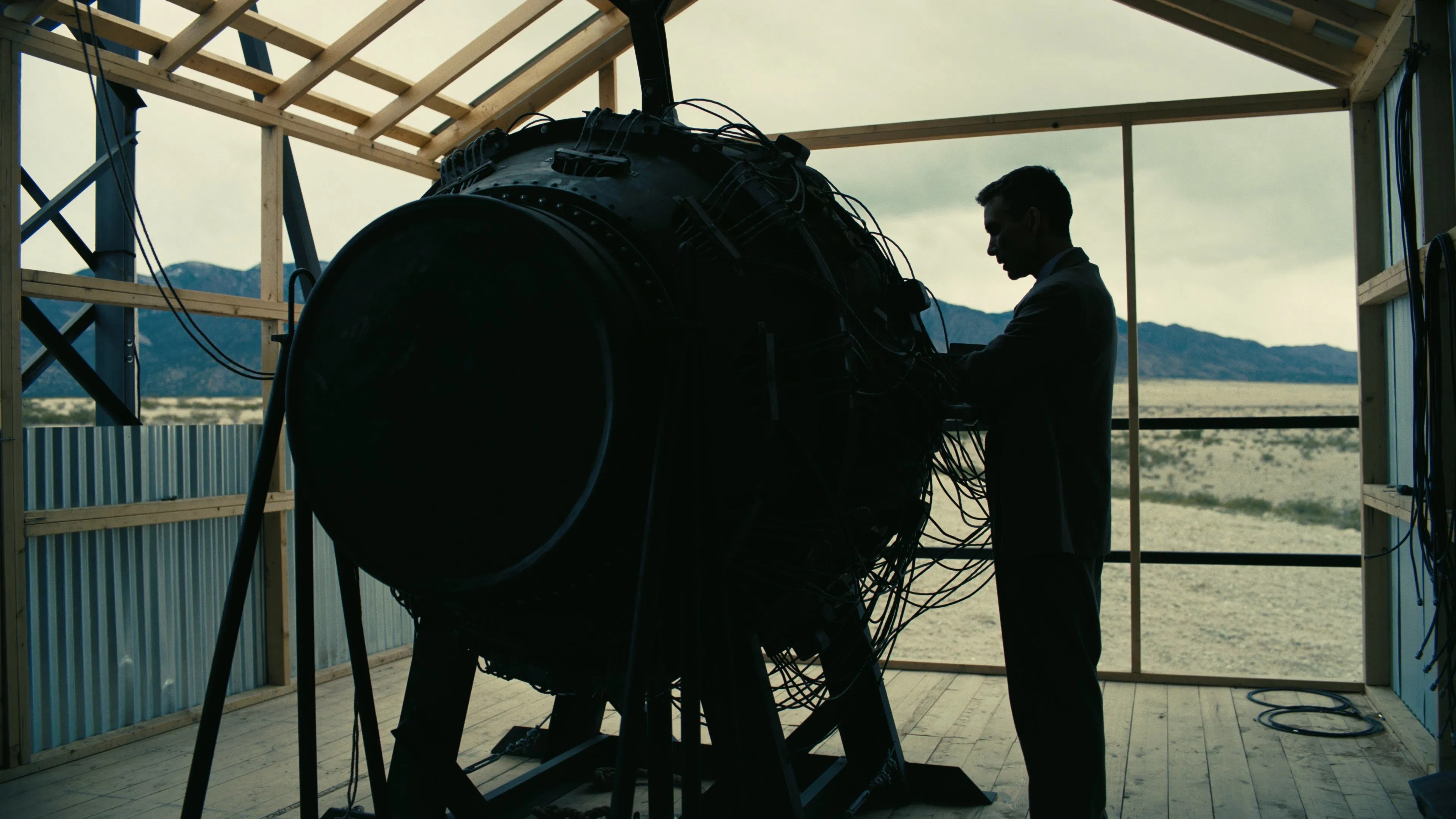
Oppenheimer: Nolan’s magnum opus (so far). The film that finally won him Best Director and Best Picture trophies at the Academy Awards. You might expect that Oppenheimer would be some kind of Oscar-bait material, with Nolan shifting gears and going for the big win. The truth is that no director would (or could) make a biopic quite like this. More importantly, Nolan did not compromise on any of his style to make this film more enticing for the Academy. Only Nolan could also make an R-rated biopic about the man who masterminded the atomic bomb that is three hours long…that made almost a billion dollars.
Cillian Murphy leads an enormous cast in a film that is full of fantastic performances that fit perfectly in this expertly-crafted and impeccably-structured film. The richness of the story lies within deep and societal themes, as well as deeply human ones. Oppenheimer was called the “Modern Prometheus” for a reason. The conflict between curiosity and responsibility. Nolan captures the weight of Oppenheimer’s work as it changed humanity and the power structure of the world forever. But the film also delivers a compelling mystery of how Oppenheimer fell from grace. Robert Downey Jr. delivers one of his best performances as Lewis Strauss, the man who found himself at odds with Oppenheimer.
But the story itself is just part of the feat that is Oppenheimer. Nolan captures the infamous Trinity Test with impressive authenticity while delivering an epic explosion through practical effects. The interludes of atomic activity are a compelling and visceral layer to the visual and auditory experience of the film, encouraged by Ludwig Göransson’s score, a grand achievement of epic scale and emotion. Nolan made a truly important film that tells a cautionary tale that needs to be heard. Oppenheimer had the atomic bomb. We have artificial intelligence. Will scientists and brilliant minds go too far again through their own curiosity and brilliance? We are on the brink, and Nolan showed us the way it can truly go.
Also see: Inception, The Prestige, Tenet, Batman Begins, Following

 Knock on Wood
Leave a comment