

Welcome to class! My full-time job is working at a university, and I teach as well. One of my dreams has always been to teach a film class. Taking students through the world of cinema and helping them learn about the art form that I am so passionate about would be an amazing experience. But alas…I teach math. This series, “Lessons from the Wasteland,” is my opportunity to offer readers a curated watchlist to learn through doing (…watching movies). Each film on this list will highlight a filmmaker, sub-genre, filmmaking technique, or significant topic in order to broaden your cinematic horizons. For this month we have…
Live Action Fantasy
The Wizard of Oz (1939)
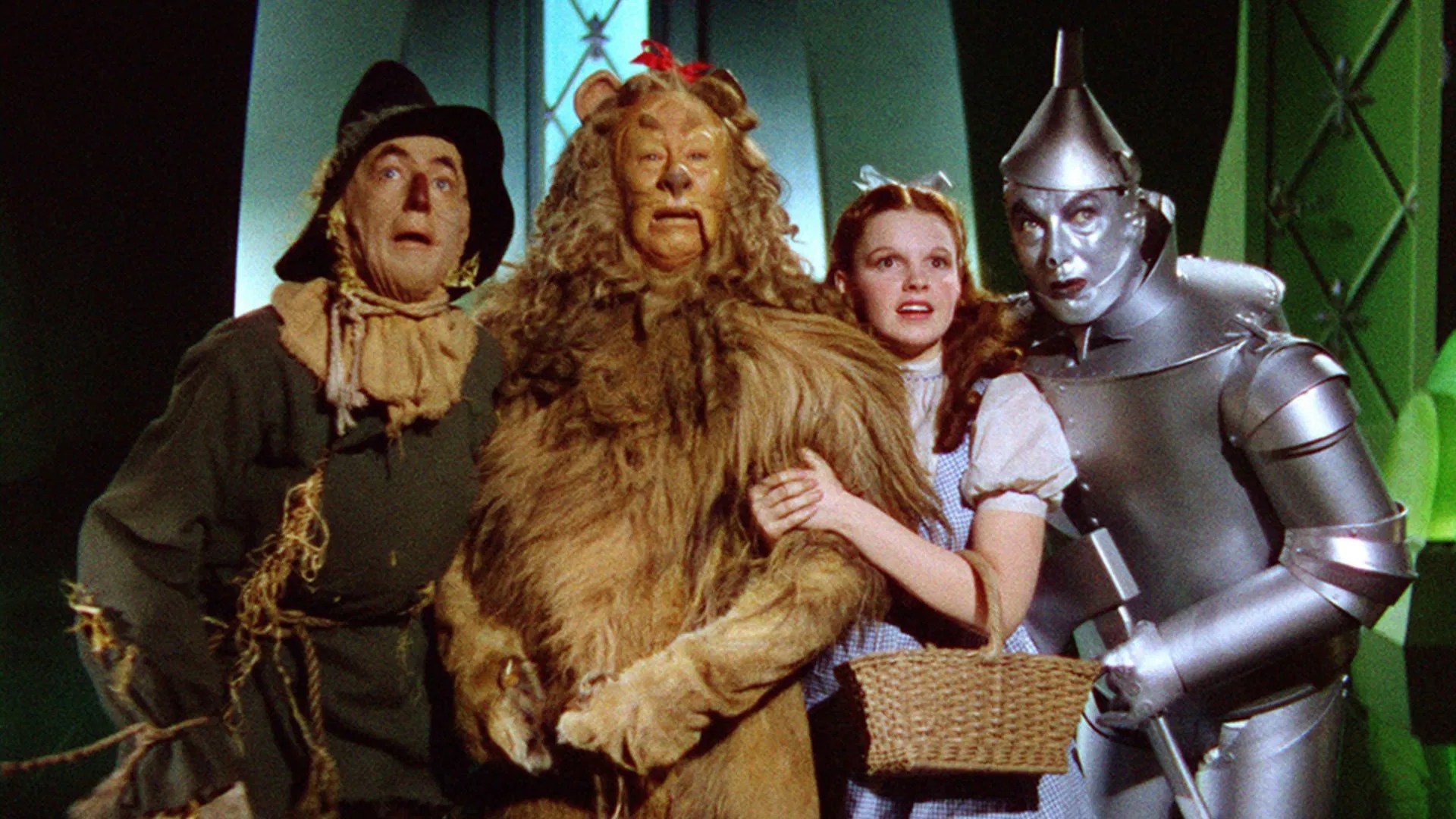
Back in 1939, Victor Fleming directed a film based on L. Frank Baum’s Oz books series, and that film has lived on the minds of audiences for the better part of a century. The Wizard of Oz is one of the most significant cultural touchstones of society with the influence and impact that it made on the film industry since. There have been many explorations of Baum’s work over the years (with Wicked being the most influential over the last 25 years). There have been filmmakers, like David Lynch, whose whole cinematic voices is heavily molded and influenced by The Wizard of Oz, and it’s not hard to see why.
Fleming’s adaptation is one of the most gorgeous films ever made, with the impressive Technicolor world of Oz coming to life on-screen. One of the film’s many genius ideas is to show Kansas in classic sepia tones that gives this dusty landscape of Dorthy’s home a vintage, yet blander, feel. But the second she opens her front door into the world of Oz, cinema changed forever.
Contrary to popular belief, The Wizard of Oz is not the first movie to use color filmmaking, but few films made such a splash with its utilization. Oz comes to life with such richness that it is hard to believe that this was a real set brought to life through a movie camera. The iconic Yellow Brick Road grabs attention with the richest of its color. The green skin of the Wicked Witch of the West pops right off the screen in its brilliance (especially in contrast with her iconic black costume). The Emerald City might just be one of the most iconic and recognizable places in the history of cinema, with such richness of color. The character designs are so iconic that you can pick out so many of them without seeing the film. Dorothy’s blue and white outfit is instantly recognizable. The Scarecrow’s make-up and costuming is incredibly lifelike and believable. The Tin Man looks like he just might be made of actual metal. The Cowardly Lion has such luscious and impressive fur from top to bottom. The giant, flame-engulfed projection of the Wizard is both majestic and terrifying. But there is one thing that stands above all else in both its beauty and iconography…the ruby slippers. The color was changed for the silver screen, and those rich red colors leap off the screen in such a gorgeous and poignant way.
The world-building and designs are not the only elements that have become culturally significant and influential. The presence of witches, wizards, re-animated objects, talking animals, and bold new creatures (like flying monkeys) are all elements which, on their own, would make this a work of fantasy, just shows how bold and impressive Baum’s story and Fleming’s adaptation have been on the world of fantasy. The ability to create a believable and authentic fantasy world is the largest challenge for the genre (especially in live action), but it is the practical effects and production design that make Oz feel so real on screen. The ability to leverage all of this impressive work to create a metaphor for the appreciation of the world, life, and people that make up the foundation of your life is the most magical accomplishment of this glorious cinematic achievement.
Mary Poppins
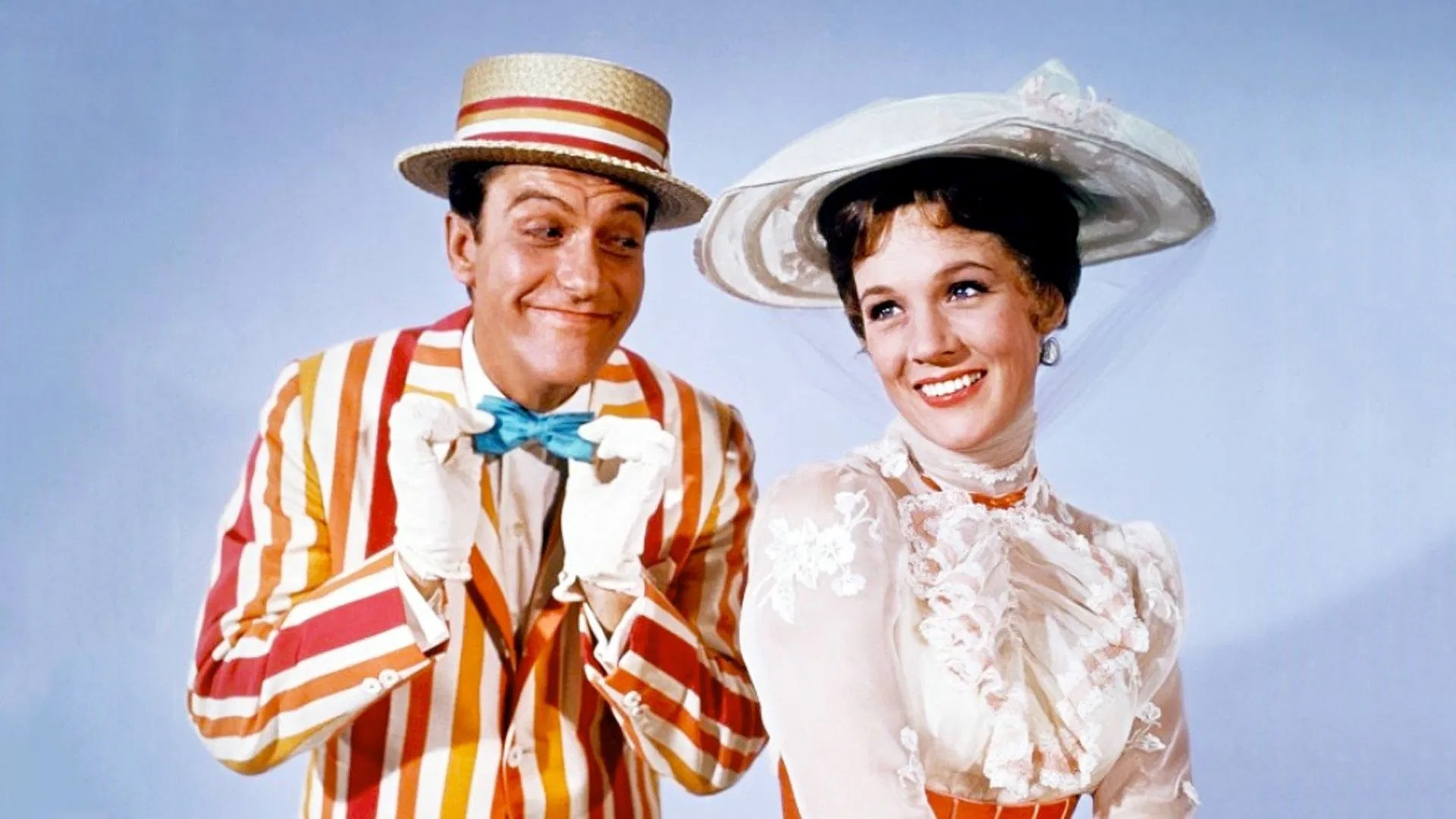
There might be more powerful witches and wizards in the grand history of cinema, but few characters have left such a charming and meaningful stamp than Mary Poppins. Author P.L. Travers created Poppins with a specific personality and sensibility in mind that made her book series so popular. But pop culture quickly accepted the Disney version of this beloved charmer who has a bit of snark, a stiff upper lip, and a big heart hidden under a thick layer of confidence.
With a wink, a flick, or a snap, Poppins can make all kinds of things come to life on screen. Walt Disney had a long history of creating movie magic unlike anything else that had been done before. With Mary Poppins, Disney and his whole crew of creators (including director Robert Stevenson) are able to show that they can transcend animation and create a hybrid experience unlike any film before it. A trendsetter like no other, Mary Poppins is one of the key stepping stones for the fantasy genre. The key difference between this and many fantasy films is that it showed how you can bring fantasy and magic into our world, and not just be separated into a whole new world. There are elements that explore other worlds throughout the film, such as the impressive chalk art world that Mary, Bert, and the Banks children get lost in. There are few cinematic experiences quite like watching screen legend Dick Van Dyke dancing along with richly animated and well-dressed penguin waiters on the big screen. Additionally, Mary brings her magic into the streets and homes of London. The sequence where she cleans up the Banks house is nothing short of miraculous, and seeing a group of people floating to the ceiling of a room and having a tea party is miraculous. This was 1964…the effects needed to be state-of-the-art, and something truly special and fresh.
Some other elements of the film have become so important in the legacy of fantasy. It might be mostly live action, but it influenced so many animated fantasy films to follow. Why? Music. The music from the Sherman Brothers is truly iconic in Mary Poppins. “Let’s Go Fly a Kite” and “Spoonful of Sugar” are just a few examples of songs that have stood the test of time. A musical is already something more fantastical, because people just don’t start singing their feelings out of nowhere in real life. But in a fantasy world full of magic…that doesn’t seem so weird.
Disney would become the gold standard in animation because of their animated fantasy musicals. That influence can be traced directly to Mary Poppins. But for a fantasy experience to feel real, you need actors to bring that world to life. Julie Andrews, Dick Van Dyke, and David Tomlinson are the key pieces to making this wonderful, magical, and heartfelt film truly come to life.
The Princess Bride
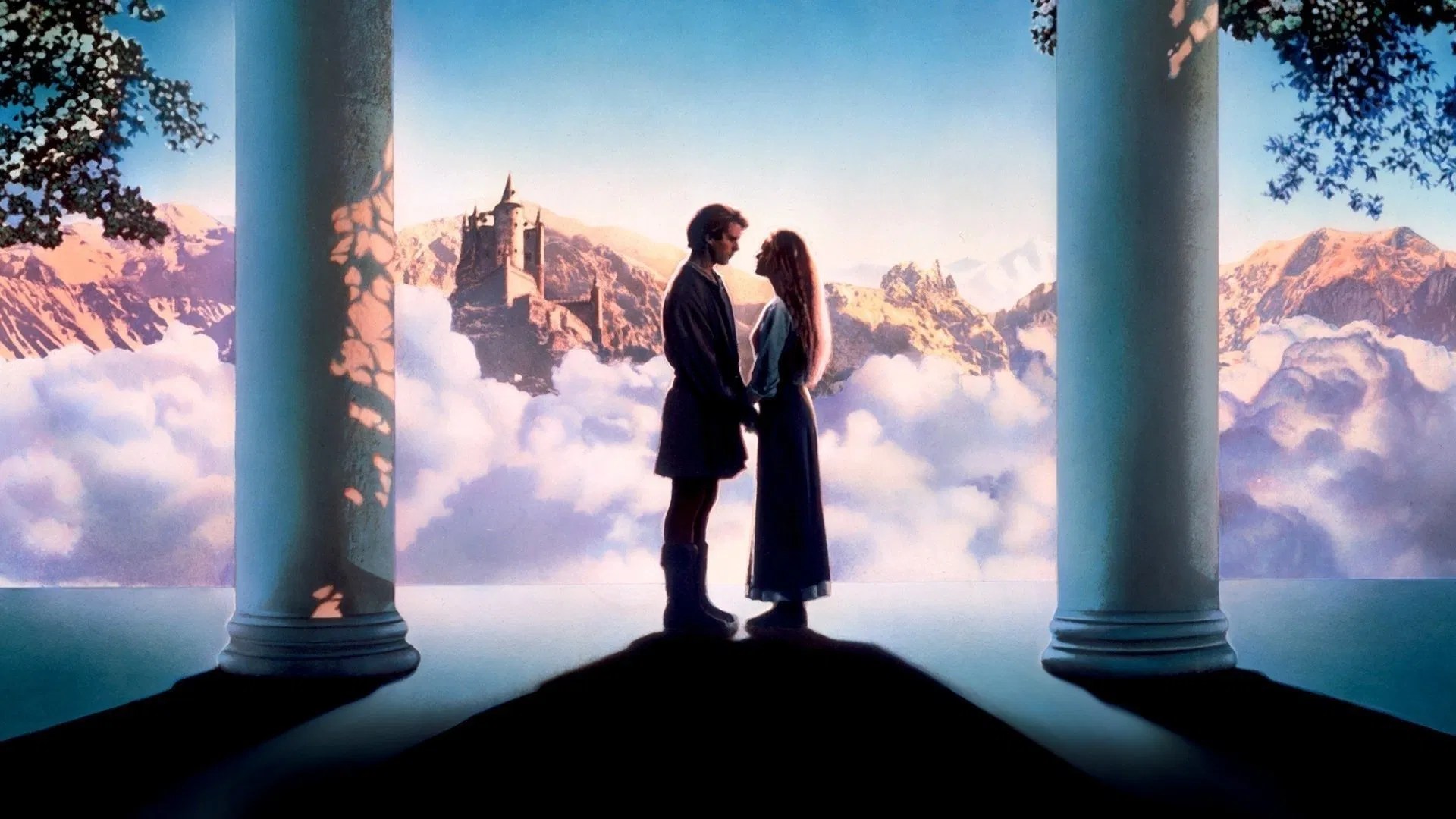
Whatever the touchstones of the fantasy genre are, The Princess Bride has them all! Rob Reiner was one of the most successful and impressive filmmakers throughout the ’80s and into the ’90s, with a string of classics that is quite impressive. Reiner explored so many different genres through the period of his career, and fantasy was his focus in The Princess Bride. The charm of this film is completely off the charts. The idea to make The Princess Bride an actual storybook that is shared by a sick kid (Fred Savage) and his grandfather (Peter Falk) adds metatextual layers to the experience.
Fantasy was born in stories read from books for generations of children. Seeing a classic fantasy film coming to life from the framed narrative of Grandpa Columbo was such a charming and magical feeling (and of course Peter Falk sells every single line and bit of commentary on the story itself). Then you have the actual story, which is one of the most magical ones you have ever seen. Today, The Princess Bride might not have the same level of fantasy elements as films like The Wizard of Oz or Mary Poppins, but they sure make the most of it. There is action (the sword fight between the Dread Pirate Roberts and Inigo Montoya is an absolute gem of a sequence). There is some horror (those Rodents of Unusual Size are terrifying, even if they are guys in suits, as well as those screaming eels). There is adventure (so much can be used as an example). But the second most magical cinematic genre (and the second most significant in The Princess Bride, behind fantasy) is romance. The connection between two characters and seeing that love come to life is such a special piece of cinema. The love at the heart of The Princess Bride is simple, but it is raw and true. Westley and Buttercup. Young love that stands the test of time. The love feels so real because of the trials and tribulations that Westley goes through to finally be with his Buttercup once again (and Mark Knopfler’s score breathes so much love and magic into every scene). But The Princess Bride has its fantasy elements, too, with giants (or just Andre the Giant…who was real), giant monster rodents, and Holocaust cloaks. But the presence of Miracle Max (the hilarious and charming Billy Crystal) finds the real magic in the film. When our beautiful hero, Westley, is (only mostly) dead, Max delivers the right bit of magic to bring him back to life and back into the story.
Few films (fantasy or not) have captured the wondrous and charming vibes this Reiner classic has. You know…the most quotable film of all time! I mean it…anyone want a peanut?!
The Lord of the Rings (2001-2003)
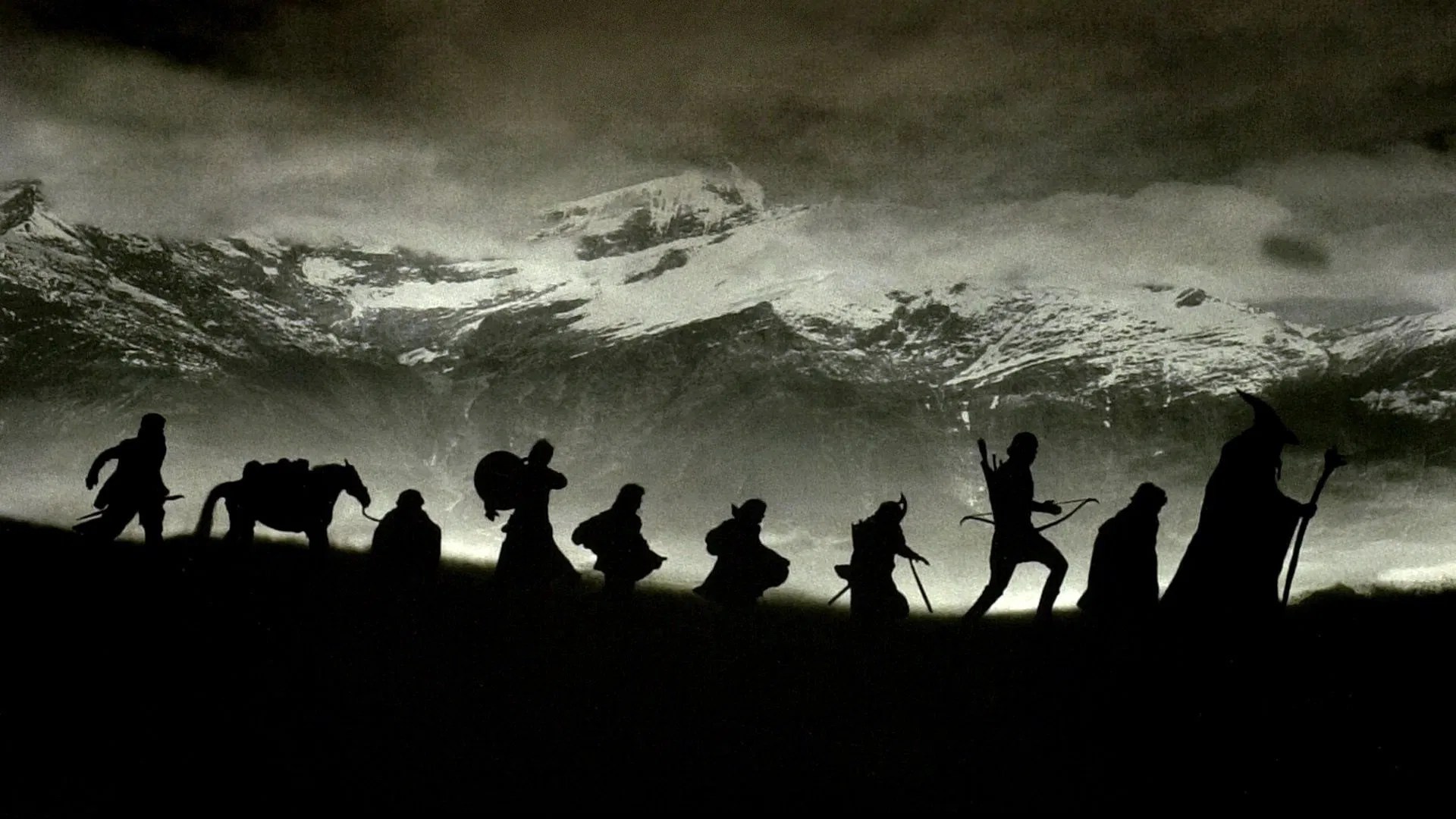
It is really difficult to argue against the greatest film trilogy (also hard to argue against) of all time. J.R.R. Tolkien single-handedly created the most impressive and immersive fantasy world in the history of art and literature when he brought the world of Middle-Earth to life. The Hobbit, The Lord of the Rings, The Simarillion, and so many more expand upon this incredible world throughout the impressive written works of Tolkien. They were brought to life before in animation in the ’70s and ’80s, but turning Middle-Earth into a live action cinematic world would be a near impossible undertaking.
Kiwi filmmaker Peter Jackson turned out to be well qualified to do such a miraculous act. One thing can be said about The Lord of the Rings…they are the most perfectly well-rounded cinematic creations of all time. Every aspect of these films are absolutely firing on all cylinders. First off, the fantasy elements are second to none. You have a fully realized new world created on screen by Jackson and his incredible team. The use of New Zealand locations, giant models, and other cinematic tricks makes Middle Earth feel like a real place in the most immersive way. The endless cascade of creatures feel so real and authentic, with the immense talent of the costuming and make-up departments. Orcs, hobbits, goblins, cave trolls, Balrogs, wargs, Uruk-hai, ring-wraiths, dragons, ghosts, and others come to life with such detail and authenticity.
Middle-Earth feels so lived-in, filled to the brim with living things. Few films accomplish this so wholly and effectively. The atmosphere is completely engrossing, with the cinematography and Howard Shore’s score doing so much heavy-lifting in making it come to life. The enormous ensemble cast is filled with so many talented individuals who all feel so authentic and committed to creating this magnificent world of Middle-Earth. Direction, acting, composing, cinematography, stunts, production design, costuming, make-up, hairstyling, and editing all deliver on an elite level.
For the rest of the life of cinema, live action fantasy films will be held up in comparison to this enormous cinematic experience. This is a talent that is universal and poignant. A young, innocent, and committed hobbit steps up to carry a truly evil and cursed item across this immense world to deliver it to destruction. Good versus evil. The darkest in all of us in the face of adversity. Tolkien’s words live on and so will The Lord of the Rings as a cinematic achievement.
Pan’s Labyrinth

A fairy tale not only has the ability to transport its readers or viewers into a whole new world, but also teaches them deep and enriched lessons. Fairy tales, as they used to be, were quite dark and could challenge those who engage with them. One filmmaker has an incredible understanding of the true power and impact of a fairy tale: Guillermo del Toro. He has made a career out of strange and supernatural tales that find depth and meaning in the experiences and presence of monsters. That is also true of his masterful fairy tale and beloved Spanish-language film, Pan’s Labyrinth.
One of the most important and influential aspects of Pan’s Labyrinth is what it means for the genre as a whole. This film is unique on this list, as it is not in the English language. Del Toro has crafted plenty of great fantasy tales in his native language, and there have been plenty of other great filmmakers who have offered impressive fantasy films all around the world. It is important not to limit your viewing just because of that little two-inch barrier at the bottom of the screen. Outside of what it represents for global representation for the genre, Pan’s Labyrinth does amazing things in balancing an eerie and wondrous fantasy world blended with a harsh look at the effects of fascism in Spain.
You know that this is not a fairy tale for children when you see the brutality that del Toro puts on display. We witness the evil of a fascist Captain as he smashes an innocent civilian’s face in out of needless cruelty. Brutal, bloody, and impactful, del Toro does not hide his audience from the horrors of fascism rising and the violence that breaks out between Franco’s forces and the rebels. But this is only half the story that is explored in Pan’s Labyrinth. You also have the story of Ofelia, who meets her new stepfather…that same Captain Vidal. Controlling, evil, and horrible, this new figure in her life pushes her to explore the nature around her, and she discovers a fantastical world full of magical, yet haunting creatures.
Del Toro is a master of crafting creatures and bringing them to life on screen. The Faun has become an iconic creature in fantasy films, with the impressive make-up and costuming, as well as the life that Doug Jones brings to the role. The Pale Man is just iconic…but absolutely terrifying and lives rent-free in the nightmares of (probably) everyone who has watched it. Del Toro is a master behind the camera, and his masterpiece stands as one of the best fantasy films of the 21st century.
Also see: Willy Wonka and the Chocolate Factory, Harry Potter, Pirates of the Caribbean, It’s a Wonderful Life

 Knock on Wood
Leave a comment