

In 2019, the Safdie brothers — Josh and Benny — wrote and directed Uncut Gems, one of the best films of the 21st century. It lit a fire in Adam Sandler’s career and made the duo one of the biggest (collective) names to watch in the industry. In the intervening six years, Benny’s acting career has taken off (he’s had supporting roles in multiple Oscar nominees and winners), and he co-created and starred in The Curse with Nathan Fielder. Meanwhile, Josh has stayed relatively low-key: He directed Sandler’s most recent comedy special, and that’s about it.
But this year, amid rumors of a rift that’s not only creative but personal, the brothers have both directed their own sports biopics. Josh teamed up with Timothée Chalamet for the forthcoming Marty Supreme, while Benny chose a different kind of megastar for the project that he wrote and directed, The Smashing Machine — Dwayne “The Rock” Johnson.
In a way, The Smashing Machine feels like just the first half of a larger piece of art — and it’s a pretty disappointing first half at that. To be fair, it’s an inspired take, but with lackluster execution: It chronicles only the fall — not the rise or redemption — of Mark Kerr, who’s now a C-list sports figure, but once helped the UFC rise to the prominence it has today. In an obvious attempt to garner some goodwill in the industry after a number of high-profile failures, Johnson, covered in makeup and prosthetics, portrays Kerr.
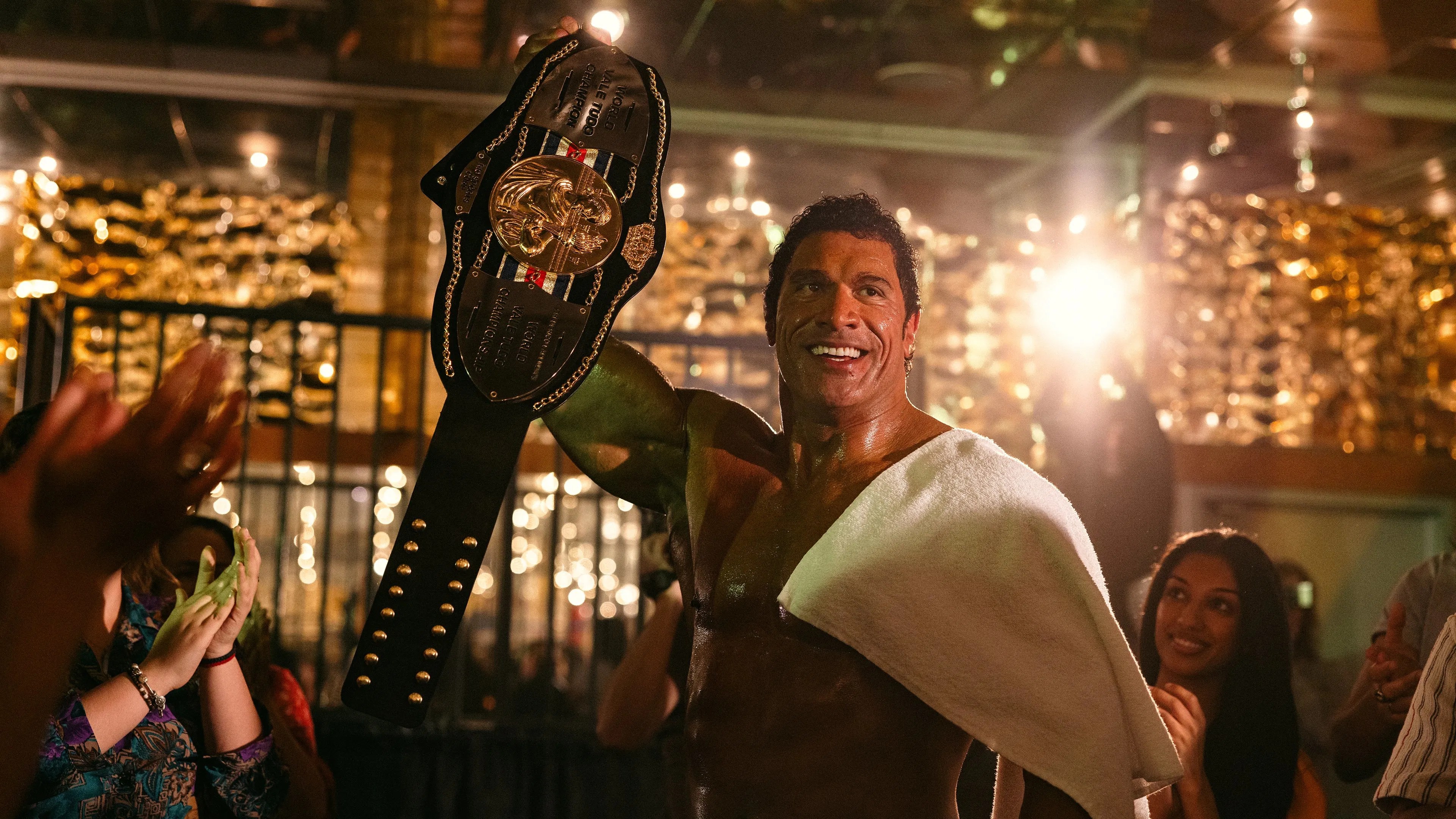
He’s good in the role, and I really am glad to see him doing this kind of movie, but the performance doesn’t come anywhere close to reaching the levels that Johnson’s aiming for. It’s clear that Johnson has plenty of acting chops — for as mixed as the movie is as a whole, he’s excellent in Southland Tales, and the wonderful Michael Bay-ification of Goodfellas that is Pain & Gain is Johnson’s best, most dynamic and against-type performance — but despite a couple more vulnerable moments that leverage his size and the audience’s expectations for him, Safdie really doesn’t give Johnson a lot to work with in The Smashing Machine.
Safdie’s aforementioned take is respectable in that, despite what the trailers sell, the movie isn’t interested in being Rocky. Unfortunately, it also doesn’t seem interested in being particularly compelling. It simultaneously wants to be about the relationship between Mark and his longtime girlfriend Dawn (Emily Blunt), Mark’s opioid addiction, and the contradiction of his typical demeanor with the sport he’s in, but all those subjects are pretty tepid in their exploration.

Johnson and Blunt’s (long-awaited) Jungle Cruise reunion is underwhelming, as Blunt yet again plays an exasperated love interest. She’s good at it, but it’s hard to really be impressed by the performance when it’s so familiar and formulaic. The movie doesn’t have enough interest in her as a person for Blunt to really bring Dawn to life. She’s just there for Johnson to use and abuse, and while it’s nice to watch Johnson shed that grotesquely curated nice guy, heroic persona for a bit, the stiffness of his furrowed, prosthetic brow, and the rigidity of the way Kerr’s written, don’t offer him much leeway to bring life to his character. Similarly, the opioid stuff might as well not be there, because the movie’s heart isn’t in it — the only purpose of those scenes is to give Johnson moments to cry.
Kerr’s relationship with Mark Coleman (Ryan Bader) is the most successful part of the movie. The last chunk of the movie leads up to a potential face-off in the final fight of a tournament after building up their brotherly camaraderie for the first 90 minutes or so. Their loving relationship in such a macho sport is honestly subversive, and it gives teeth to the third-act tension. Mark’s a guy who repeatedly says he’s never lost a fight, but that’s hardly the kind of fighter the movie shows. How he handles those bumps in the road, specifically in his pre- and post-fight moments alone and with Coleman, is by far the most gripping part of the movie.
They’re also where the film most deftly leverages its lead’s star power. The Rock is famous for having it written into his contract that he can’t lose fights on screen. I love a lot of the Fast and Furious franchise, but him and Vin Diesel having tough-guy-offs are when they’re most embarrassing. So good on Benny for getting Johnson to interrogate that concept head-on. It’s simply not enough inside a movie that appears to want to be more.
The Smashing Machine is too scatterbrained to have a cohesive thesis or a real take on who Mark Kerr is as a person, and much less as a public figure. The latter is definitely part of the point, especially considering the film’s closing moments, but any final scenes between the Marks are ultimately too little, too late, as they demonstrate what a missed opportunity the preceding 90 minutes had been, if only they had had a central idea to tie it all together.
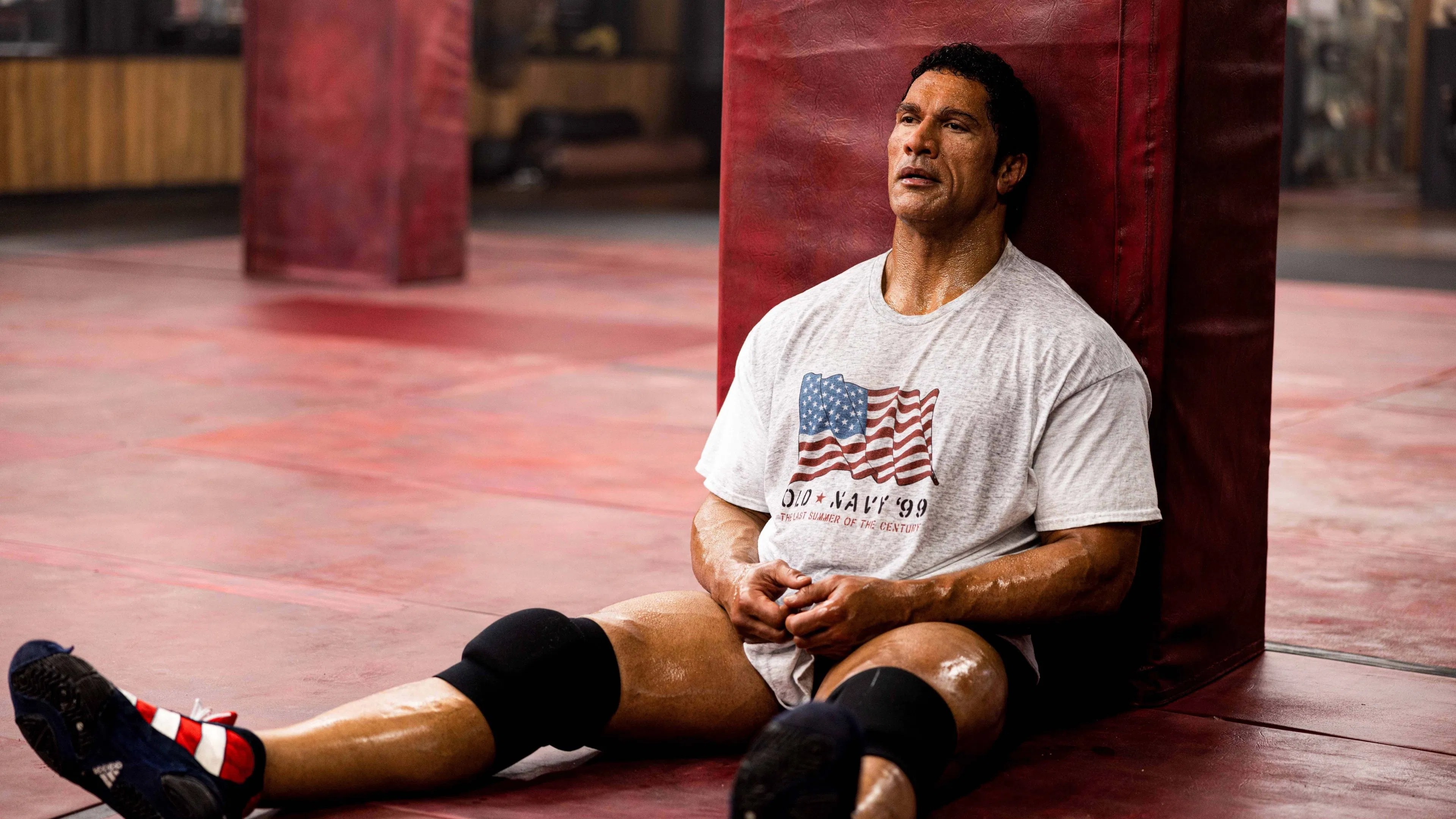
In a year where each Safdie brother is releasing a sports biopic, I can only hope Josh picks up the ball that Benny dropped. Between Good Time and Uncut Gems, they’ve made some classics together, so if they’re really done collaborating, I’m hoping The Smashing Machine ends up being that one movie we’ll write off as Benny catching his balance as a solo director. While not without its merit, it leaves a lot to be desired.
The Smashing Machine opens in theaters nationwide on October 3.

 Knock on Wood
Leave a comment