
Emily Blunt (The Smashing Machine)
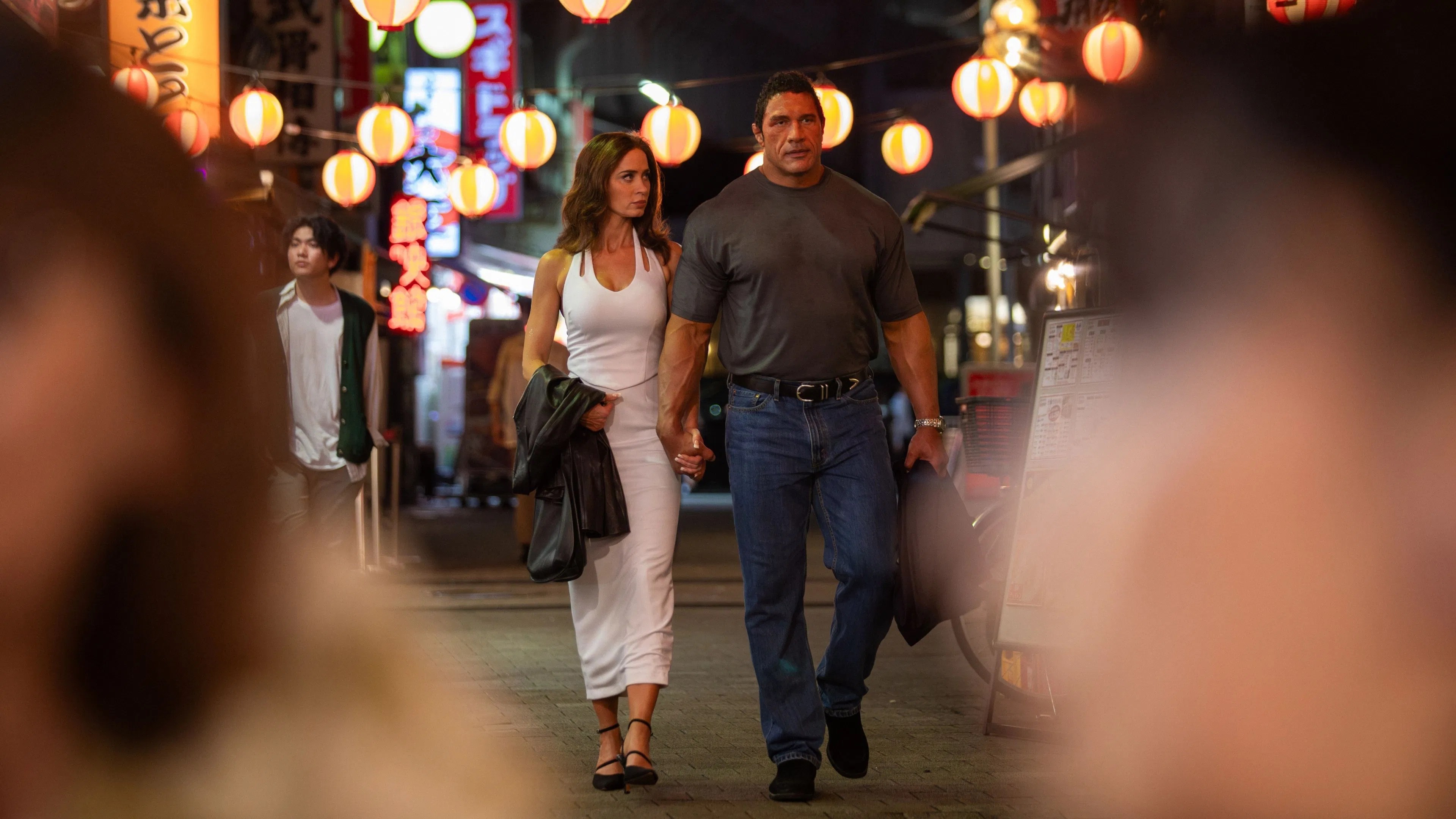
Emily Blunt is no stranger to being the best thing in a bad movie. Check out The Great Buck Howard, Gulliver’s Travels, and Edge of Tomorrow, and you’ll see what I mean. At least in The Smashing Machine, she got a Golden Globe nomination, as recognition of the fact that this is some of her best work to date. Hot off the heels of an Academy Award nomination for Oppenheimer, Blunt plays Mark Kerr’s flawed ex-wife Dawn Staples to messy perfection, hitting every beat of catty self-absorption. This is all while the camera sits lazily, languishing this drama into a tonal rehash of the documentary it’s based on. Her chemistry with Dwayne Johnson is crushingly one-sided, as Johnson disappears behind the makeup and away from the camera in the face of Blunt’s expectations and demands, which are towering. I think that’s the intention, to demonstrate that Kerr and Staples are ill-suited in most every way, and that for Kerr his wife is a cliché nag, but Blunt out-ambitions the Smashing Machine himself, and rather than straining to feel that Johnson is interesting, I instead took refuge in Blunt’s delicious showcase. Of particular note is that though she appears unsympathetic with this limited screenplay, she does inject some relatability in pockets here and there. We recognize the life that Dawn would take Mark down as problematic, while also seeing how this odd pair got together and why they still are. This is the only one of my selections that I think could get nominated come January, and my fingers are cautiously crossed. (Ian Hubbard)
Amy Madigan (Weapons)
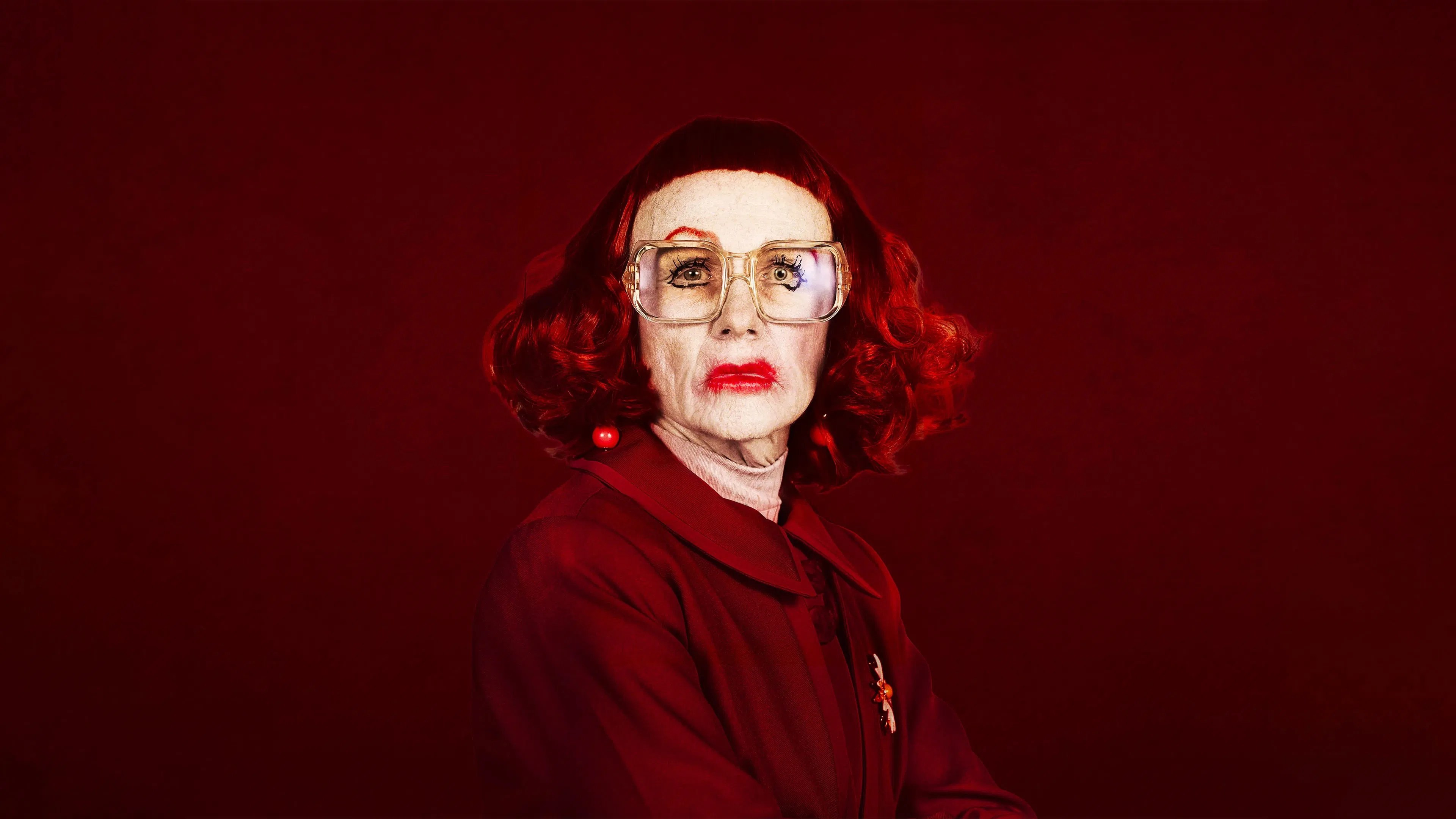
I saw Weapons opening night in Paris, surrounded by 250 young French folks. None of us knew what we were in for, and although the film’s opening narration and first few scenes perfectly set the stage for the horrors to come, the first time I knew we were in for an all-timer was when Amy Madigan’s unrecognizable, makeup-soaked face first graced our screen. Though her character, Aunt Gladys, first appears from behind in the film’s opening montage, her first true surfacings are in a series of dreams and visions experienced by Weapons’ POV characters. From then on, whenever her piercing, unsettling visage is on-screen, I’m on the edge of my seat; the more ease she tries to project, the more I want to shrink away. It’s a performance that’s both unpredictable and vampiric, strange in a way that you can’t quite pin down, but the bizarre, atonal energy is matched by Madigan’s endlessly compelling delivery. And how can you look away from that penetrating stare? She was the breakout star of Weapons for a reason, and the film uses her sparingly but tactfully. I’m not sure if we need the Aunt Gladys prequel that Zach Cregger has been teasing, but if it gets us more Madigan and more freaky-deaky magic, I’m all for it. (Rowan Wood)
Eva Victor (Sorry, Baby)
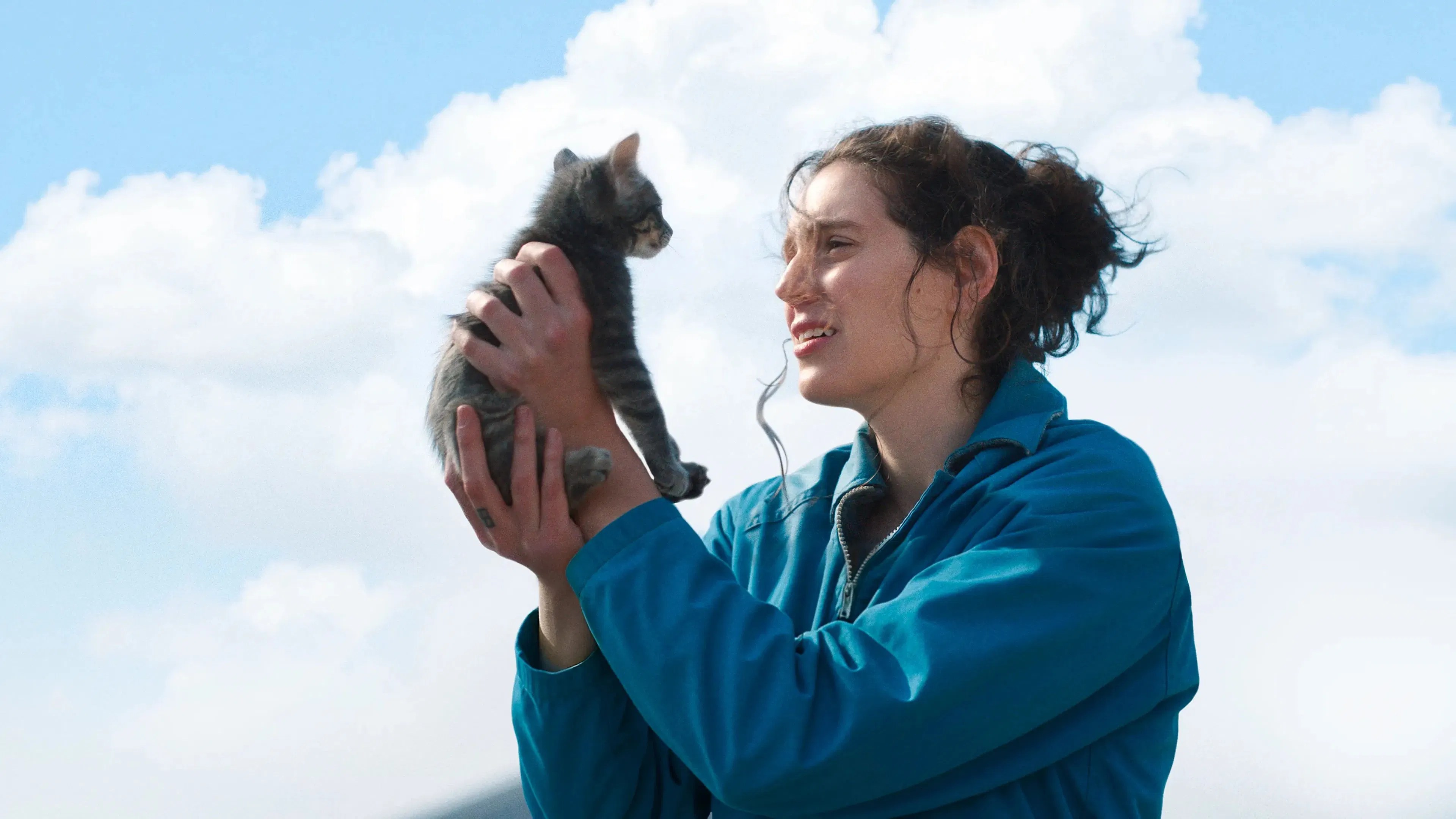
Sorry, Baby made such a significant impact on all those who found and experienced it. The writing, directing, and performance all came down to one individual: Eva Victor. They are one of the most talented artists to break out this year, with their leading performance in their own writer/director effort being one of the most engaging performances around. Their unique personality is fun and endearing. The way they hide the cat in that store with all the specific yet hilarious face expressions is second to none. Victor has a sharp, pitch-perfect humor that gives the audience plenty to smile about. Their chemistry with on-screen bestie Naomi Ackie is infectious, with endlessly hilarious banter. But it is the depth of emotion and character Victor brings to the table that enriches the performance. This film would not be the same without the unique tempo of speech, expressions, heart, and intelligence that Victor brings out of her character. Deeply personal, this performance just might bring tears to many people’s eyes. Victor’s performance gives Sorry, Baby a unique and specific tone and vibe, with few performances doing such heavy lifting this year. (Shane Conto)
Frank Dillane (Urchin)
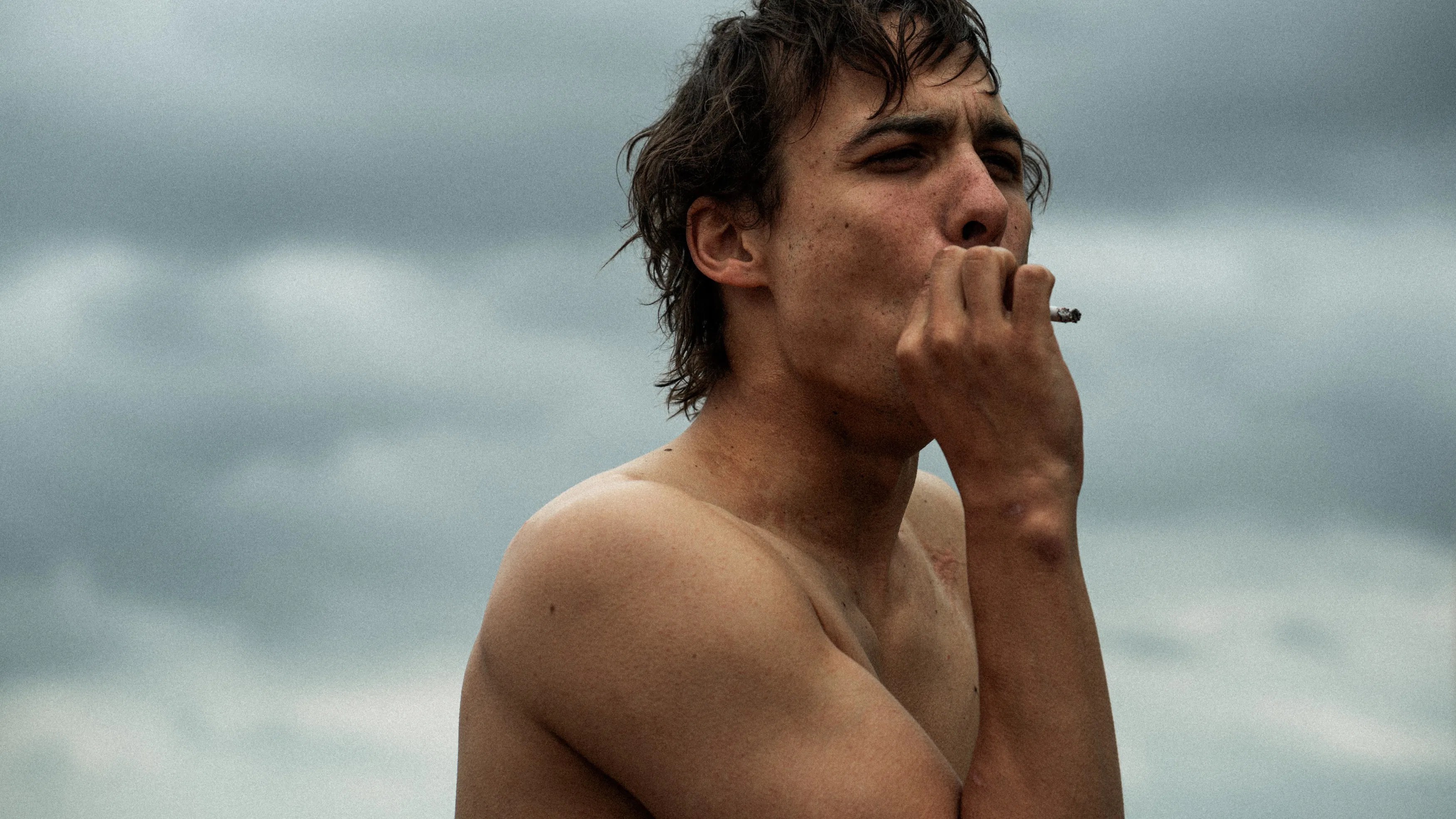
Desperation makes for good drama, and there’s rarely a more desperate film than Urchin. But one must toe the line carefully in such cases. Obviously, if the main character is stable too often, the stakes will be washed away with the tide. But if the trauma keeps coming and the actor keeps the playing the same notes that reflect it, the movie really has nowhere to go, and it was a study in torture for the sado-masochist community. In Urchin, Frank Dillane glides past these difficulties like they do not exist. As Mike, a young man struggling with addiction, he plays with extreme vulnerability, overconfidence, devastatingly low self-esteem, and hopeful serenity. These severe peaks and valleys in emotion he makes believable and heartbreaking, and his watchability allows us to sympathize with a man who, at times, makes reprehensible decisions. This sympathy crucially lets us tap into some of the more hilarious moments as well, breaking up the well of gloom with well-earned laughs at the absurdity of life. Dillane, still new to leading a film, is the focus of every scene in the piece, and I cannot overstate how effortless he makes that look. (Ian Hubbard)
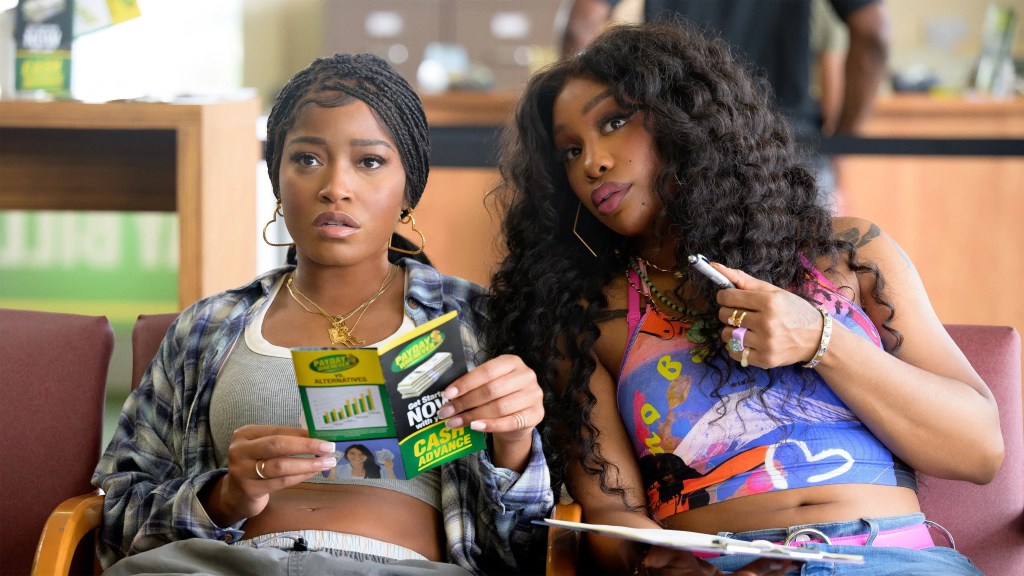
Keke Palmer and SZA (One of Them Days)

I had high hopes for the R-rated comedy One of Them Days, and due in large part to the charisma and energy from Keke Palmer and SZA (in her debut role) as best friends Dreux and Alyssa, I did not leave the theater disappointed. The chemistry between the duo is natural, their friendship – a foundational element to the film – is effortlessly believable, and the rhythm of their banter flows in a way that both heightens the comedy and bolsters the realism of their connection. Palmer and SZA work together to bring the characters and the world of the film completely to life. My one hesitation about the film going in is that comedy that takes place over the course of one day where many of the road blocks faced by the characters are due to their own missteps can sometimes feel a little more frustrating than amusing if not properly executed. But even as these women did things that made me want to yell at the screen, I never felt like the film crossed that line from funny into frustrating. No matter what over the top antics the roommates get up to, the characters and their friendship remain relatable, realistic, and easy to root for. Palmer and SZA are funny, charming, and perfectly matched. They kept me laughing the whole time, and got me really invested in the story and their relationship. (Davis Mathis)
Josh Brolin (Wake Up Dead Man)
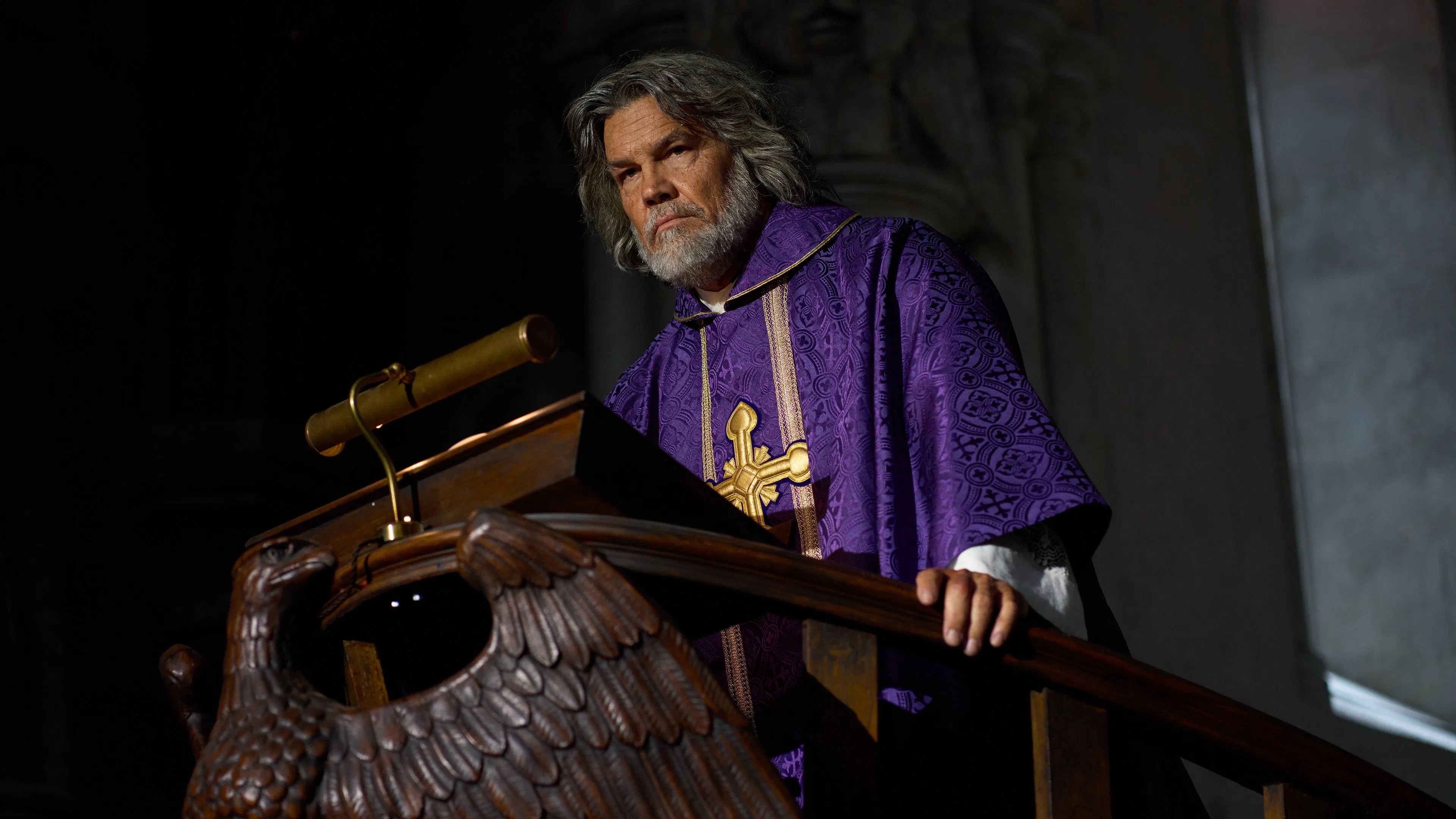
The ensemble casts are some of the most exciting features of Rian Johnson’s Benoit Blanc mysteries. Wake Up Dead Man is no different, with the close-knit community of a small town church taking center stage. One of the key characters is Monsignor Jefferson Wicks, who is not only the victim of foul play but also an incredible example of a charismatic and problematic presence who garners a cult-like fervor around him. Few actors have the presence, power, and booming voice to capture the might of such a character. Brolin exceeded all expectations. His performance is a brilliant mixture of power, humor, and terror. The way he engages with his flock is concerning, as his sheer presence casts a massive shadow over the whole rest of the cast. When Brolin needs to tear the house down with Wicks’s final sermon, he does not disappoint. Channeling the same energy and charisma of iconic yet horrible leaders gives Wicks the needed impact that his presence deserves. When Brolin opens his mouth, and his booming voice radiates throughout the house of worship, it is hard not to pay attention. The performance matches so perfectly with the visuals, as well as with the grand mane of hair and enormous beard. Wicks is a vibe…just not the kind you would want to experience in real life. (Shane Conto)
Dylan O’Brien (Anniversary)

This film may be the recipient of my ensemble of the year award…did anyone else go see this? Despite being one of the visually blandest films of the year, Anniversary effectively captures an American descent into an authoritarian-regime dystopia, all through the lens of one family as it gathers events across five years. Somewhat critically disregarded for its broadness and lack of a political stance (something I refute), Dylan O’Brien has been universally praised for his turn as the family’s only son, Josh. Prodigal to begin with, he brings home his girlfriend Liz Nettles (Phoebe Dynevor), the founder of the political theory that causes the decay of American personal liberties. And while his family attacks her for it, O’Brien comes to her defense strongly, and later champions her ideas becoming political reality. He wields raw threat like a lethal penknife – earlier we are given witness to the strength that is Josh’s disappointment made manifest, and the family, like the audience, comes to realize that he’s capable of anything to advance his own aims. His transformation into a governmental figurehead is Citizen Kane-esque in scope and success, and for my money, throughout this year in film there was no gaze as dangerous as his. (Ian Hubbard)
Arienne Mandi (Tatami)
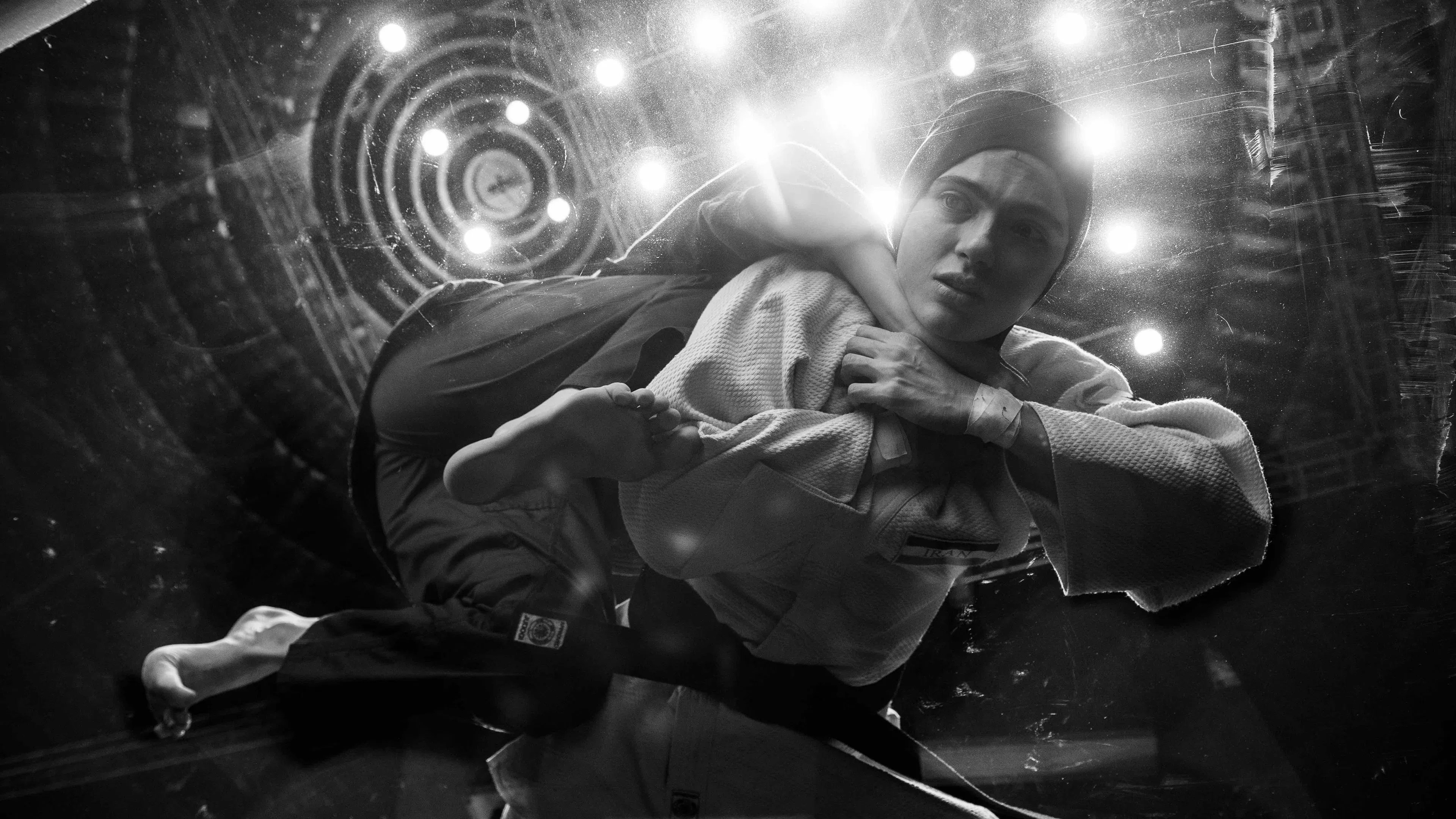
When playing an athlete, an actor needs to get the physicality correct. That is a lot easier said than done. In Tatami, there are plenty of other layers to the lead performance than just the fact that they are a judoka fighting for the World Judo Championship. This is a harrowing tale of rebellion against authoritarian reach that is attempting to squander the hard work and pride of Tatami’s lead, Leila Hooseini. Leila is brought to life with impressive ability by actor Arienne Mandi. There are significant challenges to the character, and Mandi soars above those benchmarks. First, the film is full of intense and visceral judo sequences, and Mandi delivers that physicality incredibly authentically. Then, you have the pain and suffering of an injury that threatens Leila’s efforts. The way Mandi portrays this pain feels so real, and it makes this story a tough watch. Finally, there is heightened emotion as frustration overcomes this proud athlete whose country wants her to bail out to avoid a confrontation with an Israeli opponent (Leila being Iranian certainly makes this quite a complex situation). The threats waged against Leila calls for plenty of emotion from Mandi. She rises to the occasion and delivers one of the most layered and complex performances in a film that is so powerful and incredibly resonant. (Shane Conto)
Mari Yamamoto (Rental Family)
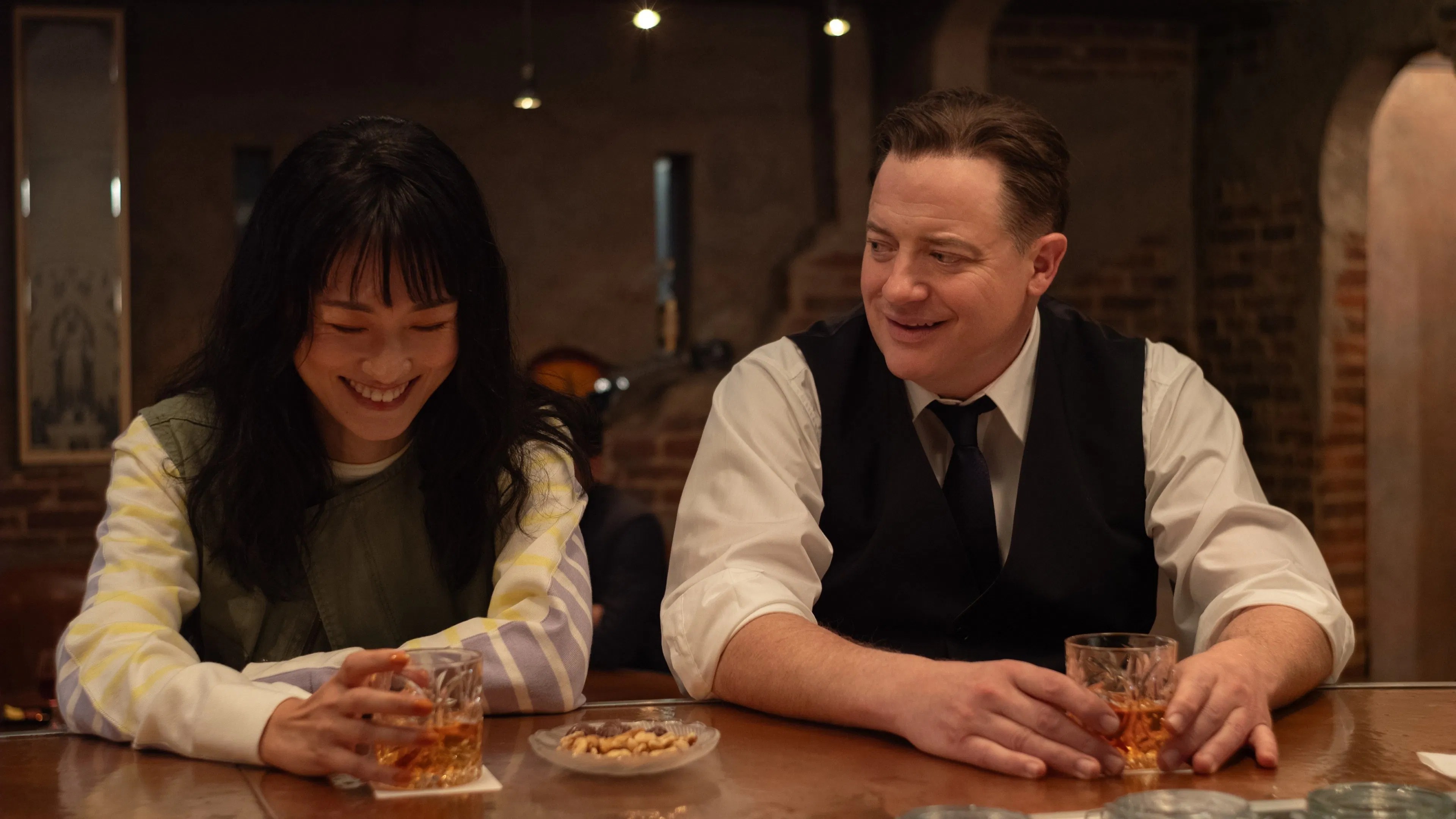
Rental Family was my most anticipated movie for nearly a year. I was especially looking forward to Brendan Fraser’s next meaningful vehicle since his Oscar-winning turn in The Whale. But though I was fully satisfied by the heartwarming beats I had expected and was craving, Mari Yamamoto makes the most out of every moment she’s given, and it was she who stole the MVP award I’d all but handed to Fraser. Her presence as Aiko is fierce, devotedly protecting her clients as an employee of the titular rental family company. Her performance delivers striking truth that touches both the idealism that the central premise suggests, and attacks the leering underbelly for why such a service might be needed. She is not the main character, but because of Yamamoto’s brilliance, her character’s story is tied to the overall plot more efficiently than anyone else’s, which is a feat considering she has no easy emotional string to pull, like her fellow, excellent co-stars: Shannon Mahina Gorman as yearning daughter and Akira Emoto as aging father, respectively. Her dedication is clearer than anyone else, yet, despite initially distrusting Fraser’s Philip Vanderploeg, their interactions retain the warm glow that is consistent throughout the film. It isn’t that she is the best part of a movie that could have been, Yamamoto creates what Rental Family is, and extends her hand to the rest of the production. (Ian Hubbard)
Dylan O’Brien (Twinless)
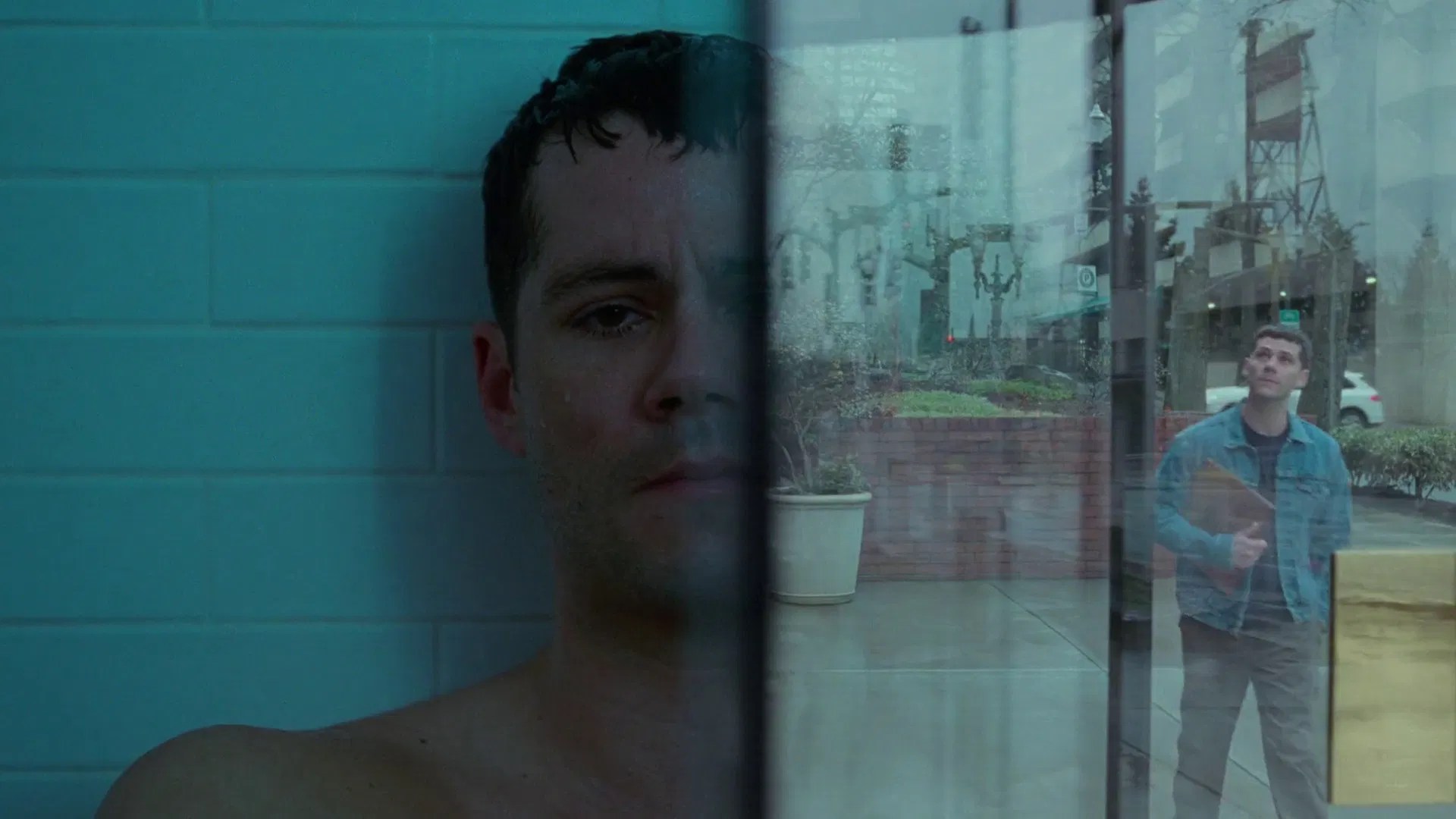
The moviegoing audience is no stranger to actors playing two roles in a film – even in 2025, Michael B. Jordan blew all competition off the screen with his dual performances as Smoke and Stack in Sinners. Still, the choice carries a weight every time it’s utilized, and excepting Jordan (who is phenomenal in Coogler’s masterpiece, but is getting plenty of attention to that effect), the most stirring twin performance this year is Dylan O’Brien in James Sweeney’s Sundance darling Twinless. He plays Roman, an angry young man grieving the death of his gay twin brother, Rocky (also played, in flashbacks, by O’Brien). There’s a reason O’Brien is the only actor spotlighted twice on this list – since breaking free of the YA/dystopian shackles, he has been zigging and zagging, starring in fun, conventional films like Saturday Night and the forthcoming Send Help, but also supporting roles in stranger stories like Not Okay and Ponyboi. He perfectly exemplifies the exasperation of his generation while simultaneously delivering a gut-wrenching exploration on grief and recovery. On the other side of the coin, Rocky is the polar opposite of Roman: a textbook flamboyant gay man who holds his darkness underneath instead of constantly allowing it to surface. Because of the very nature of the film’s story, we never see them together, but because of the way they talk about each other, you can tell that their relationship is a special one. O’Brien’s performance(s) is empathetic and distressing, and both feel perfectly in tune with Sweeney’s hilarious, off-kilter tale of love and loss. (Rowan Wood)
Ralph Fiennes (28 Years Later)
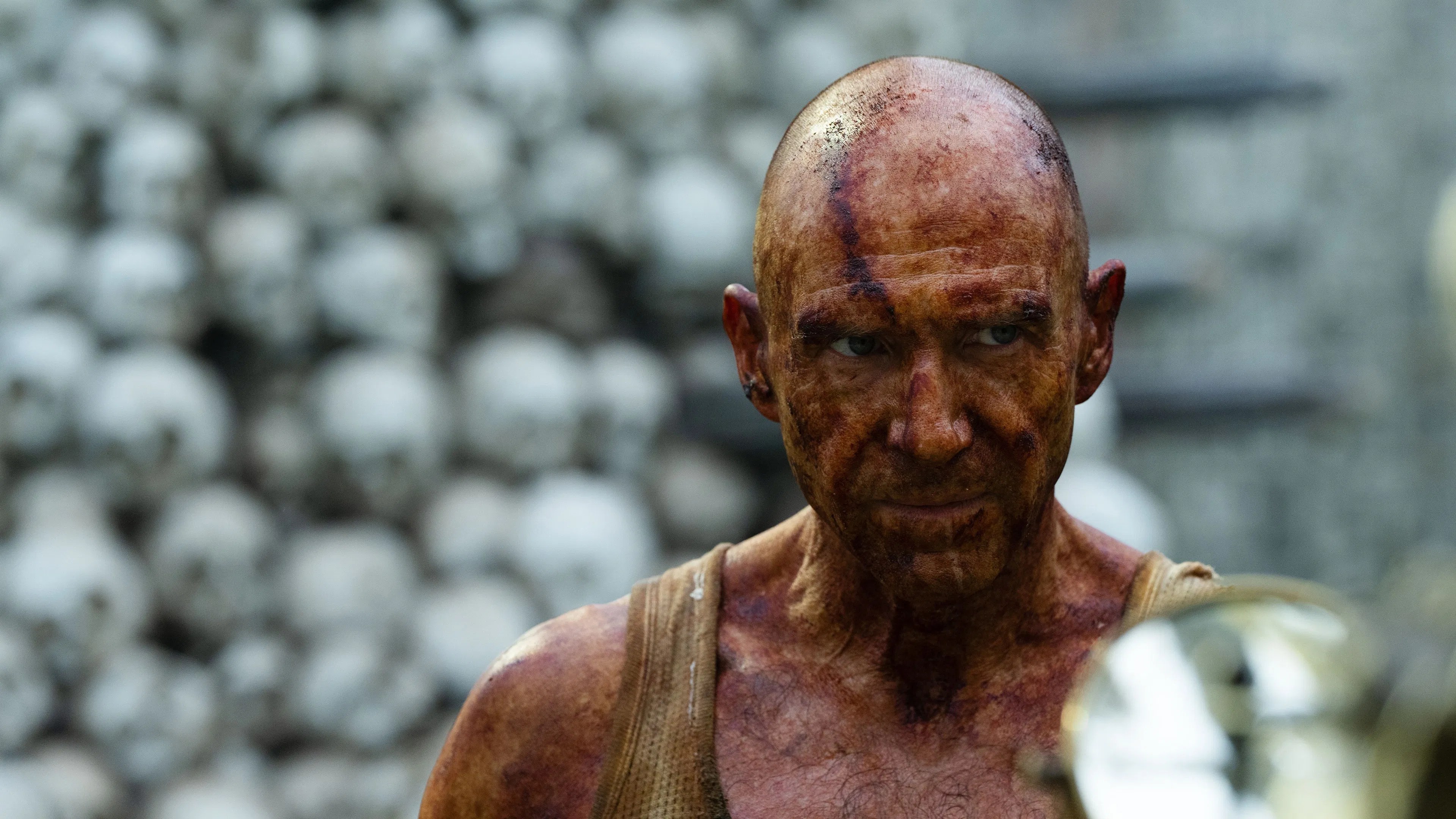
When you are watching a zombie film, you never expect a character whose singular perspective is to carry the torch of humanity and honor the sanctity of death as a part of the human experience to steal the film from the zombies! This sounds too deep and affecting to be something to be injected in a pulpy zombie film…but that is exactly what is delivered by Alex Garland’s script in Danny Boyle’s excellent 28 Years Later. More of a specter for most of the film, Ralph Fiennes’ Dr. Kelson becomes the most interesting character as he grabs the spotlight in the third act. His quirky presence and behaviors make him interesting and memorable to begin with, but it is the rich writing that fleshes this character out. Fiennes delivers a tender, moving, and focused performance that immediately makes Kelson the most interesting presence in the film. There is a softness and warmth from Fiennes that stands out so much in this manic, horrifying environment that makes up the setting of 28 Years Later. There is a lot of exposition and philosophical explorations once Kelson becomes a part of the story, but Fiennes brings a weight to the dialogue and themes that benefits the film so greatly. This might not be what audiences were expecting from the climax of such a film, but Fiennes steals the whole thing with his limited yet resonant performance. Bring on The Bone Temple! (Shane Conto)
Rosamund Pike (Hallow Road)
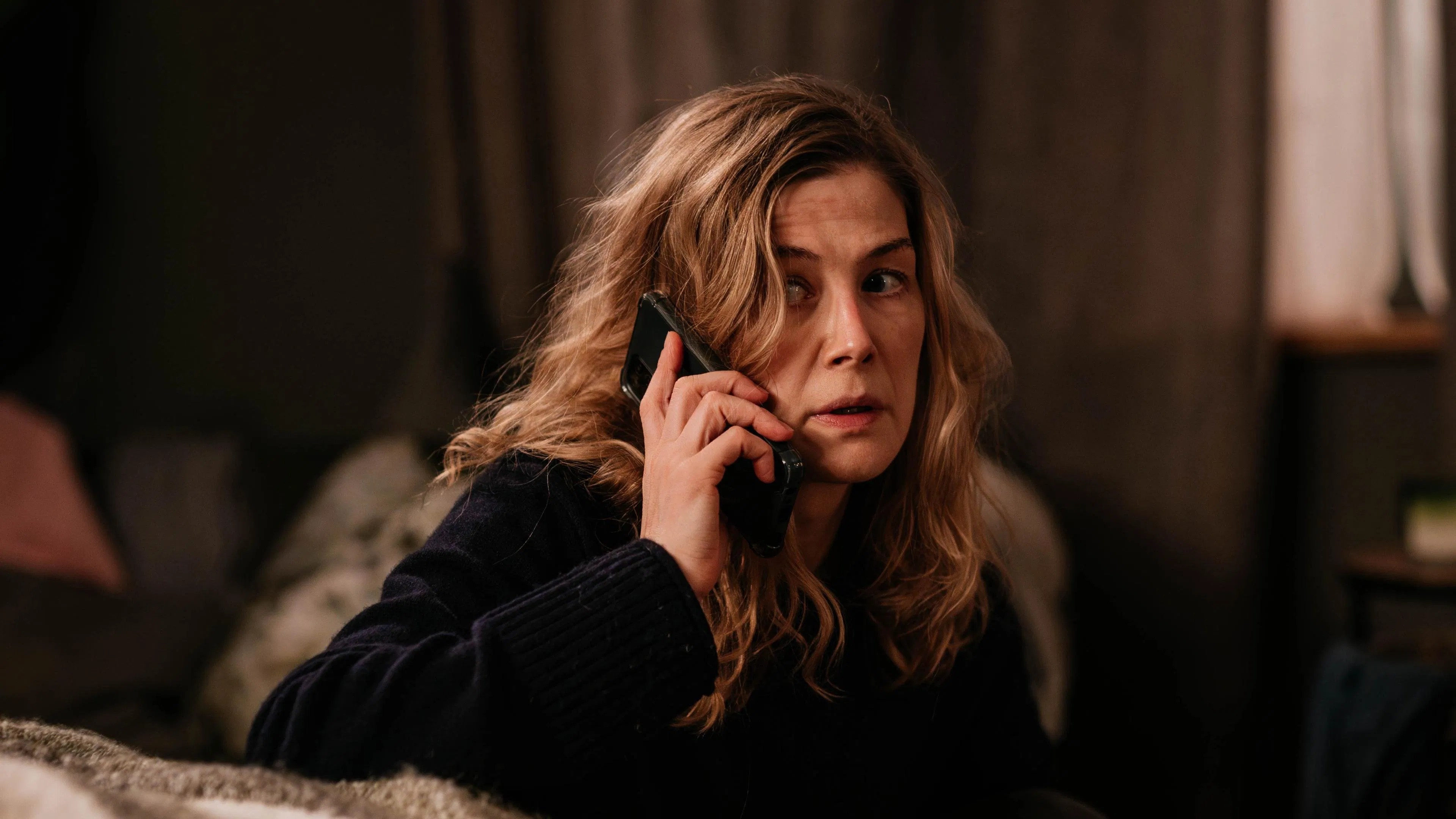
Sitting in my local AMC, I was very excited. The French-Belgian horror flick Vincent Must Die was screening, and I was ready to actually watch it, unlike two years ago when I saw a comprehensive breakdown of every plot point on YouTube. It was only available as a double feature with Hallow Road at the tail end, and though I was left fairly shell-shocked by my intended quarry, it was Rosamund Pike who shone as the highlight of my night out. In the criminally underseen Hallow Road, Rosamund Pike and Matthew Rhys play worried parents driving to pick up their daughter in the middle of the night after having had a bad argument. For nearly the entire movie, Pike and Rhys are the only people we can see, and not once did I view that as a constraint. She makes every expression a vivid playground for us to see the family’s dynamic through, offering refreshing choices at every twist along the metaphorical and literal road. Rhys is no slouch either, and together they create gripping tension, realistic cracks in their relationship, and understandable dependency on one another. Watch this quick 80-minute drama knowing as little as possible. It has the infallible ability to shock and impress, especially when it comes to Rosamund Pike. (Ian Hubbard)
Tim Key (The Ballad of Wallis Island)
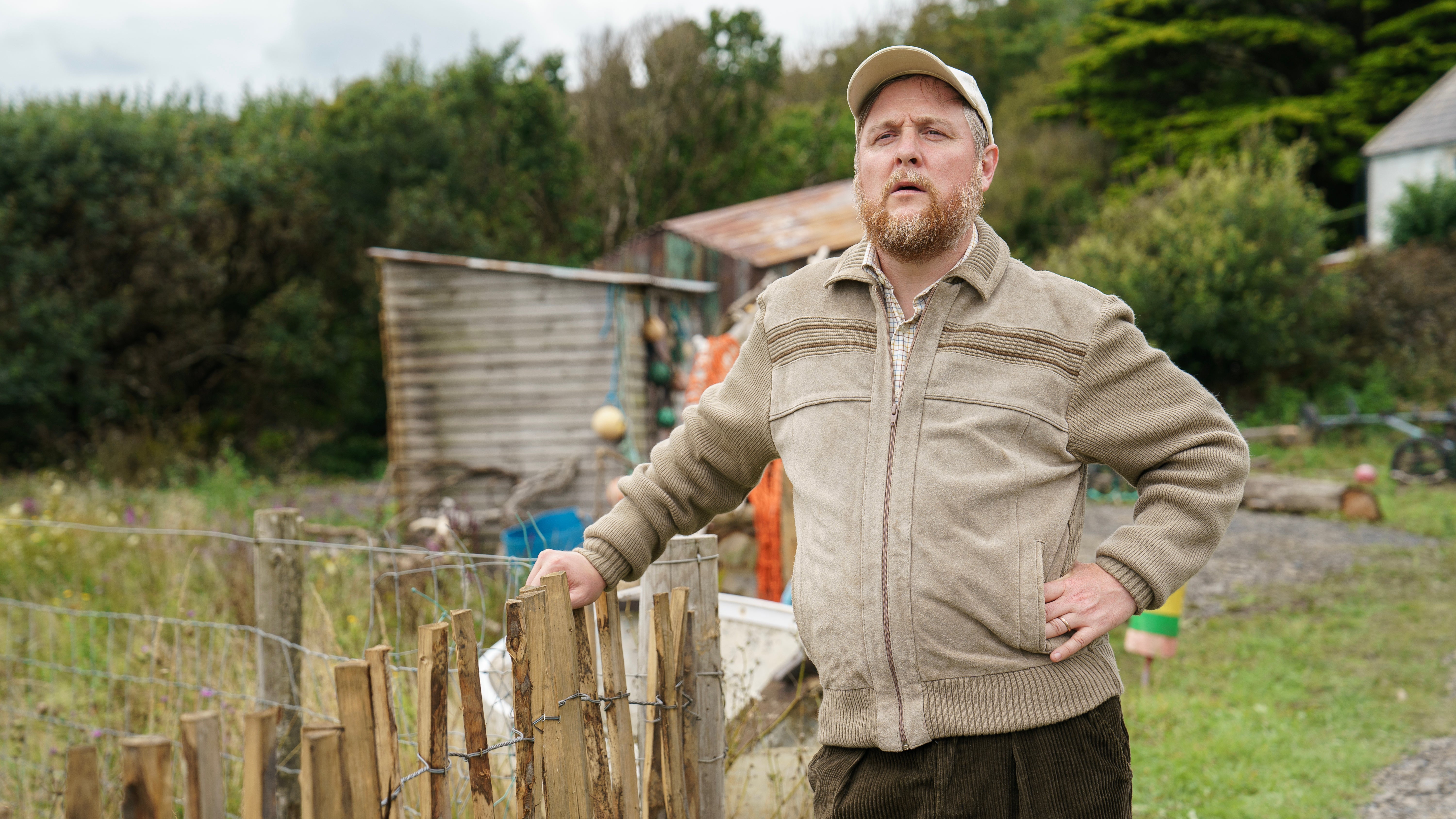
If you have a performance that has stayed with you for 10 months with hundreds of films in the interim, that performance is something special. That is completely accurate for Tim Key and his turn as Charles Heath in The Ballad of Wallis Island. Key’s comedic timing is quite impressive, as almost every line delivery is memorable and makes the character of Charles stand out. His aloof affect and presence makes for an unpredictable and game-changing presence for the film. This unexpected energy shines through, thanks to Key’s fully committed performance. Charles is a flawed character who doesn’t always make the best decisions, but Key makes him such an endearing and empathetic character whose commitment never wavers. Key will most likely not get the support he truly deserves because of this performance, but there are plenty out there calling for his charming and quirky character work to get the recognition. (Shane Conto)
Benedict Cumberbatch (The Thing With Feathers)

Benedict Cumberbatch has an on/off switch. He’s off when he’s the cold, calculating Sherlock Holmes in the BBC’s Sherlock, and the buttoned-up Colonel Mackenzie in 1917. Even as the alien Khan in Star Trek: Into Darkness, he maintains a rigidity of structure. But here, as the nameless Dad, he finally snaps, he is fully on – and it’s as if all his life he has been waiting to move, just for this movie. Based on the 2015 novella Grief Is the Thing With Feathers, Cumberbatch plays a father who has tragically become a widower, and must now raise his two boys alone, which he is woefully ill-equipped to do in his state of loss. This performance is primal, it is urgent, it captures the quietude of grief and also lets Cumberbatch be free to reach the edges of sanity, in all of the loud terror that that can exhibit. Everything I expected from the iconic actor was delivered, that utmost level of control and quality, but my goodness, did he blow me away with his power. His chemistry with his boys (played by Richard and Henry Boxall) is lovely, and with the motion-captured Crow (voiced by David Thewlis) it is intoxicating. Cumberbatch revels in the weird like he’s never done before. The film is an absolute must-see. (Ian Hubbard)
Camille Rutherford (Jane Austen Wrecked My Life)
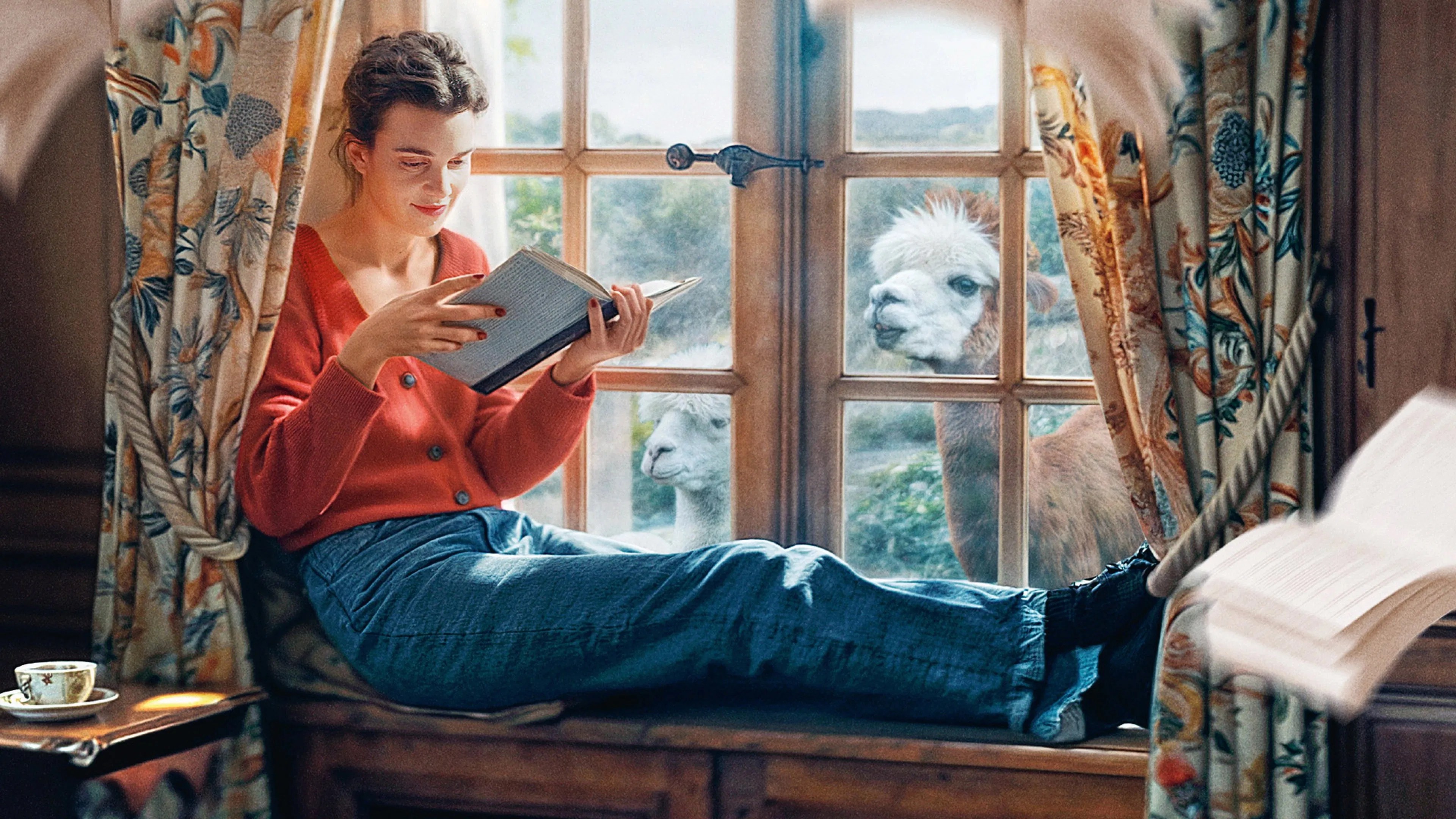
To what lengths will you go to make one of your dreams come true? Some might even go to great lengths to avoid said dream coming true. This unexpectedly conflicting perspective is the foundation for the romantic comedy, Jane Austen Wrecked My Life. Camille Rutherford stars as Agathe, who is invited to Jane Austen’s old home for a writing retreat. A bookseller by day and writer by night, Agathe has a great opportunity to escape from the confusing questions about many of her vulnerabilities. Rutherford’s performance is so significant to the success of this story – Agathe is processing a lot as she attempts to get into that writer’s zone, and Rutherford skillfully channels all the complex feelings inside Agathe’s head. There is a reserved aspect to Rutherford’s approach, but this more reflective performance feels so authentic to Agathe’s experiences. Rutherford injects some charm and alluring elements that allows the audience to buy into her challenging decisions. Because of Rutherford, Agathe stands tall as an engrossing and moving presence. (Shane Conto)

 Knock on Wood
Leave a comment