
Welcome to class! My full-time job is working at a university, and I teach as well. One of my dreams has always been to teach a film class. Taking students through the world of cinema and helping them learn about the art form that I am so passionate about would be an amazing experience. But alas…I teach math. This series, “Lessons from the Wasteland,” is my opportunity to offer readers a curated watchlist to learn through doing (…watching movies). Each film on this list will highlight a filmmaker, sub-genre, filmmaking technique, or significant topic in order to broaden your cinematic horizons. For this month, we have…
Practical Effects
Jason and the Argonauts (1963)
The name Ray Harryhausen is synonymous with the world of stop motion practice effects. He completely changed the game. So many films are known because of his effects work. The 7th Voyage of Sinbad. Clash of the Titans. And of course, Jason and the Argonauts. Harryhausen has created some of the most iconic creatures in fantasy over the years, with the cyclops, the kraken, Medusa, and so many others. Stop motion effects like this started early on with films like King Kong, where they brought Kong and dinosaurs to life. But it was Harryhausen who took the next big stride forward. The use of clay and filmic editing helps these detailed sculptures come to life on screen.
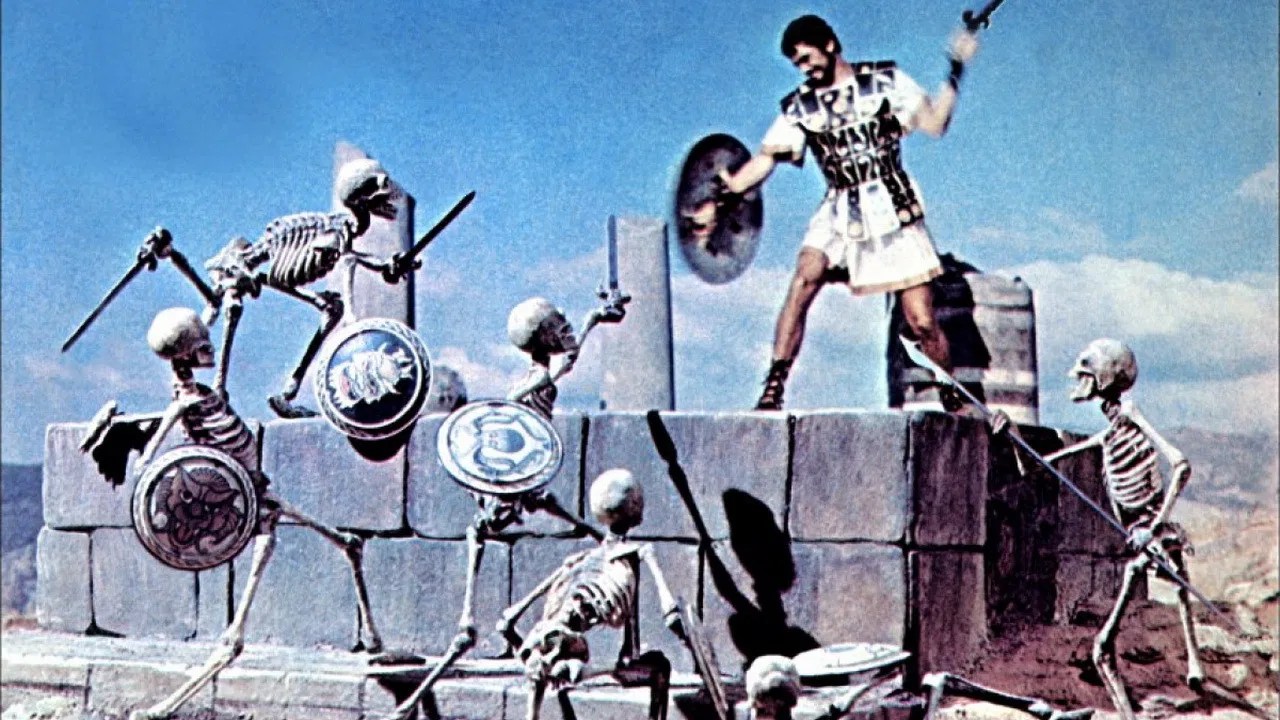
The amount of patience needed to bring these effects to life is wild. For Jason and the Argonauts, the story is taken from Greek mythology and the search for the Golden Fleece. This epic poem is adapted into a Don Chaffey-directed film, which features some iconic elements that are brought to life through Harryhausen’s impressive work. You have three great examples of stop motion in the film, with the first being the Bronze Giant. A statue that comes to life to punish those who attempt to steal treasures, this figure is enormous and created next to miniature sets and layered into the frame with the actors (who are tiny in comparison). There is not a ton of detail with this character, and it moves slowly and simply, but it is still quite an impressive achievement.
The most complex of the stop motion characters has to be the Hydra. This ancient and iconic creature boasts a collection of serpent-like heads that each move independently along with a serpentine body. Finally, the whole climax of the film is an impressive action sequence that combines human warriors with a platoon of skeleton swordsmen. This sequence is miraculous and thrilling. This is a perfect example of just how magical film can truly be. It is one thing to bring a single creature to life for a few shots, but having a whole battle with skeletons that run, swing swords, and stalk the human characters is quite impressive. Harryhausen blew minds with this film, and his work would only continue to dazzle on the silver screen and impress audiences. Steven Spielberg, George Lucas, and Peter Jackson were all inspired by his work, which brought people’s imaginations to life. Dennis Muren and Phil Tippet are a pair of special effects experts who channeled Harryhausen’s influences into films like RoboCop, Jurassic Park, and Star Wars.
2001: A Space Odyssey
How did Stanley Kubrick ever achieve what he did in 2001: A Space Odyssey? This is a film that is a ground-breaking, effects-driven experience. The fact that this film came out in 1968 means they did not have computer-generated imagery to make it work. Kubrick used all the filmmaking tricks up his sleeve to bring this film to life. The most significant element of the film is the iconic monolith that appears throughout the film, which helps life evolve and move forward into the future. The monolith itself is a 1:4:9 ratioed slab of actual granite that is shaped in a way that is literally impossible to appear in nature (from a mathematical perspective). This level of care and thought is just the tip of the iceberg in 2001.
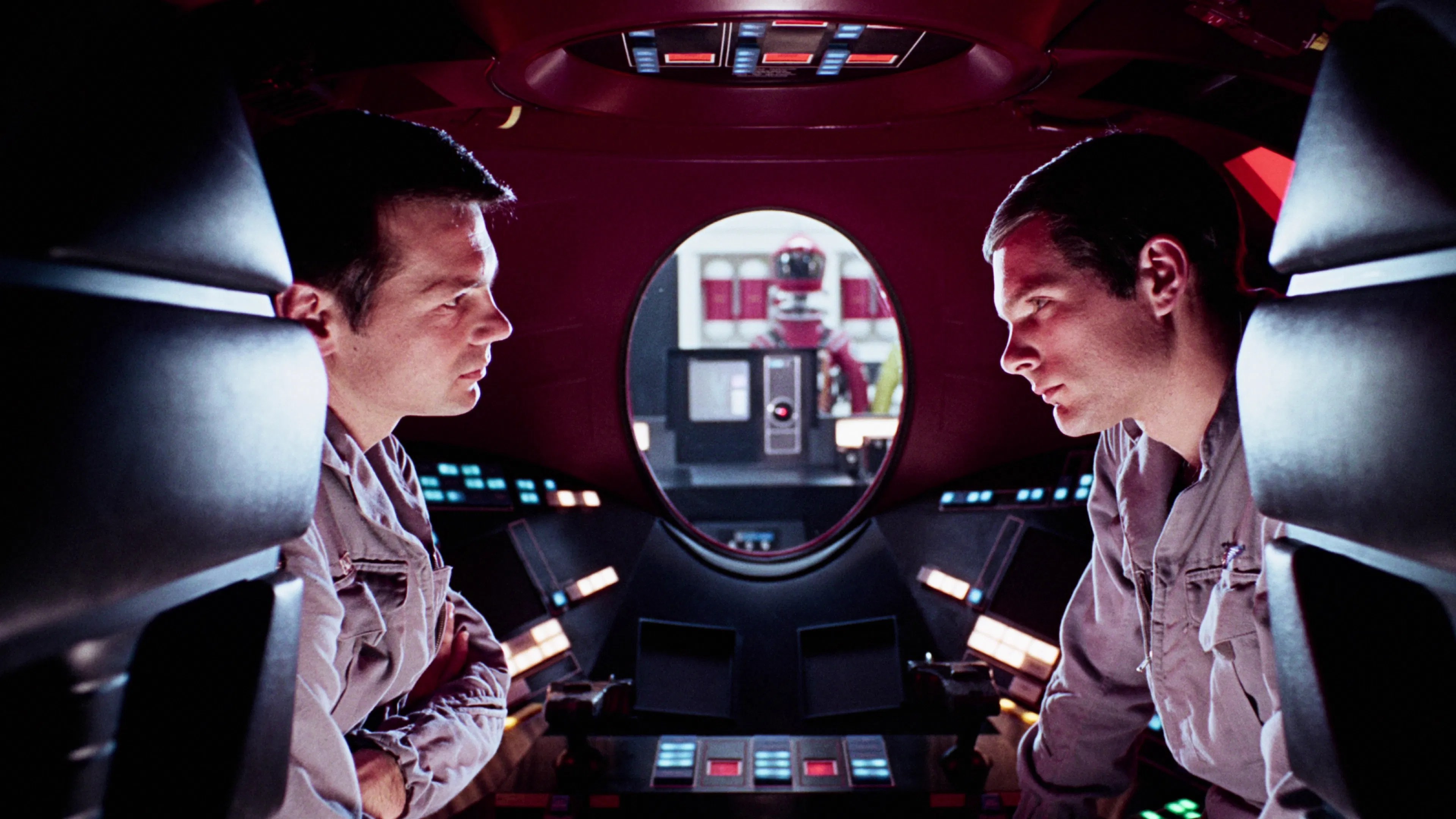
The first sequence, “The Dawn of Man,” is practical with its soundstage setting, people in ape-like costumes, and actual animals. But it is the rest of the film where truly impressive practical effects come into play. You have the waltz through space with ships floating through space (with plenty of great models that look impressive with the amount of detail that went into them). You see things floating around in zero gravity, which feels incredibly authentic thanks to the detailed work done by Kubrick’s team. There are multiple instances of characters walking on walls and ceilings in these spaceships, which are achieved through rotating cameras and sets. The actors are not moving in multiple dimensions….everything else is. There are tablets and video calls, which are achieved through projecting film into the frame of the rolling cameras for those sequences. This might not seem too impressive, but this was revolutionary in the ’60s (which we would take for granted today). As referenced before, there are elements of the story that take place out in space, and the ability to have objects floating in front of canvases made to look like the darkness of space might not be too intricate, but they are clever solutions for seemingly impossible challenges.
One of the most shocking elements of the film that is achieved through practical efforts is the black hole sequence in which our protagonist is shot through time and space while evolving to a whole new level of existence. Douglas Trumbull, the effects master for 2001, leveraged a revolutionary machine called the Slit-Scan Machine. All those incredible shapes and colors were created on glass panes and projected into the machine through backlighting that brings them to life. The camera is moved slowly through the space with an open lens, allowing for full exposure, which brings this effect to life. The strange desert elements in these sequences are achieved through negative shots of normal Earth-bound photographs. What was achieved during the production of 2001: A Space Odyssey was legendary and has allowed this film to age so gracefully over the years.
The Road Warrior
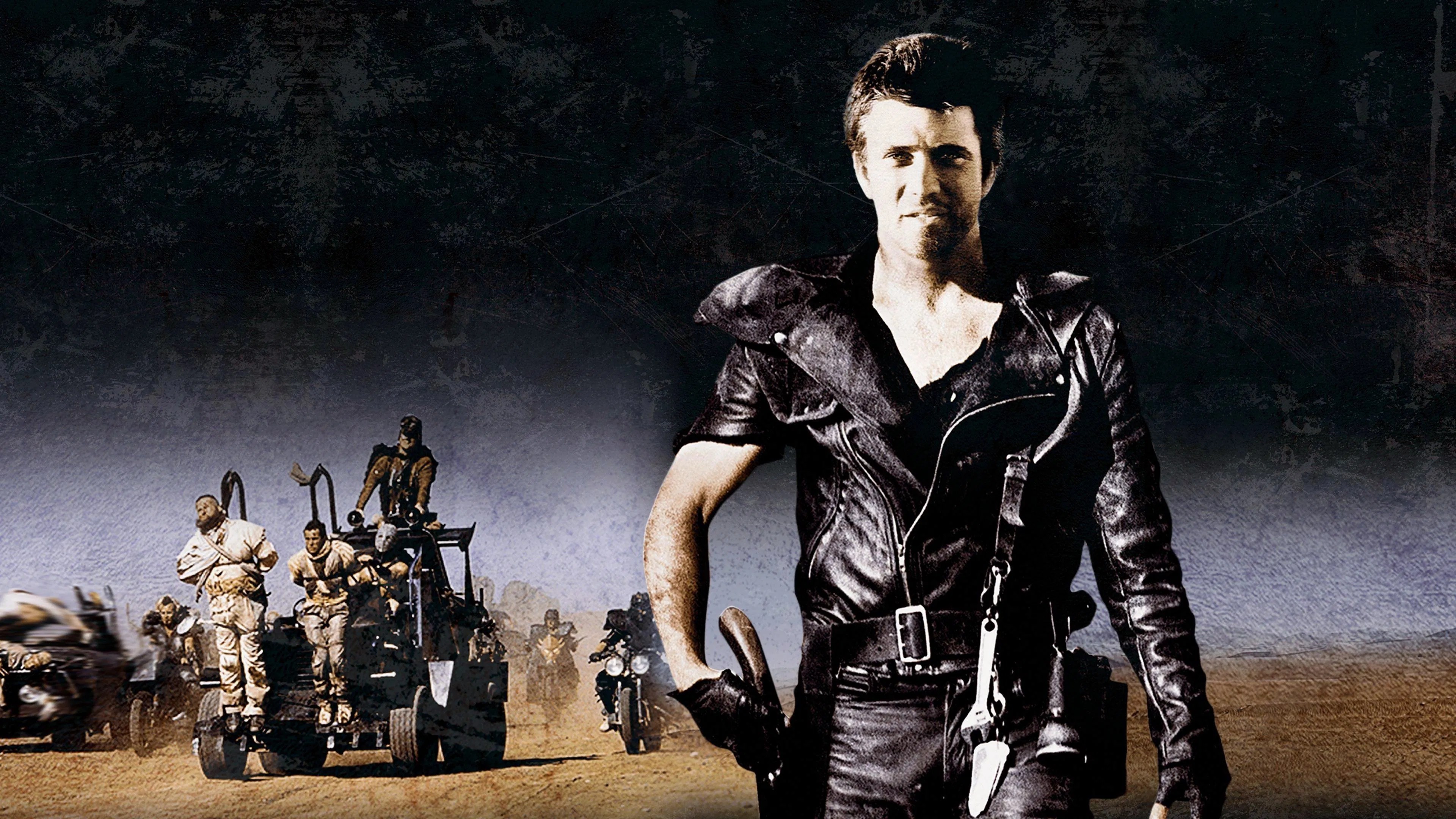
The action genre is one that almost always benefits from practical effects. CGI tends to get in the way of the impact of action sequences – it tells the audience that it’s fake. You don’t want to be lost in a thrilling moment, only to be thrown off by how fake and unrealistic a moment looks. Action films today are quite heavy in the visual effects department, with few franchises leaning into the practical elements and stunts like John Wick and Mission: Impossible. But the action franchise that has consistently kept things uncomfortably grounded with real cars, stunts, and explosions is Dr. George Miller’s Mad Max series. Fury Road used an impressive amount of practical elements mixed with the CGI. But way back in 1981, The Road Warrior wowed audiences with its incredible thrillers and raw adrenaline.
This is a full-blown post-apocalypse world that evolves from the first Mad Max film. The story centers on a loner in the wasteland that is Australia after gasoline and water wars destroyed the world. Society has become centered on vehicles and fighting for the dwindling resource of gasoline. For a film shot in the early ’80s, all of the car chases would have to be fully practical with actual vehicles. The Mad Max franchise is full of destruction derby-type vehicle mayhem, and that is certainly on display in The Road Warrior. There are multiple car chases throughout the film, full of stunt driving, explosions, and dynamic camerawork. But then you look at the final car chase, which is an all-time action sequence in the history of cinema. This sequence focuses on a gas rig flanked by a few protective vehicles with about a dozen wildly constructed vehicles on its tail. Miller incorporates quite a few insane spots throughout the chase sequence. We witness a vehicle on fire (not CGI fire available here). We witness a few stunt people run over. But the biggest, most impressive stunt is the final collision that ends this masterful piece of action filmmaking. Miller crashes a large gas rig straight into a souped-up wagon. The wagon is absolutely obliterated, and the rig flips off the side of the road.
Words cannot describe just how awe-inspiring it was seeing a stunt like this for the first time. Your jaw drops when it happens, and your brain remembers that it had to be practice and real vehicles smashing together. If you want to see the possibilities that a filmmaker can achieve in the action genre with all practical effects…look no further than George Miller.
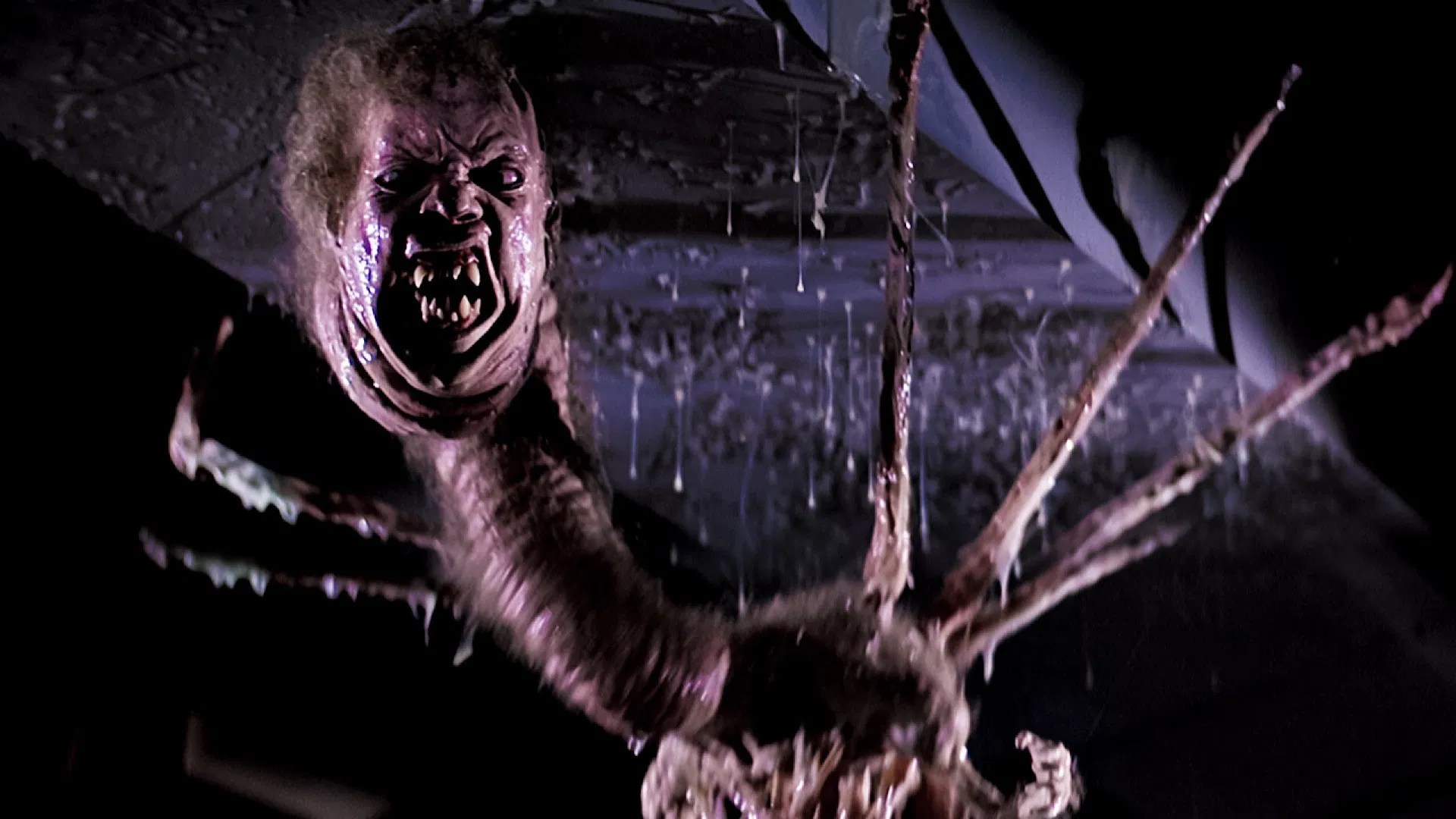
The Thing (1982)
Creatures are some of the most common things brought to life with effects in movies. Monsters. Animals. Horror, science fiction, and fantasy need a lot of special effects to bring such things to life. Today, so many filmmakers and studios lean into CGI to craft such creatures, but back in the ’80s, practical visual effects were all the craze and at the cutting edge. One film that might boast the most detailed, unreal, and impressive creature effects of all time is The Thing.
John Carpenter’s gloriously ’80s science fiction/horror film is an all-time classic. One of the most significant elements of the film is the effects that bring this shape-shifting alien to life. Rob Bottin (at only 22 years old) spent long, insane days bringing all these creature designs to life. We never see this alien in its natural form, but we witness it mid-shifting to look like a variety of human characters and dogs. We first witness the “thing” with grotesque limbs as it is attempting to steal the identity of one researcher at the laboratory. But even more frightening is the sequence where the alien attaches itself to a group of dogs as it slowly morphs into a canine-like creature. Even at the end of the film, they produce a version of the alien that is a towering mass that has tentacles, grotesque human faces, and a giant, warped dog head on top. But there is one sequence in this film that shows just how dynamic and imaginative practical effects can be. The sequence takes place during a thrilling and tense moment where Kurt Russell’s protagonist is questioned by the rest of the team. One of the members drops to the ground with an apparent cardiac episode. But what is truly wild is when the doctor attempts to connect defibrillators to his chest. With terrifying effect, his chest opens up like a mouth with giant razor teeth, which chomp down and bite off the hands of the doctor. This giant mouth is so detailed and horrific to look at. If that wasn’t horrific enough, the head of this corpse rips right off, turns into a spider-like creature, and starts WALKING AWAY. This is one of the most deranged and demented creatures ever brought to life. The way it slowly scurries away with its spider limbs, its creepy eyes growing from it, and the deformed face that is still a part of it.
If you just sat and perused all the wild designs that this team came up with, you would fail to witness all the greatness produced by Bottin and his team of specific effects. So detailed, impeccably designed, and impressively realized, the creature(s) in The Thing are some of the most impressive ever put to film.
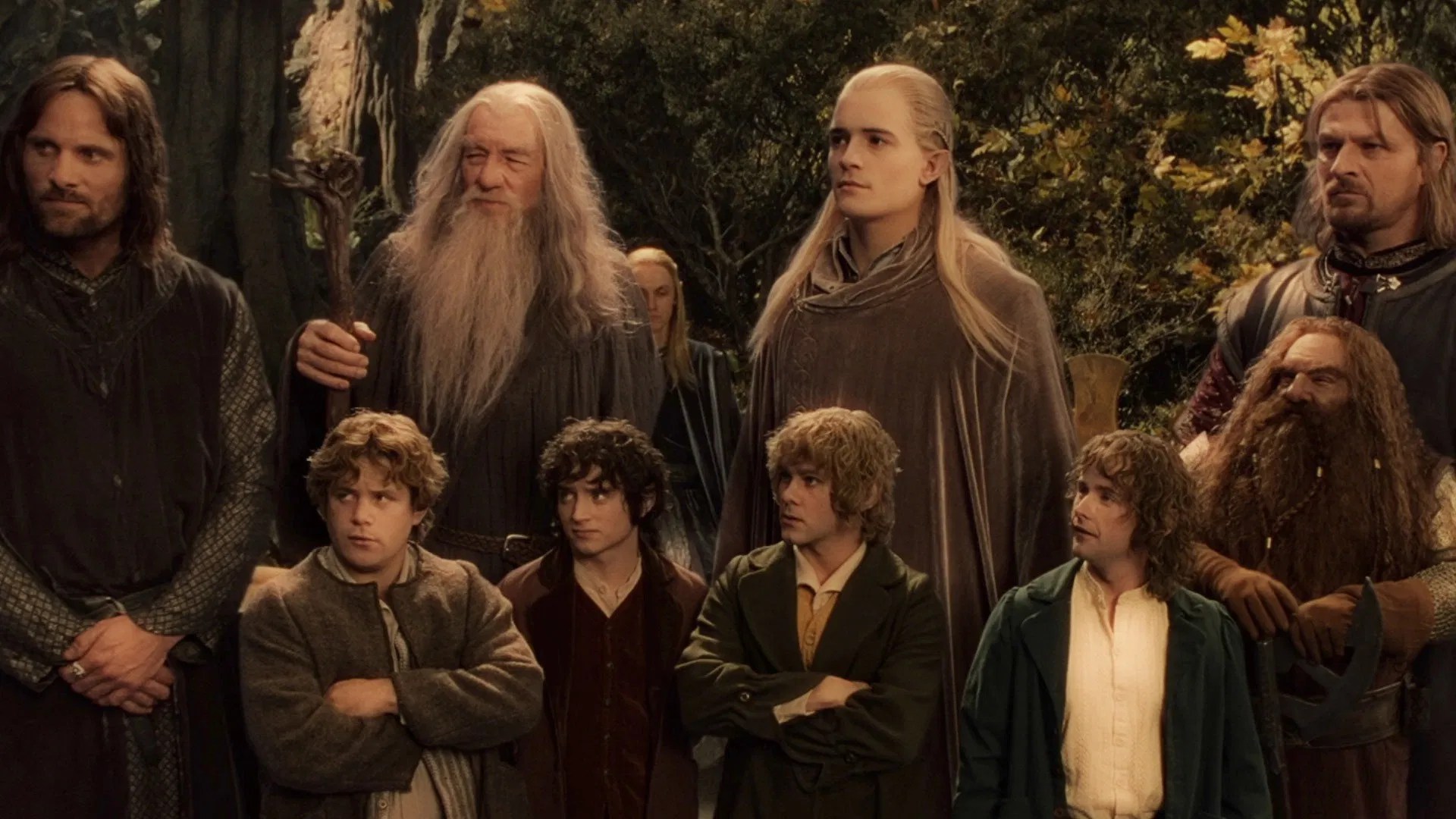
The Lord of the Rings: The Fellowship of the Ring
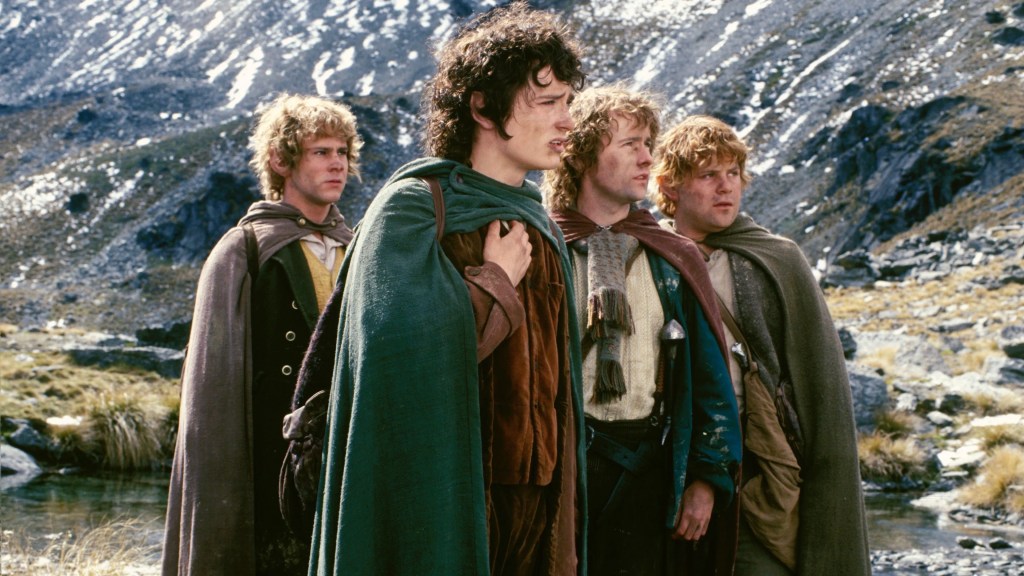
When you have a whole new world to bring to life on the silver screen, you need a lot of material, resources, and approaches to make that happen. Director Peter Jackson was saddled with the task of bringing J.R.R. Tolkien’s classic series to life and make Middle Earth feel real on screen. There is a wide range of different creatures that need to come to life, as well as a range of filmmaking techniques that need to be utilized to tie it all together. There will be more space in future articles to fawn over make-up, which is certainly leveraged to its fullest in making endless orcs, goblins, and more. But there are so many bits of “movie magic” that are utilized to make this film work.
One of the biggest challenges in adapting The Lord of the Rings to live action is the fact that multiple of the core characters are hobbits and dwarfs who are not regular-sized beings. To execute the effect on-screen, there is a single option that is complex but incredibly effective: forced perspective. Manipulating the depth of range in a camera lens can do wonders in creating something special. When you have an actor like Ian McKellen portraying Gandalf the Grey (playing his real height) and Ian Holm portraying Bilbo Baggins (a hobbit) in the same frame, you need to find a way to make that work. If you elongate a table that they are sitting at with McKellen closer to the camera and Holm at the back, you can create the illusion of differing sizes. This trick is utilized plenty throughout the film. There is an intimacy and authenticity when you see the two actors in the same frame without the CGI. There are some other fun ways they bring the Hobbits to life in wide shots, like having children dressed up as the actors. But the forced perspective is quite extraordinary and effective. Miniatures are another big part of the film. Many of the cities, including Minas Tirith (which is only briefly seen in The Fellowship of the Ring), are produced in-camera with miniatures, which gives them so much detail and a tactile look. It helps build the cinematic illusion. One of the reasons The Hobbit just didn’t hit the same way is the lack of practical effects that ground the audience.
Also see: Alien, Star Wars, The Fly, An American Werewolf in London, Blade Runner, Total Recall (1990)

 Knock on Wood
Leave a comment