
Welcome to class! My full-time job is working at a university, and I teach as well. One of my dreams has always been to teach a film class. Taking students through the world of cinema and helping them learn about the art form that I am so passionate about would be an amazing experience. But alas…I teach math. This series, “Lessons from the Wasteland,” is my opportunity to offer readers a curated watchlist to learn through doing (…watching movies). Each film on this list will highlight a filmmaker, sub-genre, filmmaking technique, or significant topic in order to broaden your cinematic horizons.
Editor’s Note: Yes, this is late. Please enjoy two Lessons this month!
For this month, we have…
Anime
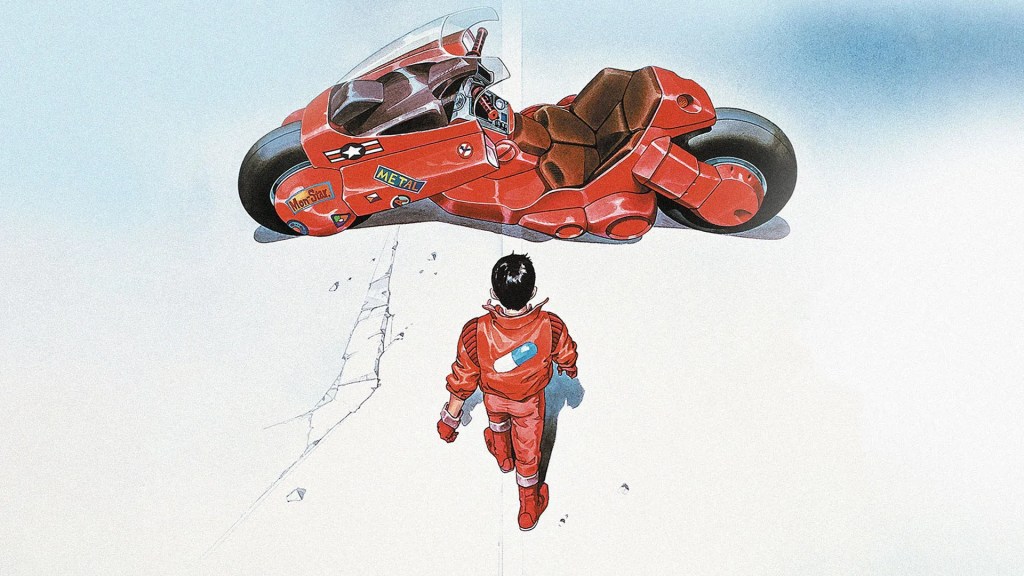
Akira
The Japanese style of animation started making an impact in the ’60s and ’70s, but it was the ’80s when the cinematic anime made its greatest strides. There are so many great filmmakers, from Hayao Miyazaki to Mamoru Ishii to Isao Takahata, who delivered great anime tales in this decade and some of them would go on to continue to make great films into the future. Anime was in an evolutionary period, with Studio Ghilbli and others working to define what the medium would truly be. Anime has soared to great heights over the 30 years since the ’80s wrapped, but there is one film that truly shaped the future of this storytelling medium: Akira. This masterful science fiction/fantasy film from legendary anime auteur Katsuhiro Otomo is a towering achievement in animation and storytelling. Akira is the prototype for the visual language for most anime from the ’80s and ’90s.
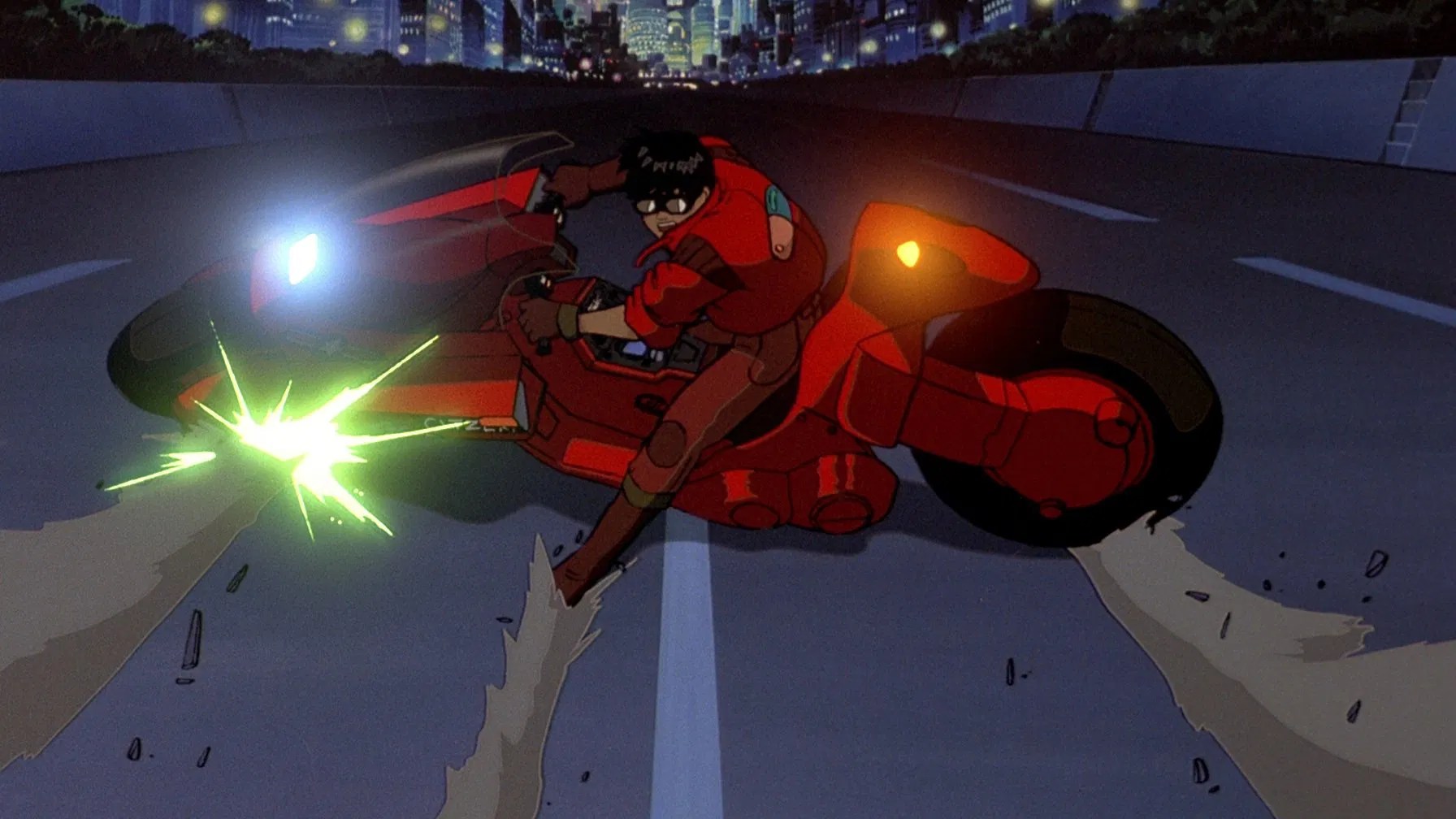
The way that Otomo leverages light is quite striking and engrossing. The way the light is rendered is quite dynamic with few films being about bringing the sky beams of light and neon lights of the city make for some of the boldest visuals in film. The cyberpunk aesthetics that Otomo created have become so iconic and influential for many other dystopias and futuristic genre films over the last few decades. The motorcycle lifestyle of the main characters opens the door for cool aesthetics and action set-pieces that wow the audience. Otomo delivers some of the most gripping and intense action in all of film history, period (not just animation). The way that the action is captured “in camera” is dynamic and full of tension. There is also a wide range of shootouts, motorcycle chases, and a psychic powered battle in the wild and unhinged finale of the film.
Akira is also quite famous for its genre-bending elements that blend dystopian science fiction, cyberpunk aesthetics, action, and fantasy (especially as it leans into the psychic powered mutants that become a larger part of the narrative as it progresses). The whole aesthetic of the film is elevated and evolved by the striking and haunting score by Shoji Yamashiro. Aetherial and bold in many instances, this is an otherworldly composition that accentuates the more bizarre and bold elements of the film. The surreal and abstract character designs that we witness in the climax of the film shows just how fluid and bold the creative vision that Otomo possesses is. But most importantly, there is a core human story here that is rich in emotion and empathy for the friends on opposite ends of this conflict.
You see the influence that Akira has had everywhere, with the narrative of Chronicle, the homages in Nope, and many of the aesthetics of The Matrix. Akira is a bold and challenging film, but it’s also a great place to start in any dive into anime.
Ghost in the Shell (1995)
Ghost in the Shell is a miraculous feat of filmmaking, animation, and storytelling that is rolled up into such a compact and manageable package. For a film that is only 83 minutes long, filmmaker Mamoru Oshii is able to pack so much into it. It’s a layered and complex film that speaks so powerfully to the world we exist in today. Artificial intelligence is such a hot button issue in today’s societal landscape that it is fascinating to dive into this film and explore it through this striking, futuristic rendering of Japan.
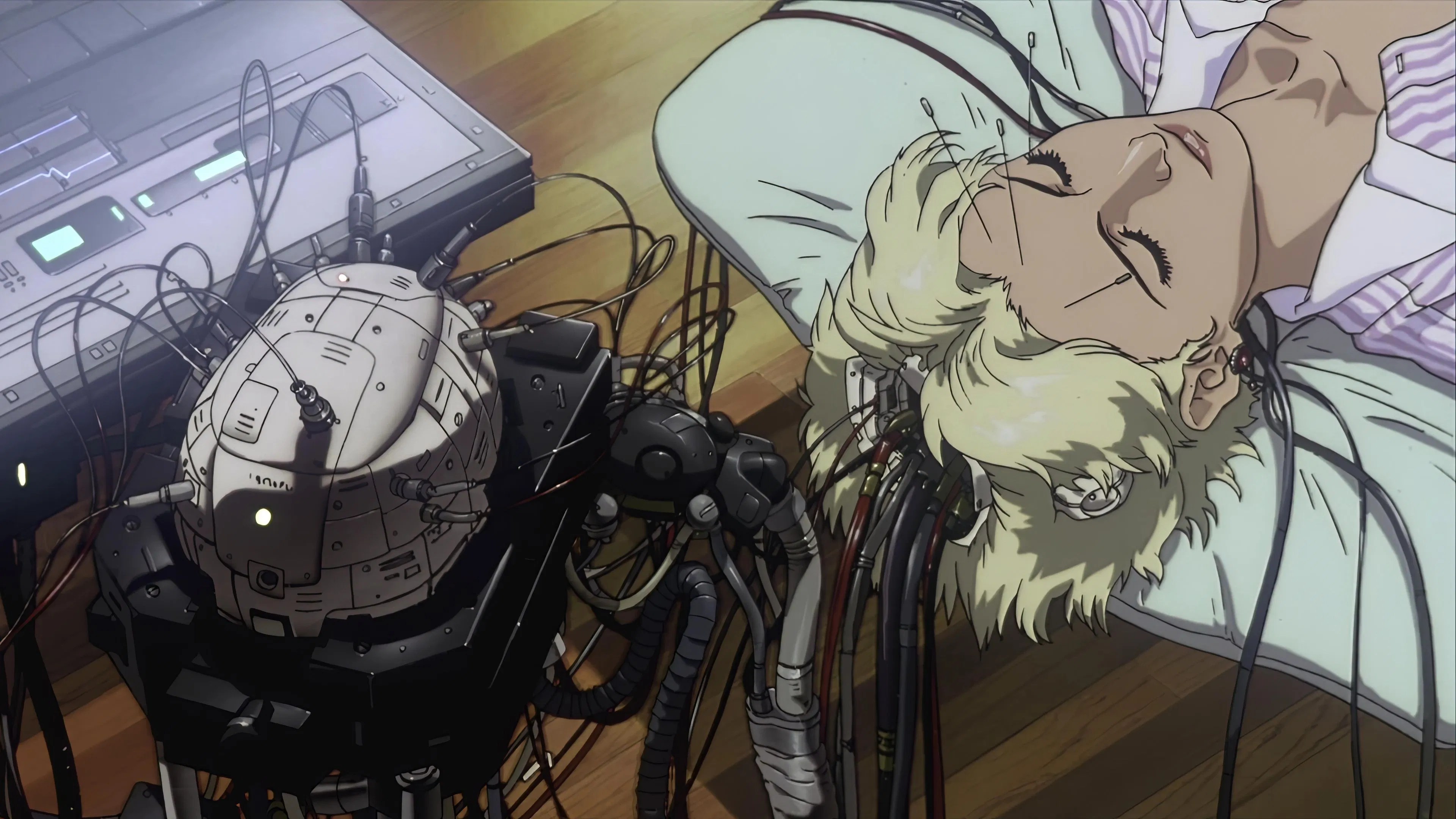
In the same vein as Akira, Oshii leans into the cyberpunk feel to craft such an engrossing, compelling, and challenging experience. Looking at the visuals of the film is enough to make this such a worthwhile experience. Whenever the film cuts to computer screens or inside the technology itself, you witness bold and striking renderings of code and the inner workings of the computers in the film. For a film filled with cybernetic organisms, that becomes such a powerful focal point. The striking visuals of the cyborg policewoman’s body is sensual, striking, and haunting all at the same time. What accentuates these sequences and plenty more in the film is the powerful, bold, and aetherial score from Kenji Kawai. There is an epicness to the compositions that gives the film scale and stature. The action sequences are thrilling, well-staged, and dynamic. The use of cloaking technology in some of the fights is quite thrilling, and exciting crafting some of the most iconic imagery in anime and film in general.
The thematic work is quite rich and compelling, as Ghost in the Shell navigates identity, purpose, and artificial intelligence. Having a cyborg protagonist puts the audience in a unique position to process the moral ambiguity of the film. The Puppet Master is a compelling antagonist who leverages technology for their mission (rooted in hacking). The way Oshii navigates technology and the complexities of how humanity uses it gives the film depth and a timeless feel. There is plenty of mystery and intrigue wrapped around this narrative and cyberpunk world, which is the cherry on top of an already satisfying and unforgettable cinematic experience.
Perfect Blue
Satoshi Kon, one of the greatest anime filmmakers of all time, pushed boundaries with his dark and twisted drama, Perfect Blue. Unlike the previous two films on this list, we are not diving into cyberpunk futurism. Perfect Blue is a contemporary thriller that explores the experience of a big music star who is taking the leap into the work of acting. Being extremely famous opens the door for many perils in this megastar’s life: Stalkers. Exhaustion. Psychotic breaks. Kon drenches his audience in dread and fear for 82 minutes as he explores this thrilling journey while exploring abstractions in storytelling.
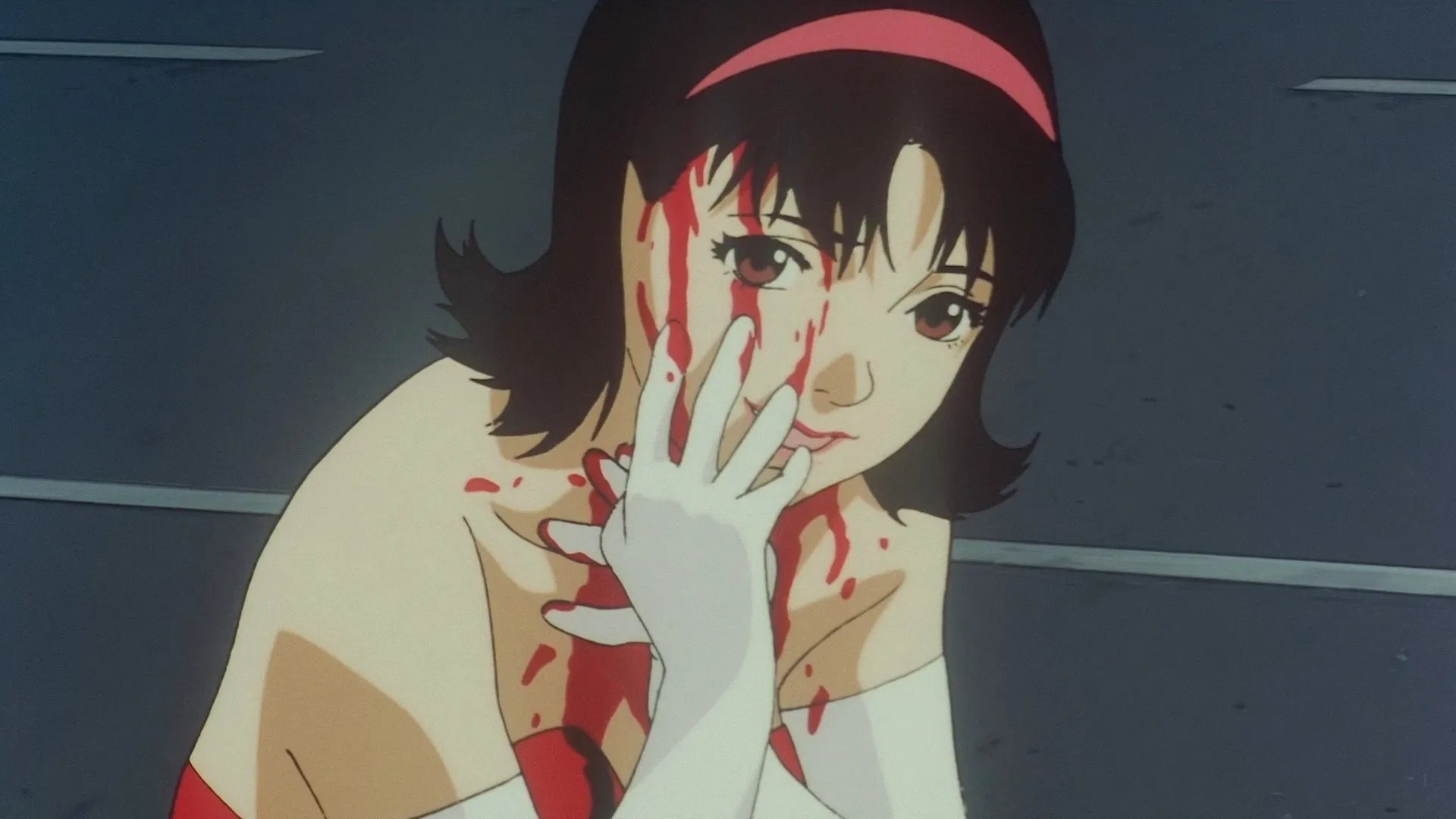
For a film that is only 82 minutes long, Perfect Blue engrosses you and allows you to poke, prod, and explore this haunting tale. From a visual stand point, the hues of blue tints and lights gives the film a specific feeling while accentuating the urban setting of the intriguing mystery. There is plenty of haunting imagery throughout the film including a deeply personal and intimate frame of Mimi at her most vulnerable. In one deeply disturbing sequence, Mimi shoots a sexually explicit sequence in the new film she is starring in. The POVs and lighting allow this scene to bury underneath your skin and shake you to the core. As the film goes on and reality begins to shatter for Mimi, Kon leans into the abstract and comes up with some of the most striking visuals you are going to see in animation. The abstract nature of the film allows Kon to expand the limitations of this anime approach to storytelling as the audience (and Mimi) are forced to process the fraying ends of sanity.
The climax of the film is haunting, dynamic, and intense. Kon’s film will leave you with questions and things to process about Mimi’s journey and her trauma. The exploration with parasocial relationships and stalking is intense, haunting and deeply relevant. The advent of social media makes Perfect Blue even more intense and haunting, as the themes have evolved so much over the years. The way that Kon blurs reality, fragments memory, and incorporates hallucination is quite palpable and poignant.
Filmmakers like Darren Aronofsky have channeled this visual storytelling to explore similar themes in their own films. Black Swan and Requiem for a Dream channels similar approaches to visualization as they explore the same divide between reality and hallucination. Perfect Blue is a great example of how animation can be leveraged to explore deeply mature themes. The creativity in storytelling that is on display here is masterful, and Kon’s legacy continues to thrive today.
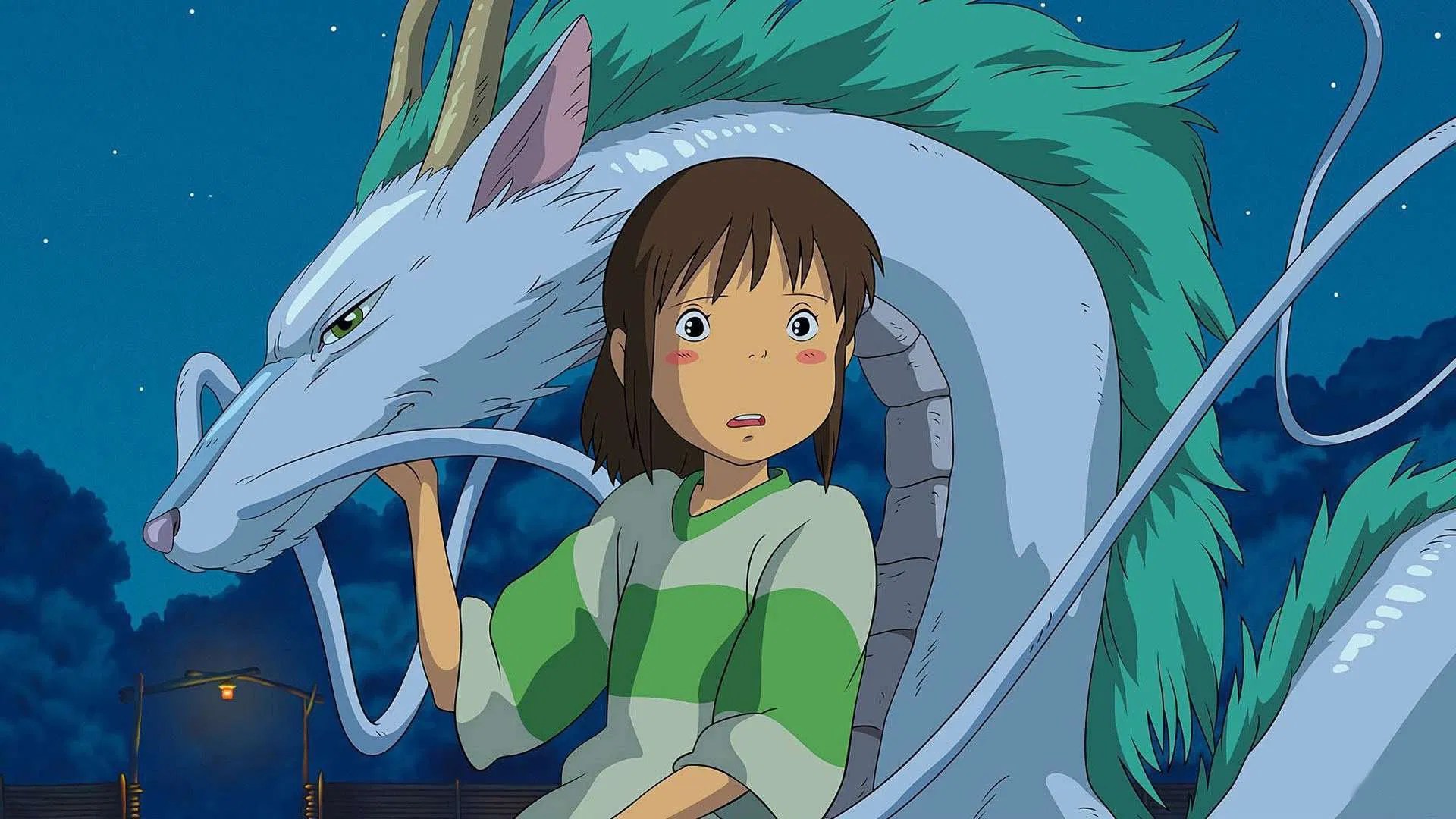
Spirited Away
Most people’s first dive into anime is from Studio Ghibli, most of which were directed by Hayao Miyazaki. His legacy will be one of the most acclaimed and beloved in the history of film when all is said and done. Miyazaki’s work has become a defining benchmark for anime, animation, and the fantasy genre. The films discussed so far in this lesson have leaned heavily into mature themes and tones making them animation for adults, but Miyazaki’s work is the purest form for children to explore meaningful themes in wondrous worlds.
Few filmmakers have ever had such an amazing grasp on fantasy storytelling, but his crowning achievement is the Academy Award-winning Spirited Away. This film has one of the most wondrous and engaging fantasy worlds ever put to film. The visuals that Miyazaki has created in all of his films are absolutely gorgeous but Spirited Away is one of the most impressive. The rich colors pop off the screen. The incredibly beautiful rendering of Japan, the countryside, and the central bathhouse are just so awe-inspiring. The rich details and textures make it feel so incredible. The characters and creatures are so imaginative and build off of Japanese culture in so many amazing ways. There are so many iconic characters that have transcended this film and made an impact in pop culture. No-Face is the most iconic with the haunting visage of a ghostly body and the white mask. The little Susuwatari are genuinely cute with their little soot bodies. Haku, in his dragon form, is striking and majestic. Anime is infused with so much Japanese culture, and Miyazaki brings that all to life with vibrance, passion, and care.
Spirited Away is a classic fairy tale with its morality and life lessons. Chihiro’s parents are turned into giant pigs due to their gluttony and greed. Her journey is a result of this twist of fate and she must work in this grand bathhouse surrounded by fantastical creatures and beings. The film is jam-packed with fun characters, exciting moments, and plenty of heart. The sequence when Chihiro and company clean that giant spirit in the bath is amazing to witness as it comes to life in gorgeous animation. The music from acclaimed composer Joe Hisaishi is absolutely beautiful, as it fills the cinematic experience with emotion and a grand sense of wonder. Few films capture the sense of wonder that fantasy has to offer and it is the gold standard for the genre. There is a reason Miyazaki is one of the most beloved filmmakers in cinematic history.
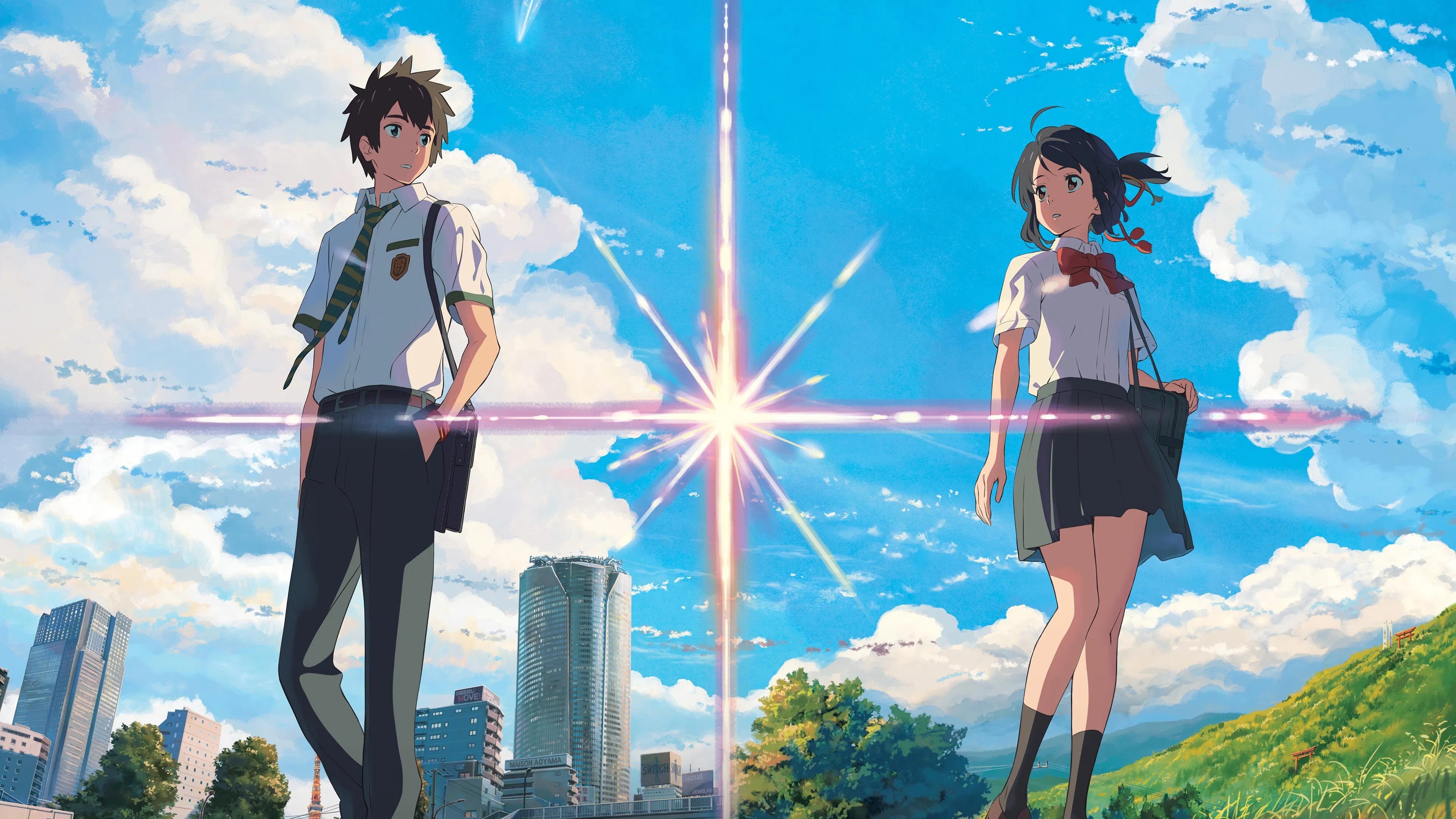
Your Name.
Makoto Shikai has become the biggest name in anime filmmaking over the years, as he has advanced anime from a visual standpoint as well as a storytelling one. Hand-drawn, 2D animation was the primary force that brought anime to prominence, but filmmakers like Shinkai have been able to explore the genre in new ways through his bold, vibrant animation in 3D style. But there is also a more modern sensibility to his films as well. Shinkai mixes that modern sensibility into stories for and about teens and young adults (a differing demographic from the other selections here) as well as injecting a twist of contemporary fantasy into his stories.
The crowning achievement he has so far in his career has to be Your Name. This contemporary fantasy finds two teenagers, a young man and woman, switching bodies after a connection is developed between them. A well-executed body swap story makes for a compelling watch, and Shinkai’s ability to mix a fantastical story with a deeply humanistic story about your high school years is quite impressive as this is not an easy feat. You get some of those expected beats of a man and woman switching bodies, but there are added layers of complexity and humanity that deepens the experience and makes Your Name. stand out in the realm of coming-of-age stories.
Their journey to find each other and find their ways back into their own bodies while this comet flies over their home becomes increasingly epic and powerful. Shinkai has such a powerful handle of his craft as he injects scale and emotion to impressive levels in his work. When you watch one of his films, you feel the power of cinema bursting from his finger tips. The modern sensibility of anime music roaring into scenes with big energy which matches the big emotion being shown on screen.
Your Name. has a killer soundtrack and score that electrifies the experience of something so mundane. Not only that but Shinkai leverages striking visuals in such powerful ways to hit his audience with a tsunami of emotion. The visual in Your Name. are so impressive with the character designs feeling so rich and vibrant. The cityscapes look so striking and powerful. The country is so gorgeous and rich. The comet is brought to life with so much color and vibrance that it is hard to ignore. If you want to find a film that channels all that is great in modern anime…look no further than Shinkai’s Your Name.
Also see: Princess Mononoke, My Neighbor Totoro, Paprika, A Silent Voice

 Knock on Wood
Leave a comment