
Welcome to class! My full-time job is working at a university, and I teach as well. One of my dreams has always been to teach a film class. Taking students through the world of cinema and helping them learn about the art form that I am so passionate about would be an amazing experience. But alas…I teach math. This series, “Lessons from the Wasteland,” is my opportunity to offer readers a curated watchlist to learn through doing (…watching movies). Each film on this list will highlight a filmmaker, sub-genre, filmmaking technique, or significant topic in order to broaden your cinematic horizons.
For this month, we have…
Stop-Motion Animation

The Cameraman’s Revenge (1912)
When you think of stop-motion animation, you most likely think of dolls or clay or other figures that are put into motion to bring a story to life. There will be plenty of time for that…but for one of the most iconic, original stop-motion films, you have to look at the work of Russian filmmaker Wladyslaw Starewicz. This man is one of the two most influential animators at the dawn of the medium (up there with Walt Disney). Obviously, Disney has gotten most of the praise and focus over the years, but Starewicz was the true pioneer of stop-motion, a beloved animation style that has been around since the 1900s. His most influential and iconic work is The Cameraman’s Revenge, which took quite the bold approach by using insects as the characters that are reanimated for the story. This probably sounds weird…and a bit morbid, but it is a fascinating choice and gives The Cameraman’s Revenge such a distinct and unique feel to it.
You might expect one of the first stop-motion films in cinematic history to be a story geared towards children, but this film certainly is not that…Adultery. Voyeaurism. Blackmail. This is a twisted thriller that finds Mr. Beetle cheating on his wife with the ex-girlfriend of a professional cameraman, who leverages their skills to record this intimate affair. This is a provocative tale for so early in cinema, let alone a film where all the characters are portrayed by reanimated insects. But the amount of effort that Starewicz had to put into this work is most impressive. Stop-motion is an approach for those with the most patience as a 12 minute film like this could take longer to produce than a feature length drama. The narrative is kept condensed, but not to the detriment of the film.
This micro-narrative has compelling elements that keep you guessing on the fate of the protagonist which makes for an effective enough story, but the technical prowess of the piece makes it stand out and stand the test of time. Few filmmakers would have imagined to do something quite like this (especially over 110 years ago). This might not be the most beloved or most popular stop-motion film on this list but it just might be the most impressive for the scale and period in which it was created.

Rudolph the Red-Nosed Reindeer (1964)
There are plenty of great examples of more mature stop-motion films (Mad God being an especially mindblowing achievement) but stop-motion is leveraged most commonly in family-oriented entertainment. The quality of a piece does not necessarily dictate the staying power of a film, either. There is one group of creators who truly defined how society would be introduced to stop-motion. Two names…Jules Bass and Arthur Rankin, Jr. These two visionaries knew what they wanted to do and just how they were going to do it.
Rankin & Bass are the names attached to some of the most beloved holiday films. If you are an American, you mostly likely watched at least a few of their films growing up around Christmas and wintertime. Most of those stories were brought to life with the magic of stop-motion animation, including The Year Without a Santa Claus and Santa Claus is Comin’ to Town. These beloved films helped younger generations fall in love with the holidays. But Rudolph the Red-Nosed Reindeer has made the largest and most impactful impression.
Rankin & Bass leveraged the labor and craftsmanship of MOM Film Studio in Japan to complete the actual animated elements of the films. This was a cheaper option for them (and you will certainly notice some of the shortcomings through your red-tinted nostalgia) but it was an efficient way for them to make these TV specials and keep delivering them for years. You don’t watch Rudolph for the impressive and dynamic stop-motion, but that same stop-motion gives Rudolph so much of its personality. The world is extremely tactile, with interesting textures of the materials that make the fur and clothing of these characters come to life. The designs have become so iconic and live on in the minds of countless viewers, no matter their ages.
The film is even more charming thanks to the wonderfully fun voice cast. Burl Ives is a wonderful addition to the experience with his cool and charming turn as Sam the Snowman (our narrator). Larry D. Mann crafts the most memorable character with Yukon Cornelius, the prospector with a soft spot for silver and gold. The iconic theme song ties this lovely experience together. This might not be a film to study for the immense craft of stop-motion, but it is still worth its merits due to the passion and heart that went into making it come to life.

A Grand Day Out (1989)
Clay is one of the most common and recognizable materials used to create stop-motion animation, so much so that there is a word for it: Claymation! There is so much that you are able to do with clay in terms of morphing and molding it to create iconic characters. Think the Raisins, Gumby, and Mr. Bill. But there is a pair of characters who have become synonymous with this approach to animation and their names are Wallace and Gromit.
Aardman Animation is one of the most important animation studios, period, but their work with stop-motion is iconic and at the forefront of that specific approach to animation. They created enduring properties like Chicken Run and Shaun the Sheep, but it’s Wallace & Gromit that has risen Aardman to the peak of stop-motion. The creative force that is the combination of Nick Park and Peter Lord is incredible. Park took the reins and the pen to craft this duo’s first outing, A Grand Day Out. When you look at the animation, you can tell this was early on in Aardman’s journey to refining this wonderful series. You can tell with their most recent effort, Vengeance Most Fowl, that they had refined their animation after decades of trial and error.
One of the most charming elements of these early works is that it looks unrefined from a character standpoint. Wallace is a tad awkward in his structure, which was slowly smoothed out over time. You can also see those fingerprints in the clay at points which gives the film an extra tactile feel. The outfits are so great as you can certainly see the handmade detail of them on the characters (mostly Wallace).
For a franchise that has so many fans and has captured the attention of audiences for decades, these early short films needed to accomplish something truly special. That is exactly what you get from A Grand Day Out. First of all, this sets the stage for who these characters are. Wallace is an inventor with all types of strange ideas and cockamamie endeavors. Peter Sallis injects plenty of personality into Wallace as he is a refined yet aloof Englishman. The silent yet crafty Gromit is his pet dog who is certainly the brains behind the operation. His problem-solving skills and resilience make Gromit such a beloved pooch. In A Grand Day Out, Poor Wallace has run out of cheese so he comes up with a grand idea…go to the moon and get plenty of moon cheese! The details of seeing these stop-motion characters inventing and building is highly impressive, especially with the amount of details – bringing the rocket to life (as well as the antagonistic robot that is getting in their way) is nothing short of a feat. The striking animation brings the mundane elements of Wallace and Gromit’s life to fruition as well as the more outlandish elements of the stories (with equal conviction). This is just the beginning for Wallace & Gromit, as well as the beginning for Aardman, in general, making a must-watch entry in the storied lexicon of stop-motion animation.

The Nightmare Before Christmas (1993)
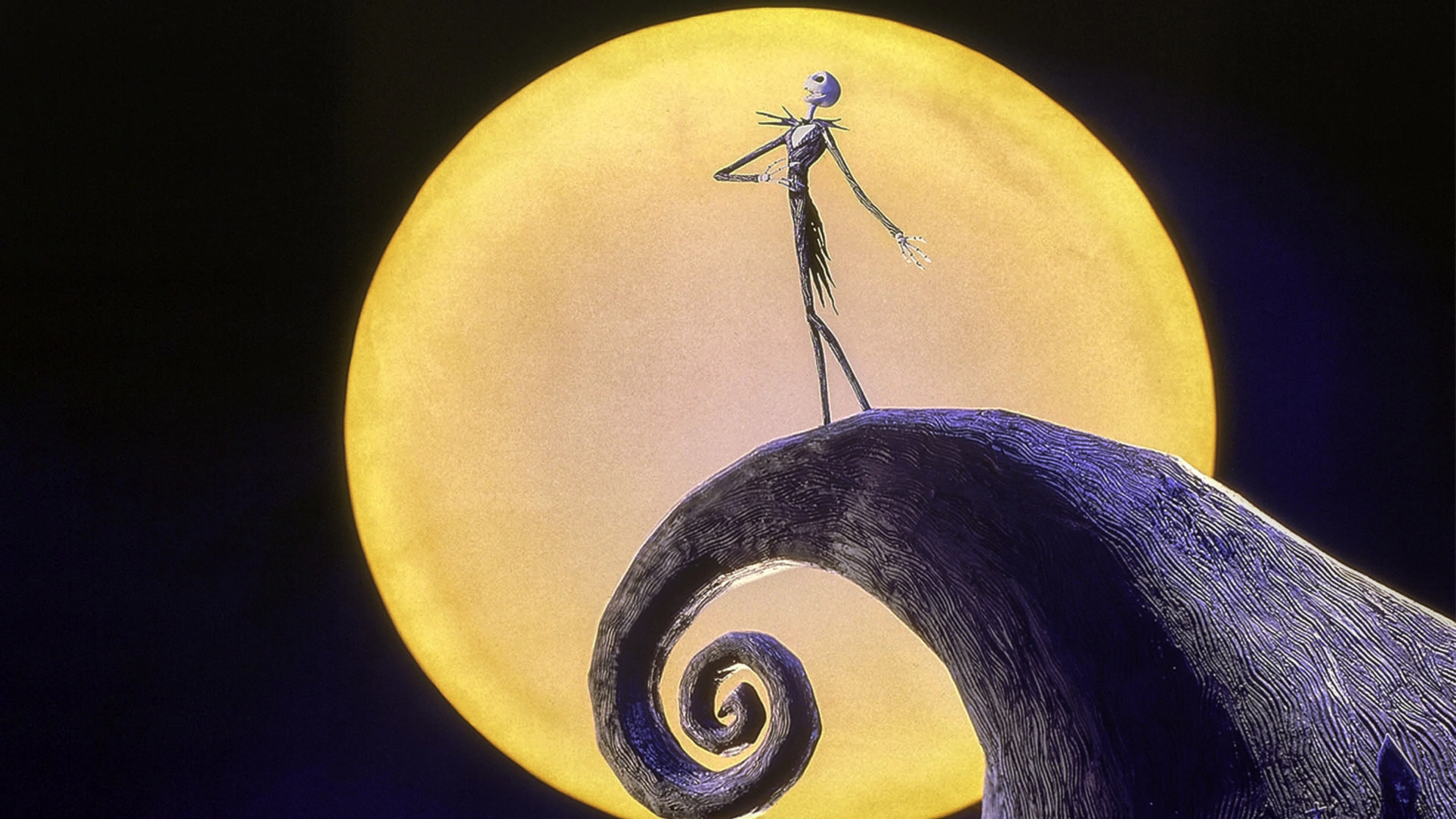
This might appear to be a bold statement to make but realistically. The Nightmare Before Christmas is the most popular and culturally significant stop-motion animated film of all time. This film transcended stop-motion. Its popularity has even transcended animation in general. On top of that, it has grown beyond the art of film and has become a whole entire mood for both Halloween and Christmas. It has set the tone for stores like Hot Topic with the whole tone and style that they attempt to sell.
The Nightmare Before Christmas continues to be highly impactful, and has become a fixture of so many people’s lives from an early age. This is the type of film that will be played every year to help define the Halloween and Christmas seasons. This also represents the entire directorial voice of a beloved creative like Tim Burton. To be clear, the impressive direction was done by Henry Selick (THE greatest stop-motion animation director of all time), but it is Burton’s vision and style that defines this classic film. Looking at the animation itself, this is one of the greatest leaps forward for stop-motion up to this point. Forget molding clay or simple figures. For The Nightmare Before Christmas, we witness full blown figurines with incredible amounts of detail that need to be ever so slightly changed for each frame of footage. There are dozens of different heads for each of these characters to capture the movement of their mouths and eyes. The detail in the sets are quite impressive with the vibrant worlds of different holidays from Halloween Town to Christmas Town. Each place has so much detail and personality that you get fully enveloped in the story. The character designs are grotesque, yet strangely beautiful in different ways. Each of these figures capture the personality of these characters perfectly and precisely. It is downright magical seeing how these characters come to life with their singing, dancing, fighting, and working.
Seeing behind-the-scenes footage highlights just how challenging, meticulous, and miraculous this work truly is (and it is no surprise that this took years to animate). Looking at the film itself, there are plenty of reasons why it has become such a classic. The production design, costumes, and characters are so cool looking and embody the vision, themes, and story that Burton envisioned and Selick brings to life. The music has become one of the most important aspects of this dark and twisted musical. “This Is Halloween” is an iconic track that is used to bring the Halloween vibes every year. “Jack’s Lament” and “Sally’s Song” are moving and powerful character-focused songs that stand out. “Oogie Boogie Song” is one of the best villain songs you are going to find. “What’s This?” is a wonderful song to capture the Christmas/winter spirit as well. Danny Elfman’s work is unmatched with The Nightmare Before Christmas as he gets to flex so many of his musical talents.
The story has a relatable core of questioning your identity and journeying to rediscover who you are. The voice cast is impeccable, as both Chris Sarandon and Elfman bring Jack Skellington to life. There are plenty of other great talents, from Catherine O’Hara to Glenn Shaddix, Paul Reubens to Ken Page. This film is a wholly unique visual, auditory, and thoughtful experience that is the perfect showcase for what stop-motion can accomplish.

Coraline (2009)
Since the mid 2000s, Laika Animation has picked up the torch from The Nightmare Before Christmas to become the premiere stop-motion studio out there. The vision of Travis Knight combined with the talents of filmmakers like Henry Selick (and funding from Nike’s co-founder, Phil Night) makes Laika such a powerhouse of animation. Their work is incredible; they have delivered wonderfully odd adventures like The Boxtrolls and Missing Link while delivering some of the greatest stop-motion animated films of all time with ParaNorman and Kubo and the Two Strings. But it is one film that brought Selick back to the spotlight as he carried the torch with Laika. That film is Neil Gaiman’s Coraline.
His reputation is certainly not what it used to be (due to terrible revelations from his personal life coming to light) but Gaiman’s presence in the fantasy/horror genres of literature is unmatched. The imagination that he has brought to so many beloved works is incredible, and Coraline is one of his greatest works made for younger audiences. The most important thing though…it does not shy away from the dark, morbid, and weird. Stop-motion animation has certainly become a place for the morbid and macabre to thrive on the silver screen (just look at The Nightmare Before Christmas) and that gives Coraline the right avenue to come to life in its full glory. Selick showed what he could do with Nightmare and James and the Giant Peach, so it is no surprise that Knight trusted Selick to take the reins of their first big project for this studio. The result? An incredible success.
What was already discussed about The Nightmare Before Christmas is also true about Coraline. The incredible amount of care, patience, and vision is unmatched. To craft a complex story in stop-motion, you realize that it is going to be a monstrous undertaking. Luckily (for us), Selick and company were up for the task. The world that Gaiman created for Coraline is an interesting mix of a gloomy version of our world as well as the darkly twisted Other World. The motif of black buttons for eyes is eerie and unnerving enough to creep you out without being too terrifying for the young target audience.
The final stretch of the film with the Other Mother as a giant spider monster is nothing but nightmare fuel. Like all of Selick’s work, the characters are always just a little bit strange, offputting, and grotesque. Some of the human characters are even exaggerated to the point of looking cartoonish and less human. The world building and production design are quite impressive with the tiny door going into the Other World being such a fun and crafty detail that is both memorable and stands out. The way that Selick works with lighting and shadows is quite dynamic, a more unique element of stop-motion compared to other forms of animation. These are not drawings, so you are able to manipulate the space as well as leverage the actual camera to make things so vivid and engaging.
The story is a classic fairy tale or fable, meant to teach a specific lesson for our younger viewers. Throughout this big move for Coraline, she seeks a “better version” of her life. The one she experiences is not what she wants, and she hopes to find a better one. The Other World gives her exactly what she wants, including a mother who is warm and loving in a way her real mother is not. But it is all too good to be true, right? That is the journey that Coraline must undertake, and that journey is paved with plenty of macabre and twisted elements. Selick and Laika were able to amass a talented voice cast led by the ever-talented Dakota Fanning, including Teri Hatcher, Jennifer Suanders, Ian McShane, and (of course) Keith David. Hauntingly beautiful and purely engaging, Coraline is a defining piece for Laika and set the tone for this studio to lead stop-motion animation into the future.
Also see: Fantastic Mr. Fox, Mary and Max, The Corpse Bride, Chicken Run

Leave a Reply