

Welcome to class! My full-time job is working at a university, and I teach as well. One of my dreams has always been to teach a film class. Taking students through the world of cinema and helping them learn about the art form that I am so passionate about would be an amazing experience. But alas…I teach math. This series, “Lessons from the Wasteland,” is my opportunity to offer readers a curated watchlist to learn through doing (…watching movies). Each film on this list will highlight a filmmaker, sub-genre, filmmaking technique, or significant topic in order to broaden your cinematic horizons. For this month we have…
Flashbacks
Casablanca
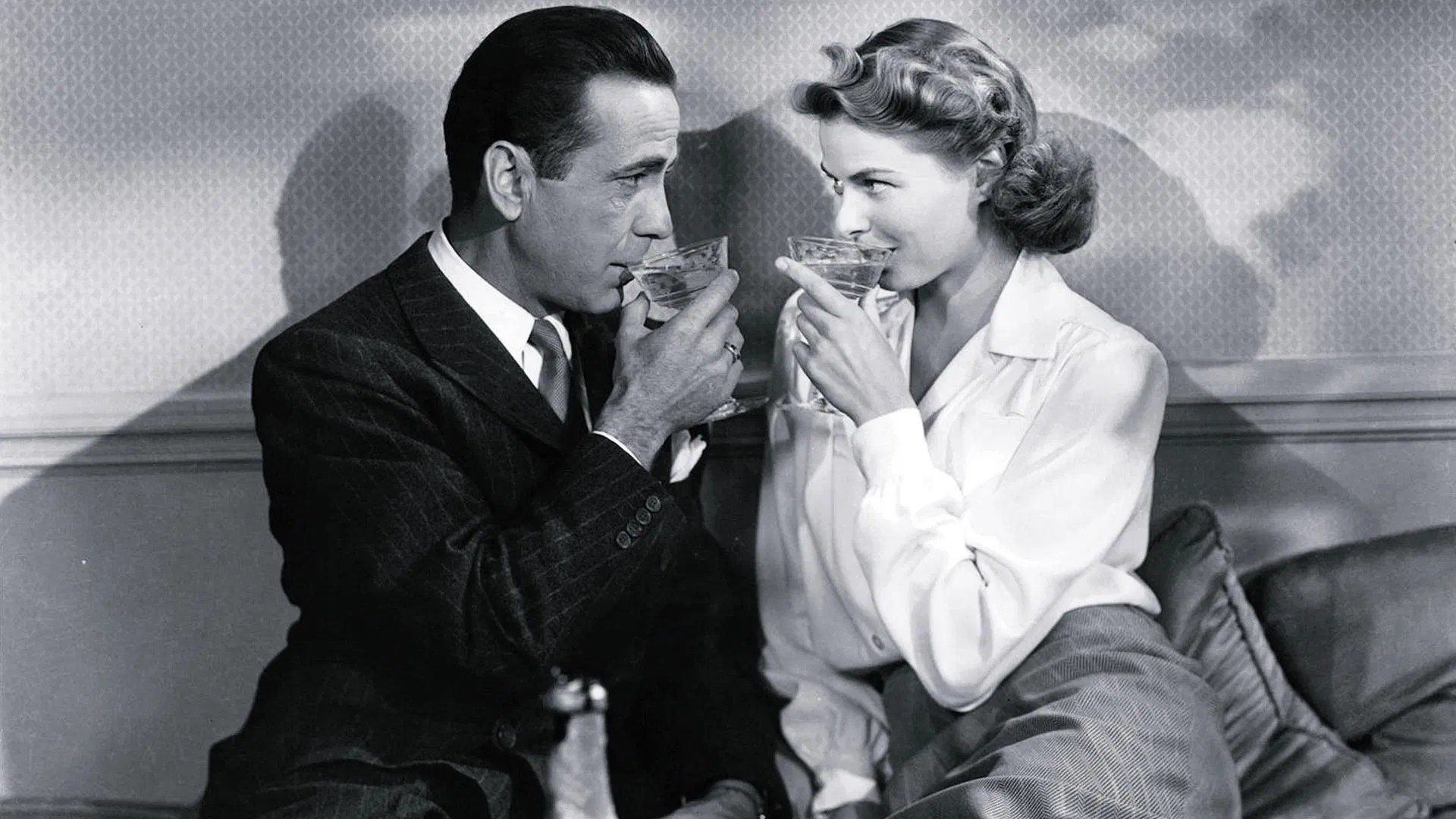
Rick Blaine and Ilsa Lund. Humphrey Bogart and Ingrid Bergman. A love that once was and could potentially be again. That is the heart of one of the greatest films of all time, Casablanca. Director Michael Curtiz crafted a film full of humor, tension, and romance. There are plenty of threads in the film, including Rick running his bar under the specter of Vichy France; Claude Rains’ Captain Louis Renault running things with an open pocket; Victor Laszlo, the infamous (or beloved, depending on your side of choice) freedom fighter, makes his way into and (hopefully) out of the titular Moroccan city. But the core of this film is Ilsa coming back into Rick’s life now that she is with Laszlo, and Rick has lost his passion and drive for life in general. But the second Bogart looks upon Bergman’s face in his bar…the whole world changes for both of them. The writing and acting are so strong that you can feel the connection and immediately understand the weight of this reunion. Even a single song captures so much with a few notes (“As Time Goes By”).
But the iconic line of Bogart’s “Of all the gin joints, in all the towns, in all the world, she walks into mine” tells it all. The lost love. The pain. The frustration. But there is a little thing called a “flashback” that allows the audience to really see what is missing and longed for. Getting to see this different side of Rick adds great context to the shift that will happen later in the film. We gain an added layer of connection and feeling that we could only guess without it. The choice not to start with this prologue of sorts is great because Curtiz builds the tension first. There is a bit of mystery. Then the film cracks open the past, and we have a full grasp of just how significant this relationship truly was. This adds weight to the climax of this film as Rick must make a life-altering decision. Does he let Ilsa go with Laszlo? Does he fight for her? Will Rick continue his new life of not caring and floating through existence? Or will he find that spark again and live again for something? These are all compelling questions that are explored with depth and meaning in Rick and Ilsa’s final exchange in the film. The film needs the audience to feel their whole past in that moment, and this perfectly executed flashback helps craft that meaning.
The Man Who Shot Liberty Valance
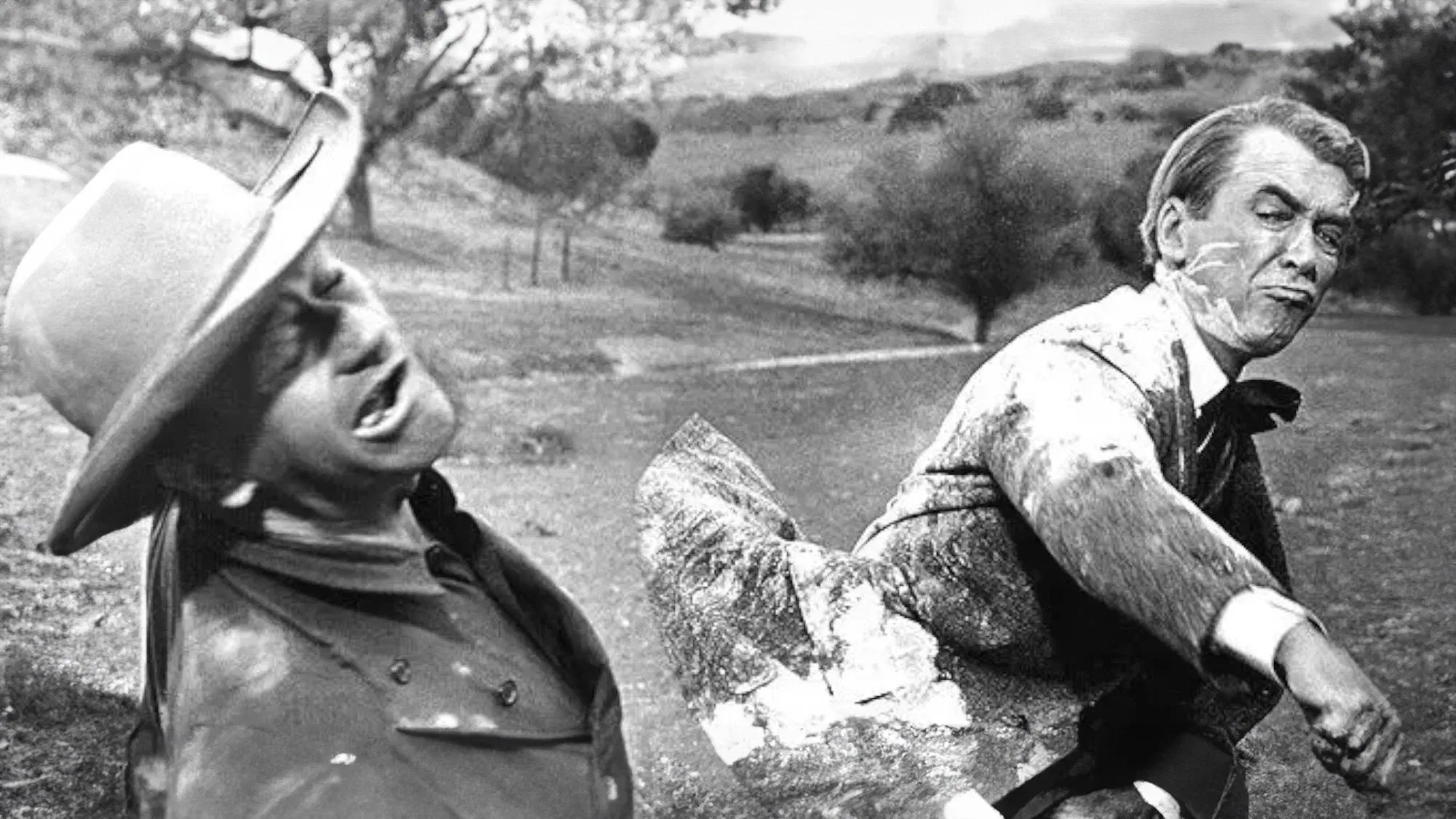
But who is the man who shot Liberty Valance? That is certainly the question, and something that acts as the thematic and narrative thread of this beloved John Ford western. The titular Valance is a tyrant and a ruffian who will stop at nothing to do his dastardly job and deliver as much pain and destruction along the way. Lee Marvin injects Valance with a manic and unpredictable nature as well as a hardened and cruel demeanor. There is a reason this character is such a notorious entity in the realm of Ford’s film. But it is the one who kills him that is the real hero of the story. However, there is an issue…who really shot him? That is one of the most important narrative threads of the whole film. That person would certainly be a hero for killing one of the most dangerous men on the frontier. A person would be able to leverage that legacy for something life-changing. That is exactly what happens for James Stewart’s Ransom Stoddard.
Much of the story is told from the perspective of an aged Stoddard, who returns to his hometown for the funeral proceedings of a former friend, Tom Doniphon (John Wayne). But there is more than meets the eye when it comes to the death of Valance. There is a secret that is revealed in the climax of Ford’s film that reframes the whole context of the story. Could Stoddard’s long and successful career be built on a lie? That is the truth of the situation. One of the most powerful scenes in the whole film is when Ford decides to finally show the truth to the audience. This flashback is so effective because it recontextualizes Stoddard’s whole life and career, but also his friendship with Doniphon.
A great flashback can show an earlier sequence from a different vantage point and from someone else’s perspective. When we see the shootout between Stoddard and Valance one last time, we see it from Doniphon’s angle as Wayne wields the weapon that delivers the final blow. Crisp filmmaking and strong performances sell this revelation and allow the audience to finally see the big picture and the truth behind the title of the film.
Once Upon a Time in the West
How powerful can fleeting shots of the past be in fleshing out a story? Sergio Leone captures that power perfectly well in his Spaghetti Western epic, Once Upon a Time in the West. Two of the key players in this film are the evil Frank (played well against type by all-American actor and beloved face of film, Henry Fonda) and the mysterious and enigmatic Harmonica (a steely and intense Charles Bronson).
The film opens with three dirty and scary gunmen arriving and waiting at a train station. After some patience, the train arrives and leaves only Bronson, who quickly dispatches these three dangerous men. We know Harmonica can take care of himself, but we don’t know what he really wants or why. Throughout the film, it becomes apparent that Harmonica seeks a local crime lord, Frank. We witness the brutal slaughter of a whole family, only to see that it was beloved actor Fonda who was portraying this heartless and cold murderer, with his dark hair and those piercing blue eyes. But these two men are destined for a showdown by the end of this epic Western.
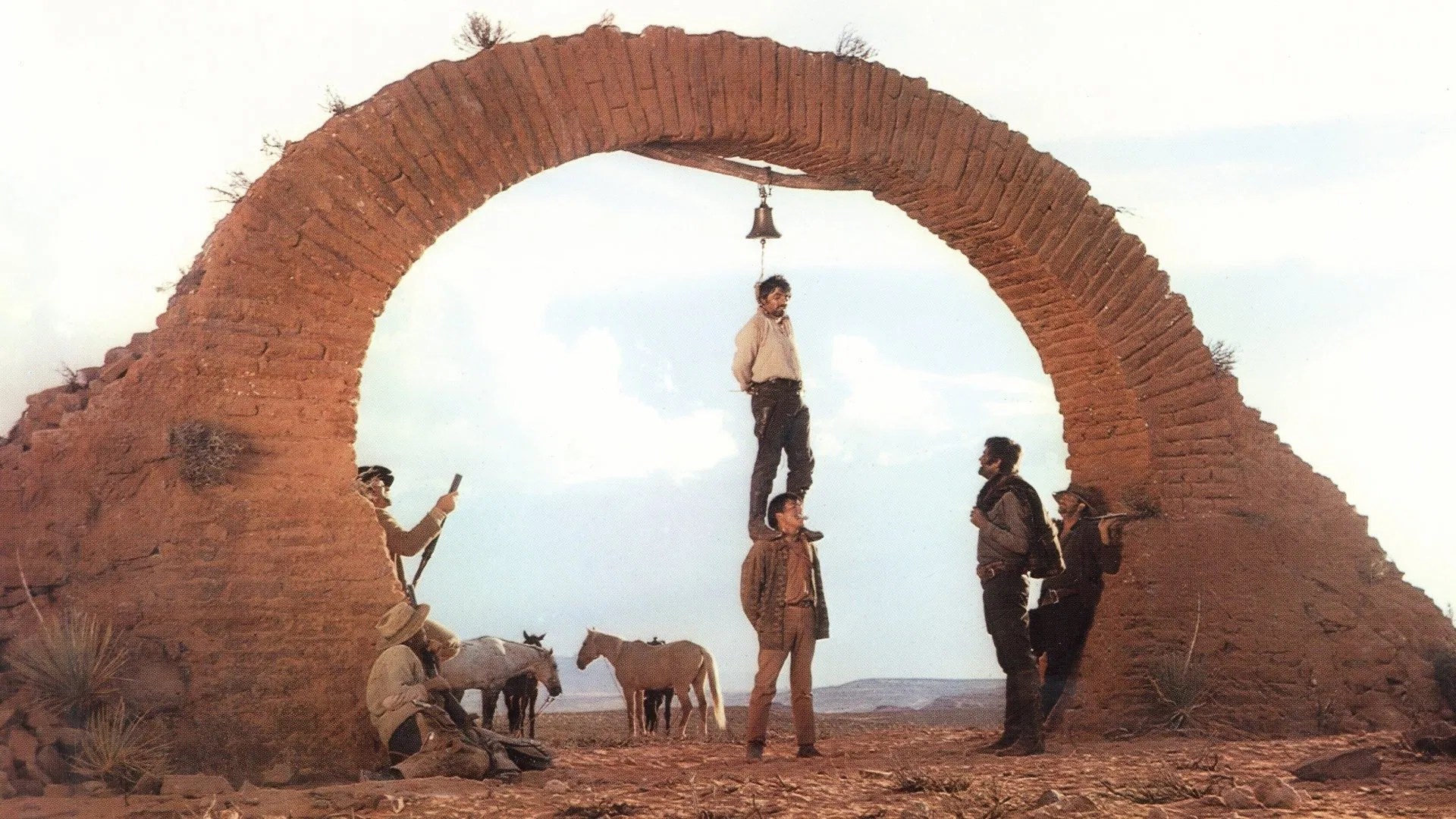
Throughout the film, the audience is teased with quick shots of someone. But it is the climactic showdown between Harmonica and Frank where a big revelation is presented through an incredible flashback. Leone guides the camera slowly into a close-up of Bronson’s eyes (while Ennio Morricone’s score ratchets up with tension and an unnerving feel). The camera cuts to a young Frank holding a harmonica, which he places into the mouth of a young man. The fiery and intense guitar and harmonica rips into the scene as the audience sees a younger version of Harmonica. The camera keeps pulling back to reveal Harmonica’s older brother standing on his shoulders with a noose around his neck. This twisted punishment has haunted this young man since he was a kid.
This flashback scene does wonders for the story. We finally understand the motivations of Harmonica and why he wants to get Frank so badly. This flashback is emotional and impactful in an affecting way. We also understand the name of “Harmonica” and the significance of this instrument throughout the film. This flashback delivers plenty of layers to this conflict, with some impeccable filmmaking to amplify the feeling and emotion of the scene. This perfectly executed reveal makes the final confrontation even more intense and emotionally impactful for the audience and Harmonica alike.
The Shawshank Redemption
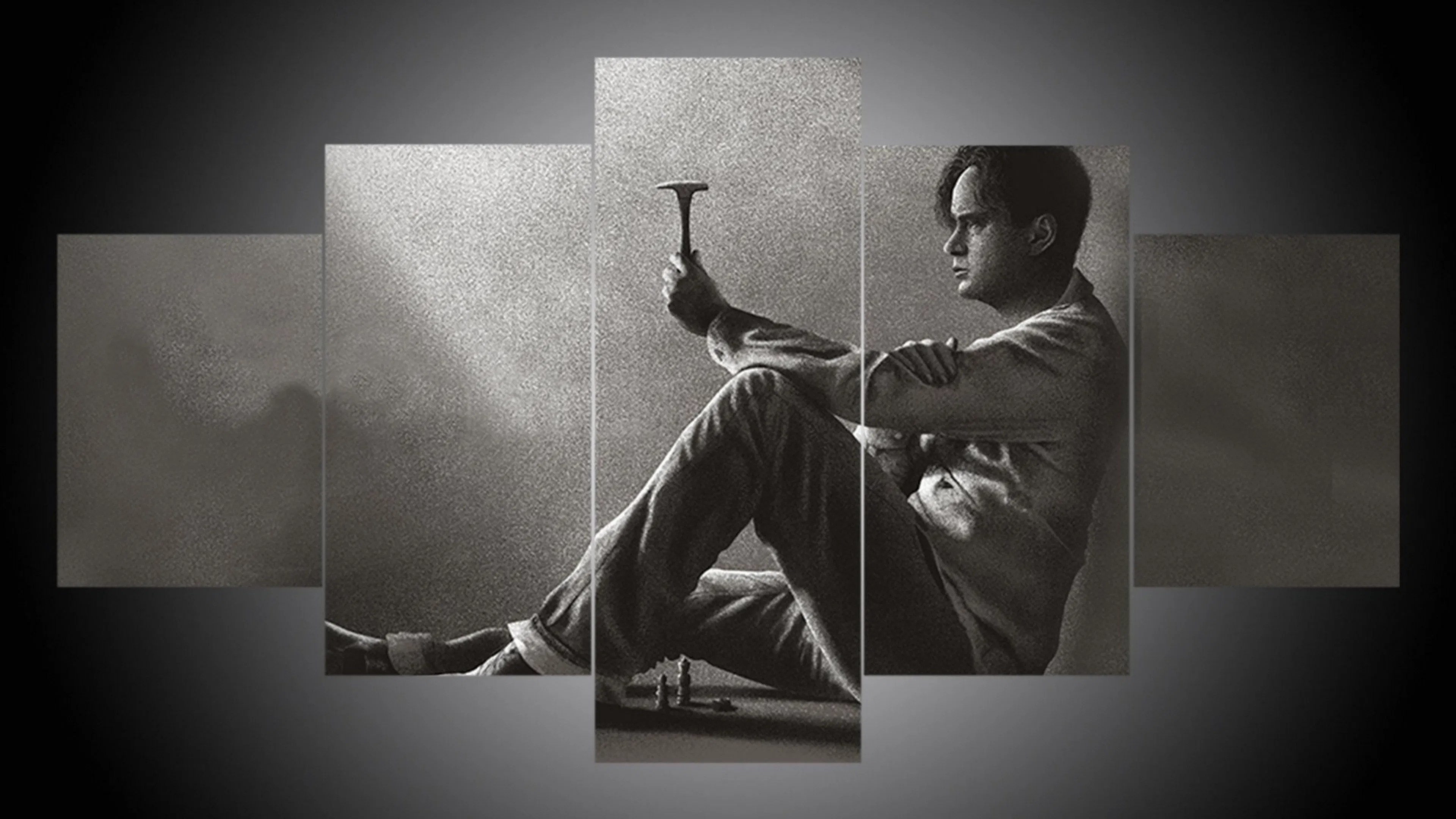
How does one magically disappear from a jail cell after being incarcerated for nearly two decades? It’s quite the mystery, and certainly made for one of the most shocking moments in cinematic history when Andy Dufresne disappears from Shawshank.
This harrowing film from director Frank Darabont took Andy (and the audience) on a long journey of punishment, frustration, and hope. The powerful moment of catharsis is delivered when Warden Norton discovers that Andy has disappeared. This “inescapable” prison turns out to be penetrable, and one of the greatest cinematic moments of joy is when the warden throws a pebble at a poster on Andy’s wall to reveal a hidden tunnel. This moment is so impressive because it is shocking, because no one would have guessed that this could have happened. The question that lingers on our minds is “How did Andy accomplish this?”
A flashback is often used to reveal something narratively that was unknown to the audience, but few moments have the impressive impact of shock, awe, and joy as this one. Early in the film, Andy breaks off a tiny part of his cell wall, but it seems so inconsequential that we just forget about it. But with patience…you can accomplish the insurmountable. The cuts back to that moment show a real chunk of the wall breaking off. Then you have Chekhov’s rock hammer. Morgan Freeman’s Red jokes at the size of such an instrument and how long it would take to break out with it. Luckily for Andy, he had the time and the willpower to do it. The audience is treated to a series of events that Andy spearheaded to make his escape possible. This is one of the most satisfying rewinds in cinematic history, as we witness something truly remarkable. The emotion is huge, and the catharsis is quite impressive. But it is the final moment of Andy standing tall in the rain as it washes the sewer waste (that he had to crawl through to escape) from his body. Darabont and cinematographer Roger Deakins made one of the most moving and powerful shots in cinematic history come to life as the perfect punctuation to this beautiful and inspiring flashback.
Ratatouille
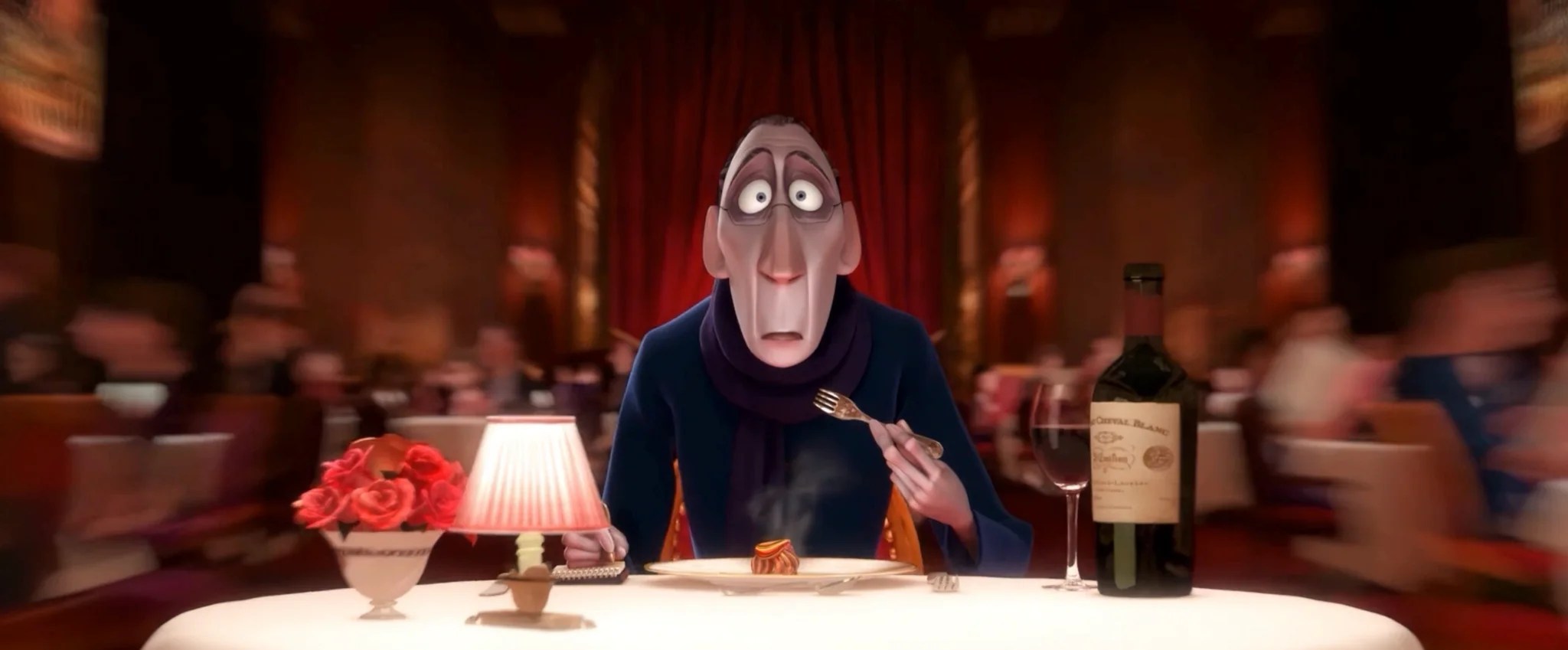
A singular instance can be incredibly powerful in capturing the thematic anchor of a film. It might be an image so powerful that it could be the magnum opus of an auteur’s career. Something so powerful would live on with such praise. But would you expect such a powerful moment to occur in an animated film about a cooking rat? When you have a creative force like Pixar behind you, so much more is possible. Ratatouille (despite its odd premise) just might be one of the most mature films Pixar has ever created.
What Brad Bird was able to accomplish with such a story is miraculous. This film is full of charm, wisdom, and humor, which will entertain and move the whole family. It’s the story of Remy, a rat who loves food and cooking, and later finds himself puppeteering an unsuspecting new employee at the great Gusteau’s restaurant in Paris.
But our flashback is connected to another important character in the film. With creativity and art, there is another entity that is born from it: criticism. There are few critics that are as iconic as Anton Ego. His coffin-shaped office and his tall, dark, and slender frame craft such a ghoulish facade. The late, great Peter O’Toole provides the voice to the antagonist critic who provides the restaurant “The Perspective.” But the heart and soul of this film centers on the idea of a cook coming from anywhere, and the passion for food and the art of cooking. Ego forgot long ago what it really meant to be in love with the art of food, but one singular moment teleports him back to a time when he did.
Flashbacks can be big, sprawling scenes that capture a lot of story. But in this instance, it is just a bare moment of Ego as a child enjoying a lovingly made dish of ratatouille. Remy’s dish brings all the passion and love for food, which got him into food criticism in the first place, rushing back. This singular shot of a young Ego is moving and powerful. Once Bird brings Ego and the audience back to reality, we can see the change in Ego and what that single bite of food meant to him. The power of a flashback can be key to the journey for a character, and that is definitely the case for Ratatouille.
Also see: The Godfather Part II, Citizen Kane, Slumdog Millionaire, Rashomon

 Knock on Wood
Leave a comment