
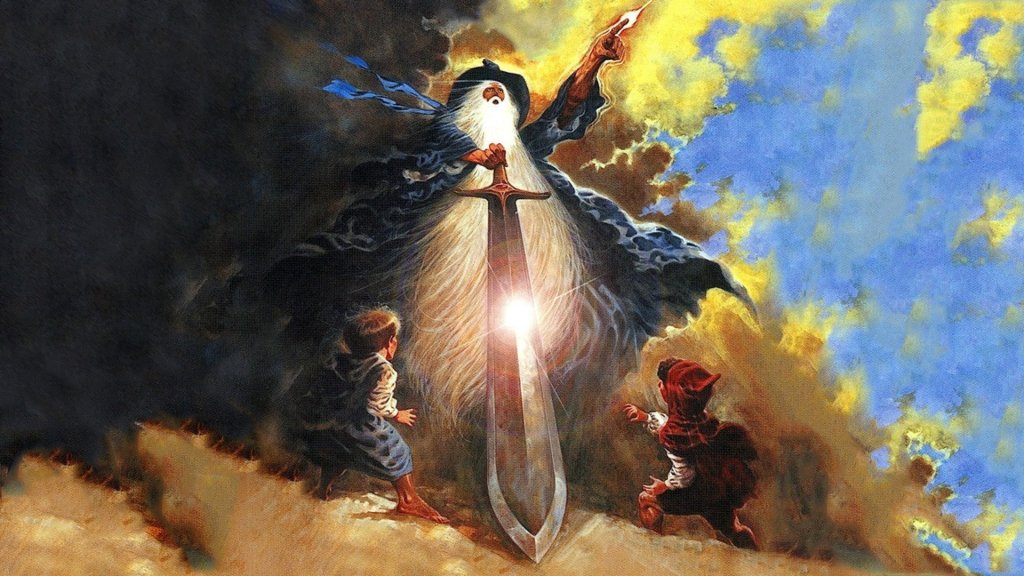
Welcome to class! My full-time job is working at a university, and I teach as well. One of my dreams has always been to teach a film class. Taking students through the world of cinema and helping them learn about the art form that I am so passionate about would be an amazing experience. But alas…I teach math. This series, “Lessons from the Wasteland,” is my opportunity to offer readers a curated watchlist to learn through doing (…watching movies). Each film on this list will highlight a filmmaker, sub-genre, filmmaking technique, or significant topic in order to broaden your cinematic horizons. For this month, we have…
Early Animation
The Adventures of Prince Achmed (1926)
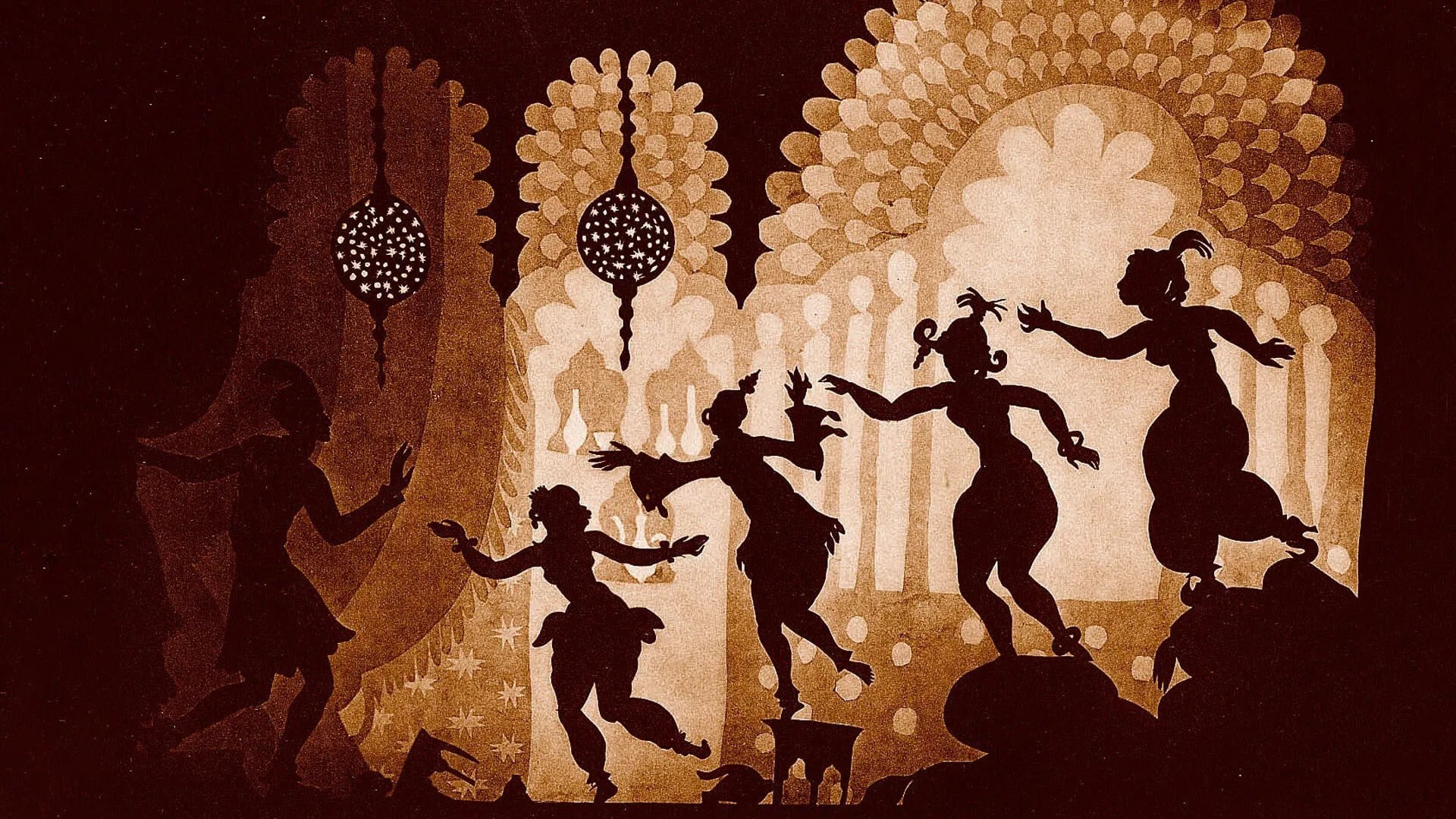
There might have been other films before it, but The Adventures of Prince Achmed is the film that gets the distinction of changing the game for animation. Technically a stop-motion animated experience (but not in the way most modern audiences would categorize it), this film is brought to life with cutouts and backlights. Utilizing black cardboard and scissors, Reiniger crafted 250,000 frame-by-frame stills that were edited down to 96,000, and those made up the 80-minute film that audiences know today. Reiniger brought these cutouts to life while Carl Koch (her husband) photographed the whole experience.
There are plenty of other pieces of animated art that have taken such a meticulous approach (even a show like South Park started with cutouts and pieced things together from there). The backlight is quite impressive, with vivid colors that make this film feel incredibly lively. It is hard to believe this vibrance would have been lost without the work of the National Film and Television Archive of the British Film Institute preserving this color version of the film.
Reiniger, like many filmmakers after her, explored classic stories from different cultures that came together in this animated form. “The Arabian Nights” is the basis for all the stories that are explored in this classic animated film, and Reiniger touches on a variety of stories that make up this bold, adventurous, and classic text. The young prince is tricked into using a flying horse, but because of this, he is able to go on a variety of sprawling adventures across the world. Wicked sorcerers, Chinese emperors, demons, and other magical creatures all get in the way of Prince Achmed as he meets classic characters like Aladdin and falls for the beautiful princess Pari Banu.
Without dialogue, Reiniger leverages elaborate and gorgeous visual storytelling to bring these grand and magical adventures to life. The pacing is great, and the magic sparkles on every frame of The Adventures of Prince Achmed. Drawing on familiar and classic tales gives a filmmaker plenty of space to explore the visuals and storytelling, especially with the limitations of a trailblazer like Reiniger. This towering achievement has stood the test of time and is still entertaining and engaging at almost 100 years old.
Snow White and the Seven Dwarfs (1938)
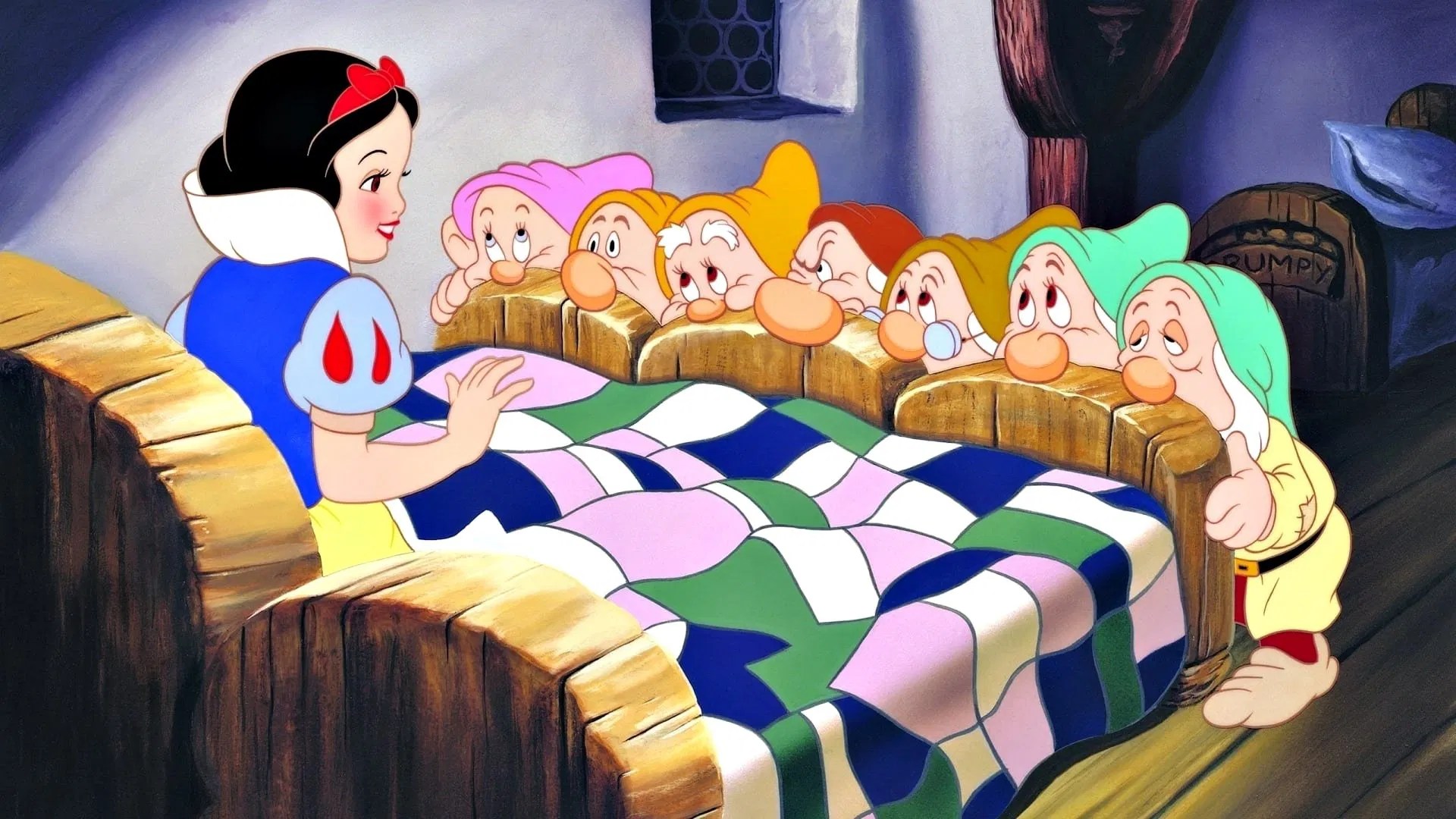
For so many people, animation is synonymous with Disney, and though the studio has grown beyond the medium, it changed the game of animation with one fateful film: Snow White and the Seven Dwarfs. Walt Disney had directed plenty of animated short films in the years leading up to Snow White, but this fairy tale gave audiences something special. Like Reiniger, Disney went in the direction of picking a timeless tale from a fable and a fairy tale. This classic story from brothers Jacob and Wilhelm Grimm gets what is now commonly known as the “Disney Treatment.” Sure, some of the darker elements still exist in the story, but this was transformed into a more colorful and cheerful expression of its themes and ideas.
Snow White turned out to be the blueprint for so much of Disney Animation for years. The hand-drawn animation is absolutely gorgeous, meticulously refined through the cell process. The painting is rich and full of warmth, giving the film this rich and classic look. Snow White certainly feels of its time, but that is not a bad thing. This classic has a distinct and gorgeous look that is rich in both texture and personality. The backgrounds are less detailed, but the beautifully painted backgrounds have such a distinct look and feel. The characters move in a surprisingly fluid fashion for such early animation. Disney did not directly create this film in terms of direction or writing, but he has his stamp distinctly on the process.
The story has all the elements that have become iconic to audiences over the years. An evil queen and a beautiful princess. A group of dwarves, each with their distinct trait that makes them stand out. A charming prince and true love’s kiss. There are plenty of iconic elements like the Magic Mirror, the red apple, and the glass case. The musical numbers are extremely catchy and recognizable (which set the tone for all other Disney Animation efforts moving forward). A true trendsetter and mold breaker, Snow White is the type of classic film that has caused ripples throughout the cinematic landscape and left a lasting legacy.
Rudolph the Red-Nosed Reindeer (1964)
Outside of Prince Achmed, there were plenty of early pieces of cinema that used stop-motion animation to bring iconic characters to life, including films like King Kong and all of the works of Ray Harryhausen, like Jason and the Argonauts. Taking figures and bringing them to life with meticulous movements and single frames running in succession is quite the impressive bit of filmmaking, but crafting feature-length films in this manner was always a challenge because it takes so much time and effort to come to life.
There are a few names that have become synonymous with stop-motion animation, including Will Vinton, who crafted a number of great commercials and other pieces of entertainment through claymation. But there is a pair of names that made stop motion associated with the holiday season, thanks to a long filmography of stop-motion holiday classics. Arthur Rankin Jr. and Jules Bass (more commonly known as Rankin & Bass). You have probably watched their work many times, from Santa Claus is Comin’ to Town to The Year Without a Santa Claus to The Little Drummer Boy. But this stop-motion tradition all began with Rudolph the Red-Nosed Reindeer.
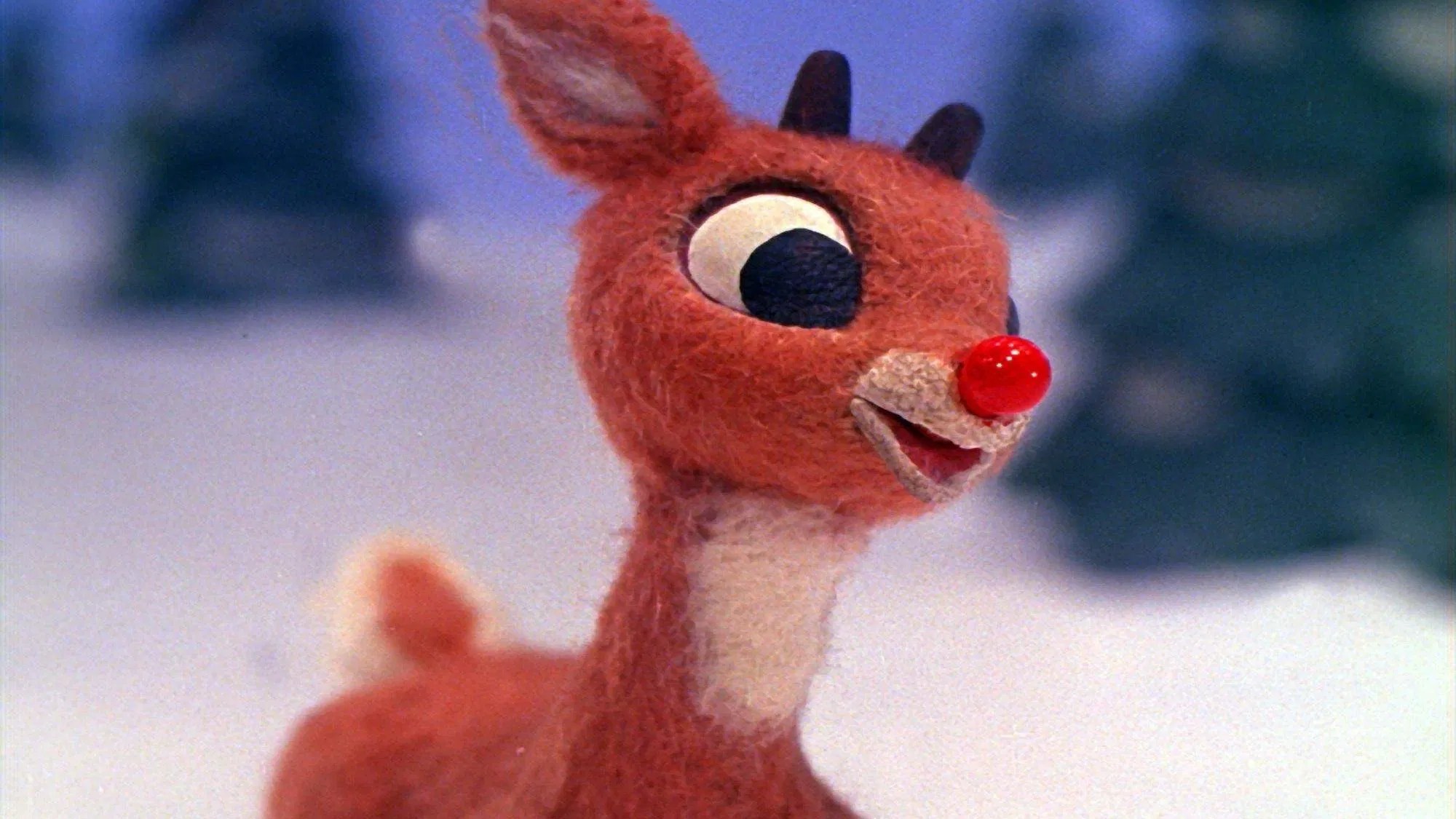
This classic tale is one of the most-watched stop-motion animated films of all time, as it has become a television staple for the holiday season every year since its release. Countless young people grew up seeing this beautiful art form in motion without realizing just how impressive it is. Admittedly, the stop motion is not the most refined or high-quality (Rankin & Bass outsourced the animation and did the voice work within their studio), but the end product is no less impressive. The figures have distinct looks to them, and there is a nice bit of detail when it comes to hair, fur, and other specific features. The characters are charming in their own specific way and set the tone for how they would bring characters to life in so many of their other projects. The movements are less refined and clunky at this stage of the creative process, but it is understandable on a smaller budget, and this early in the infancy of feature stop-motion work.
These specials might not be a full 70, 80, or 90 minutes, but they are still a far cry from just making something more for a few minutes. The team behind this Rankin & Bass classic did a great job of bringing this snowy fantasy world to life with vivid colors, fun designs, and a quirky crew of characters. Based on a classic book from Robert May and Johnny Marks, the trend of bringing beloved stories to life in animation continues with Rudolph. The little elements like the flashing red nose of Rudolph, the flying sleigh, and the bouncing Abominable Snowman make this film feel so charming and fun. There are plenty of great characters from the titular reindeer, Santa Claus, Hermey the Elf (who wants to be a dentist), the joyful prospector Yukon Cornelius, and the classy Sam the Snowman. There are plenty of iconic voice performances in the film, including Burl Ives, who lends his smooth and delightful voice to the narrating snowman.
This wondrous little film has so much potential and world-building that Rankin & Bass were able to explore it even further in other specials. Rudolph the Red-Nosed Reindeer has led the way for Laika Animation, Tim Burton, Aardman, and Adam Elliot through to the foggy future of stop-motion animation.
The Lord of the Rings (1978)
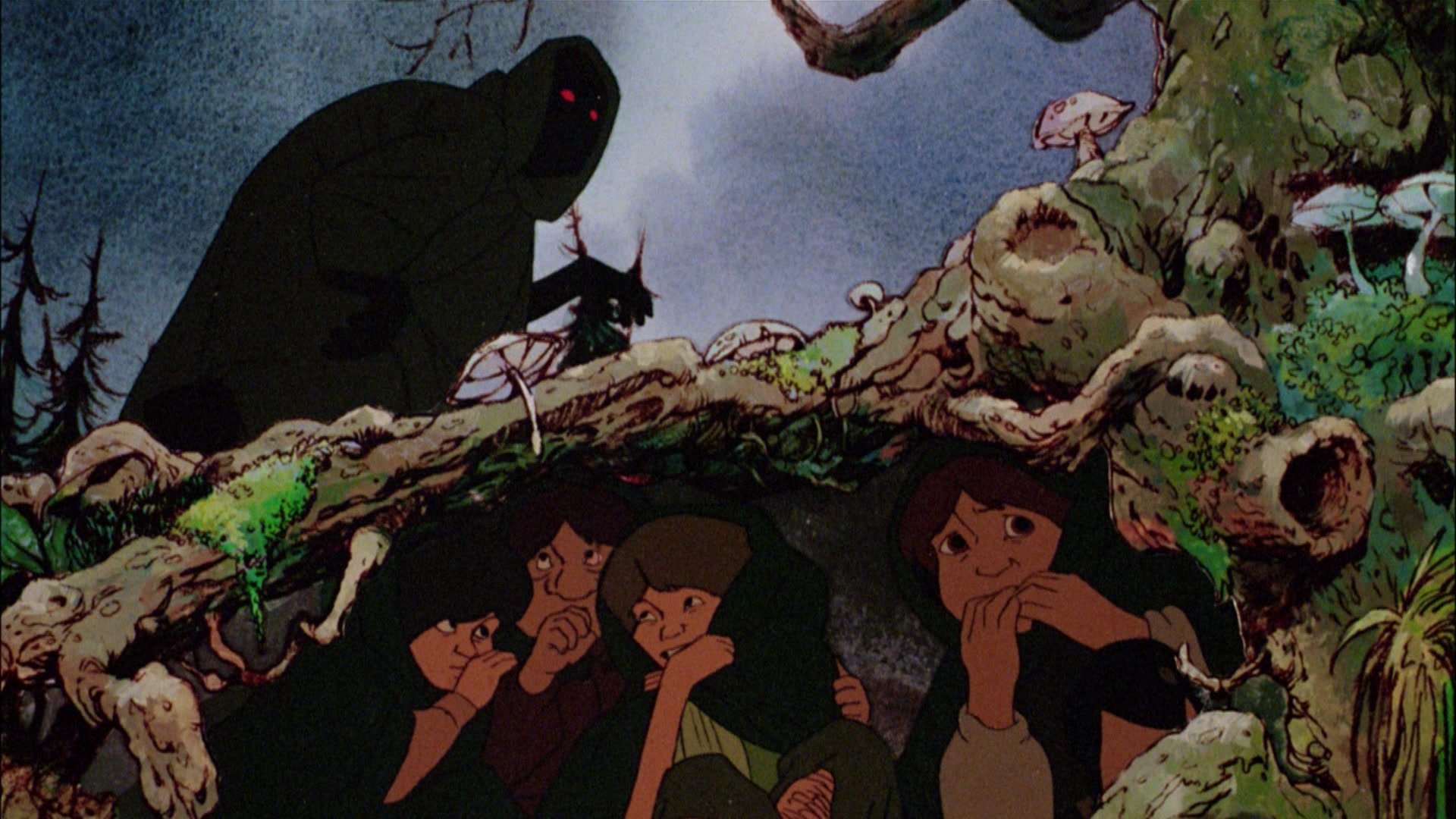
Rankin & Bass weren’t the only big animation alternatives for Disney at the time; filmmakers like Don Bluth would change the game with their animated films in the ’80s and ’90s. But there was a bold filmmaker in the ’70s who brought a whole new vibe and perspective to the world of animation: Ralph Bakshi. Where Disney was focusing on joyful and family-friendly entertainment, Bakshi focused on a variety of fresh and interesting stories to tell in animation. Bakshi broke out with Fritz the Cat, which took animation in a new direction…for adults.
There are plenty of animated films made for adults at this point in cinematic history, but the ’70s were a time that saw this shift happening for the first time. Bakshi would explore more intense, violent, and darker stories in films like Wizard and Fire and Ice. But in the midst of this trend, he also tackled one of the most significant fantasy stories of all time: The Lord of the Rings. Rankin & Bass had already tackled The Hobbit, but that was much more family-friendly. The approach that Bakshi took with The Lord of the Rings was more mature and darker. Tackling only a fraction of the whole story, Bakshi brings the world of Middle-earth to life in his distinct animated style that is darker, richer, and a little less complex than other animation at the time. But one specific type of animation that Bakshi employed that added a new layer to animation was rotoscoping. The process consists of capturing live-action performers on actual footage and tracing over them for more natural movement and rendering. This has since been explored by plenty of filmmakers like Richard Linklater, and even Disney Animation leveraged rotoscopes for quite a few of their pictures, but few used them as heavily as Bakshi did in crafting his Middle-earth adventure.
This style allows for more natural movements and actions that might be too complicated to render fluidly without it. Some of the most terrifying elements of The Lord of the Rings stem from the Ringwraiths, who are brought to life with the most disturbing effects rotoscoping has to offer. No one will accuse Bakshi of creating beautiful-looking animation, but he did offer up gritty and intense animated experiences. Peter Jackson has some unnerving elements in his own adaptation of The Lord of the Rings, but Bakshi’s is consistently intense and unnerving in its own way. This unexpected approach gives so many of his films an atmosphere more appealing to an older audience, which is not the consistent feeling for most animated films at the time.
Lupin the Third: The Castle of Cagliostro (1979)
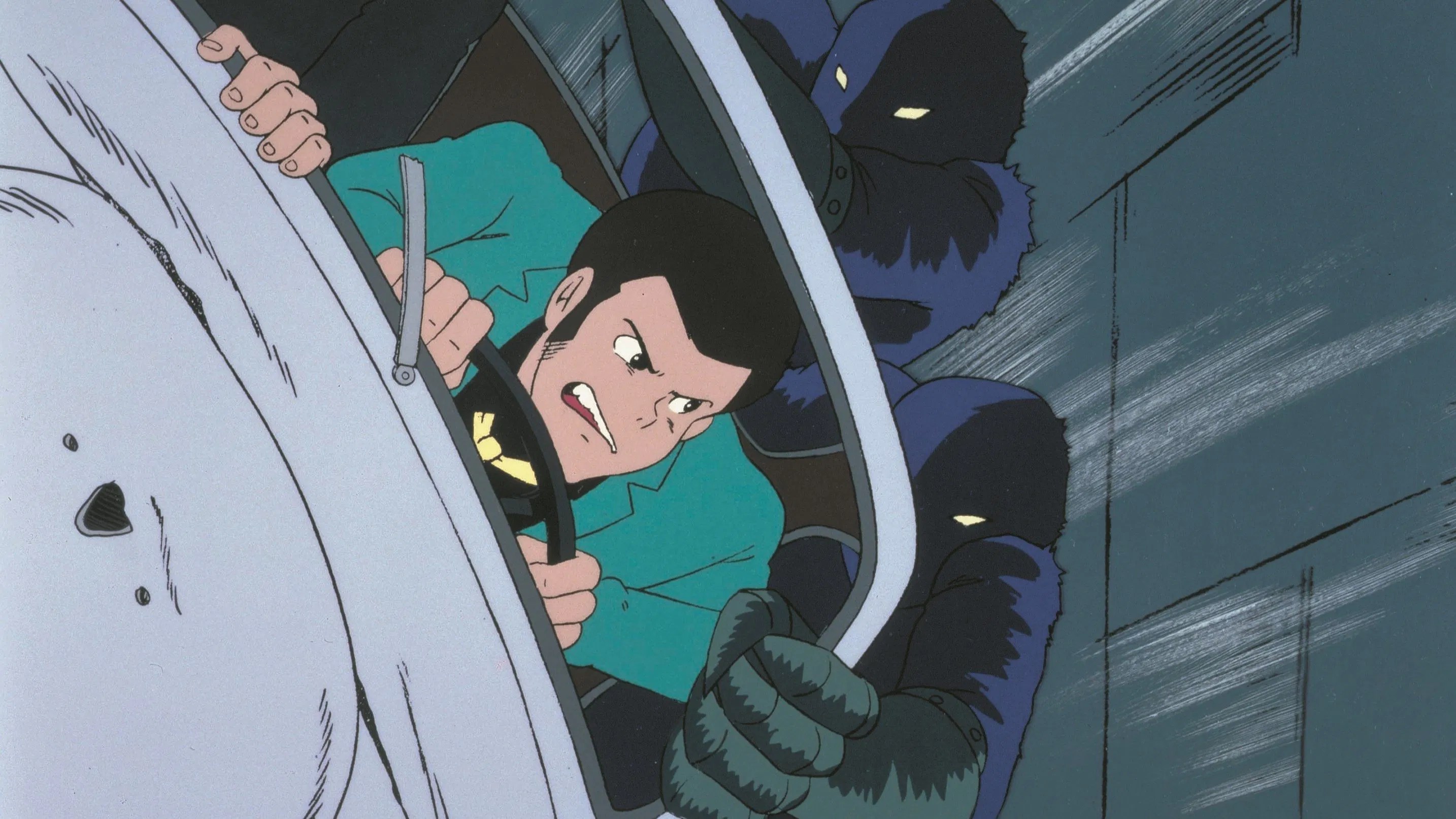
Japan has made such an impressive impact on the realm of animation that it has its own term for the animated art form: anime. There are so many amazing animated films and series that have come out of Japan over the course of 100+ years, including some early examples of anime from early filmmakers like Oteri Shimokawa, Seitaro Kitayama, and Jun’ichi Kouchi. These early artists created shorts in the 1910s and into the ’20s. The ’60s allowed manga (Japanese comic strips) to evolve into moving pictures like Astro Boy and Instant History, which made a huge splash on television.
Anime blew up in the ’70s, when a group of filmmakers took Japanese animation into the stratosphere. One such artist is Hayao Miyazaki, whose name has become synonymous with anime and the company that made it a global phenomenon, Studio Ghibli. Miyazaki has crafted some of the most beautiful, engrossing, and masterful anime films of all time, but it all started with Lupin the Third: The Castle of Cagliostro. Based on a popular manga, Lupin the Third gave Miyazaki the opportunity to dip his feet into the feature film space.
Lupin the Third is not the most gorgeous, elaborate, or epic of Miyazaki’s efforts, but you see so much of that potential in it – eventually, Miyazaki’s work would open the door for so many other great anime directors from Mamoru Oshii (Ghost in the Shell) to Satoshi Kon (Perfect Blue) to Hideaki Anno (Neon Genesis Evangelion). Miyazaki showed his distinct style of animation that is richly detailed in crafting its settings while offering up richly colorful experiences. The storytelling is rich and layered with characters we can connect with and empathize with. Lupin the Third is also not the deepest film in Miyazaki’s filmography, but it finds space (in its climax) to deepen and enrich the experience.
This heist and mobster flick has plenty of unique and interesting layers with some eerie antagonists, bold settings, and some impressive action sequences. The thrills are palpable and will put a big smile on your face. Lupin is a fun and charming rogue who makes for a fun protagonist to follow on this fast-paced and engaging romp. The character is far from the dark and hardened protagonist of the manga, but that pompadour and sideburns-flaunting thief is an iconic character of Japanese animation.
Anime is no monolith. There are so many interesting and diverse stories that have been portrayed through anime, and though Miyazaki has a penchant for fantasy worlds, there are plenty of grounded anime as well. Lupin the Third is a nice balance between the two, and it makes for an effective transition from the vibrant and simpler anime of the ’60s and ’70s into the much more complex and bold films that would populate the landscape from the ’80s through the present day.
Also see: Fantasia, Fantastic Planet, Pinocchio, Bambi, Gertie the Dinosaur

 Knock on Wood
Leave a comment