
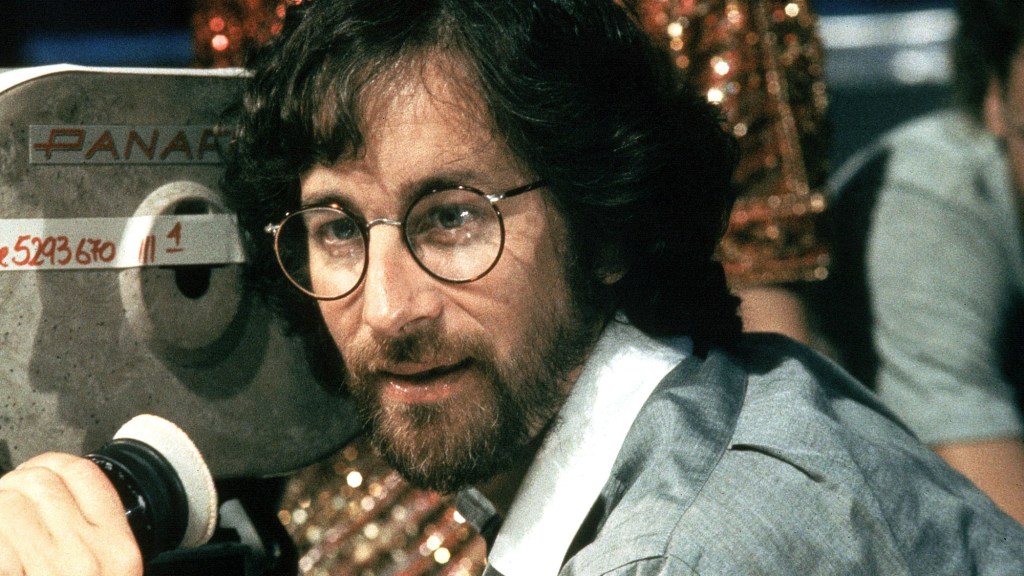
Welcome to class! My full-time job is working at a university, and I teach as well. One of my dreams has always been to teach a film class. Taking students through the world of cinema and helping them learn about the art form that I am so passionate about would be an amazing experience. But alas…I teach math. This series, “Lessons from the Wasteland,” is my opportunity to offer readers a curated watchlist to learn through doing (…watching movies). Each film on this list will highlight a filmmaker, sub-genre, filmmaking technique, or significant topic in order to broaden your cinematic horizons. For this month, we have…
Steven Spielberg
Jaws
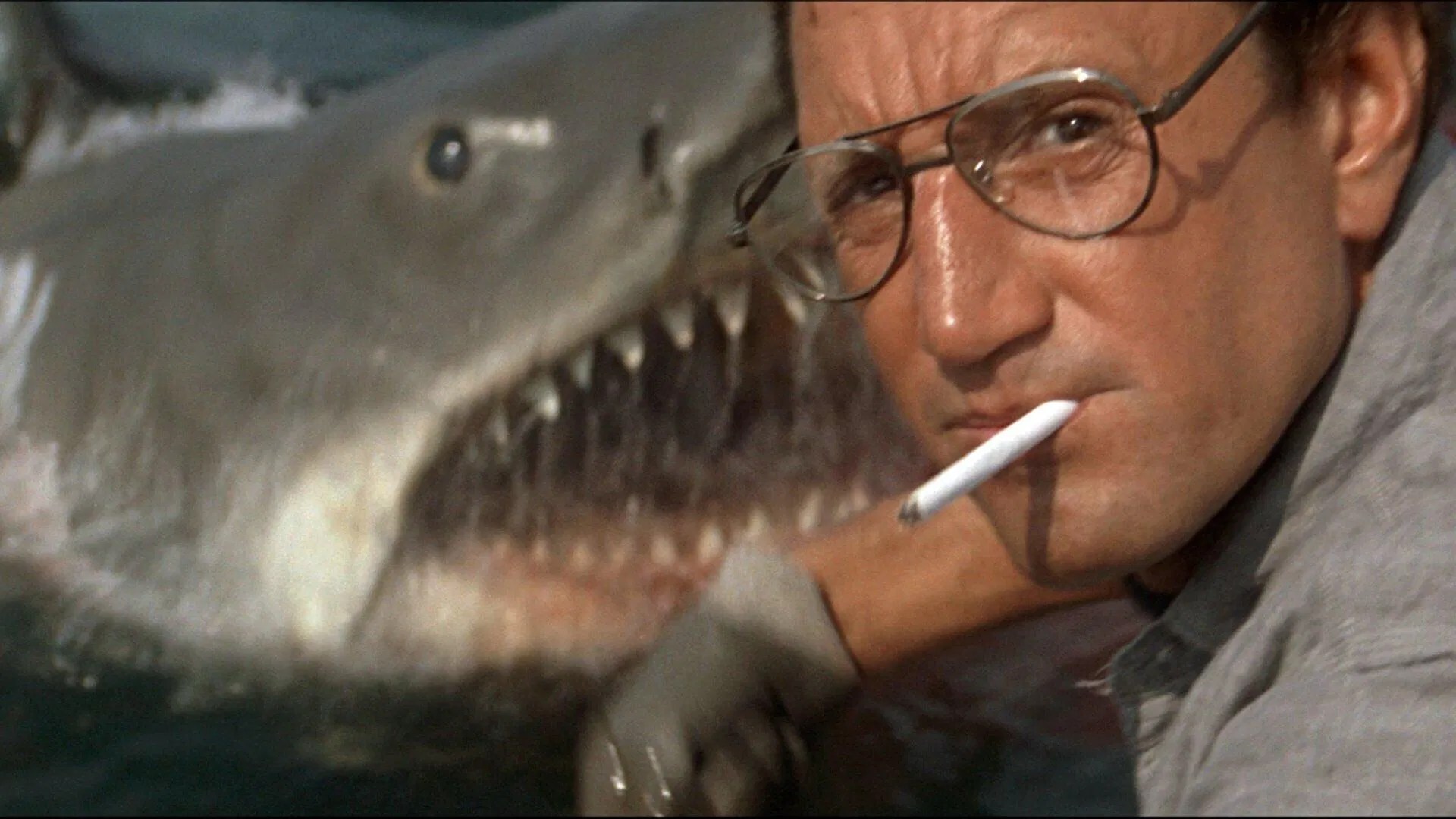
Jaws put Steven Spielberg’s name on the map, but that is not the only defining feature of this legendary film. Jaws was the dawn of the summer blockbuster, which changed the cinematic landscape forever. 50 years later, Jaws stands as a true feat of problem-solving, tension-building, and storytelling.
For a young filmmaker (Spielberg was still in his 20s when he took the reins on this challenging shoot), Jaws was a massive undertaking. This was a film shot on location, and a large portion of the film was shot in the ocean. In lesser hands, Jaws would have been a trashy creature feature that would have made some money, but could have been quickly forgotten. Spielberg is not known for being a horror director, but what he was able to accomplish with Jaws was quite impressive. You would get similar vibes in such films as Jurassic Park, War of the Worlds, and his early career efforts like Duel and Something Evil. But Jaws showed just how well Spielberg could master tension, suspense, and terror while delivering something deeper and more powerful. From the opening scene, you feel the terror of a dark ocean, a POV sequence as the shark, and the chilling score crafted by legendary composer John Williams. There are other horrific moments, from the underwater jump scare with a sunken ship to the bloody death of Robert Shaw’s Quint.
The filmmaking is quite impressive, as Spielberg has always had an auteur’s eye and populist sensibilities. That iconic shot of Sheriff Brody looking out at the ocean, absolutely terrified, is such a great effect. Spielberg avoided showing the shark out of necessity, but it became such an important element to the film’s success. A great filmmaker can problem-solve with the best of them while accomplishing something truly cinematic, but Jaws does not just work as a creature feature. You have a compelling look at capitalistic tendencies and small-town politics. Mayor Vaughn is a snake who puts money above all safety.
However, the real special element of the film is the rich group of characters at the core. Brody left New York for a safer, quieter gig in law enforcement just to be thrust into this unexpected nightmare of mangled flesh and danger. Roy Scheider delivers a performance full of empathy and authenticity. Then you have two polar opposites – marine biologist Hooper and big sea fisherman Quint. Richard Dreyfuss is sharp and sarcastic as the highly intelligent scientist who is keen on protecting lives. Robert Shaw delivers one of cinema’s most iconic performances as the gritty, salty, and intense captain who butts heads with his fellow members of the shark hunt. Some of the film’s best scenes are our characters talking on the ship, especially the horrifying recounting of the U.S.S. Indianapolis tragedy as told by Shaw.
Spielberg delivered a perfectly balanced cinematic experience full of genre thrills, filmmaking prowess, themes, and fleshed-out characters. This was the blueprint that would change cinema for the next 50 years, thanks in large part to the impressive directorial effort of Spielberg.
Close Encounters of the Third Kind
Spielberg is known for his great range, but science fiction has always been a strength for his directorial voice. Many great films in his filmography that explore different motifs and themes in this genre. E.T. is one of the most iconic films of all time, a charming and moving perspective on first contact. Jurassic Park looks at the ego of humanity and how they would recreate dinosaurs without considering the consequences. Minority Report looks at a future where technology has advanced enough to bring up morally grey choices about crime. But his first great science fiction film (and one of his best in general) is Close Encounters of the Third Kind.
Spielberg finds his way to something hopeful in the end, but he dabbles with horror elements to build real tension and suspense through the front end of this compelling film. But not only is this his first big foray into sci-fi, but there is something deeply personal about this film as well. Long before The Fabelmans became the autobiographical exploration of his own life, Spielberg combined the music of his mother and the technology of his father to synthesize the solution to the biggest conflict of Close Encounters… communication. That contact is the key to everything in this film.
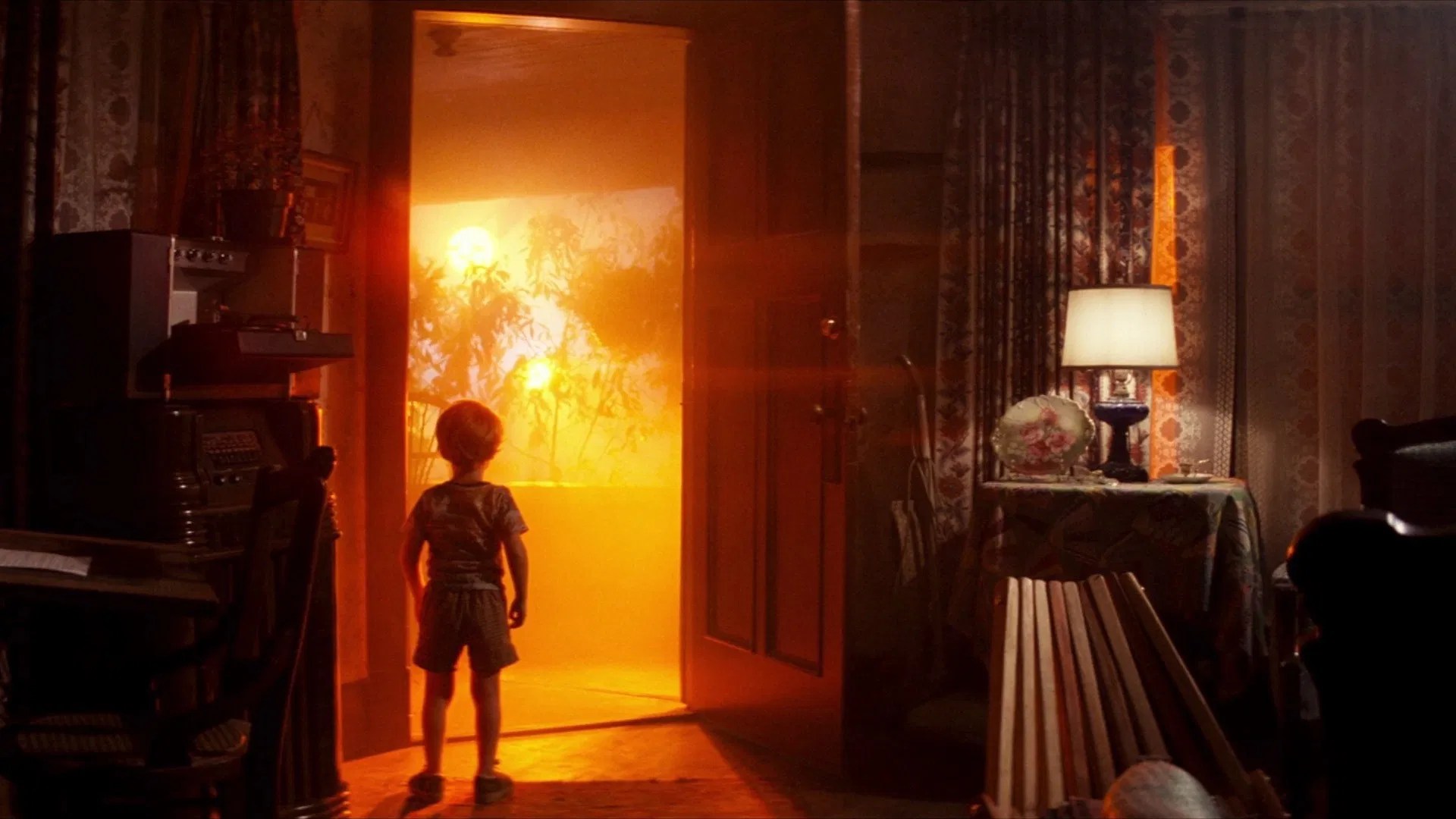
Close Encounters’ finale is one of the most profound sequences in all of Spielberg’s career. But the mystery and haunting atmosphere Spielberg crafted throughout the film made this finale all the more poignant and powerful. There are several impressive sequences including the beaming light from the sky that gives Richard Dreyfuss’ Roy Neary’s first contact with the extraterrestrials. Haunting warm lights chill you to the bone as they blast through the front door of a home and lure a young boy from safety. The paranoid visions of Roy as he scares his whole family with his constructions of Devils Tower. The eerie and mysterious exploits of François Truffaut’s Claude Lacombe, who witnesses some of the strangest occurrences possible.
All of this leads up to a powerful finale that has taken its place in cinematic history. It contains some of the most impressive visual effects of the time with the spaceship arriving at Devils Tower. But all the tension, suspense, and terror built up throughout the film give way to wonder and hope (in the most Spielberg way possible). The crafting of mechanical music that meets the extra-terrestrials’ own frequency opens the door (literally) for one of the most wondrous sequences Spielberg has put to film. Close Encounters of the Third Kind might not be the flashiest of Spielberg science fiction films, but this film offers something deeply layered and profound.
Raiders of the Lost Ark
Spielberg crafts a sense of adventure better than so many of his peers and the filmmakers who have come since. This wondrous element of the cinematic experience has unfortunately largely been lost, for the most part, in modern cinema. This is an incredible shame – swashbuckling adventure has been almost completely left in the dust. More than that, Spielberg might have created the greatest adventure film in the history of cinema with Raiders of the Lost Ark.
There are few films to perfectly execute and deliver on exactly what the filmmaker is trying to accomplish. The combination of Spielberg’s creativity, spry direction, and sense of wonder, gives Raiders such a wondrous atmosphere and energy. The music from John Williams is truly iconic, with his “Raiders March” becoming one of the most recognizable and thrilling pieces of composed music ever put to film.
Harrison Ford’s performance as Indiana Jones is one of the most beloved and iconic performances in film history. This archaeologist and professor is quite resourceful, who brings guns and whips to his adventures all over the world. Jones is intelligent, charming, and relatable in his vulnerability as an adventurer. Jones gets beaten up more than so many other heroes on film, but that gives him a relatable element that grounds him (at least for the first three films).
One of the most fascinating elements of these films is the supernatural elements rooted in religion that shine through. The Ark of the Covenant, the MacGuffin of Raiders, is one of the most important relics in Judeo-Christian religions. This gives this film (and the other entries in the initial trilogy) a weight and significance that cannot connect to the audience. The more supernatural elements deliver some of the most haunting moments in cinema with the opening of the Ark by the Nazis (imploding, melting, and exploding faces…oh my!).
A great adventure needs great characters along the way, too. Karen Allen is the love interest of Indiana Jones. John Rhys-Davies’ portrayal of Sallah is one of the most endearing sidekicks in film. Paul Freeman is pitch-perfect as the nefarious archeologist Belloq, who has his allegiances with the Nazis.
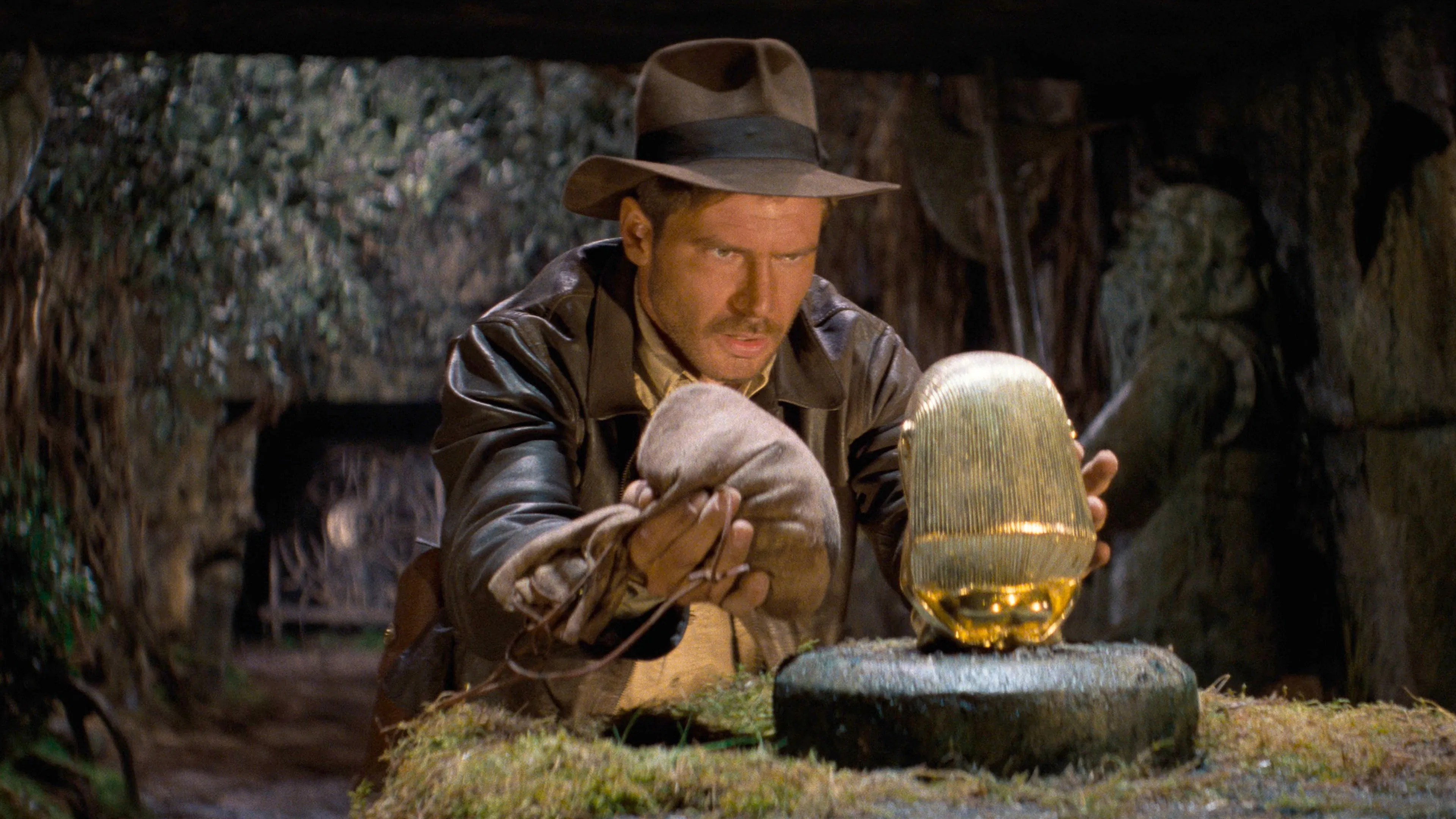
But the set pieces are what give this film something truly adventurous. That opening sequence is one of the most iconic scenes in all of film as Jones seeks a gold idol and must escape a runaway spherical boulder. Then, you have Jones bar brawl to get Allen’s Marion on his side. The wonderful chase in the Egyptian Bazaar is tons of fun (with the hilarious and iconic one-shot on the swordsman). The grand escape from the tomb with the airfield and car chase is visceral, exciting, and second to none. Raiders of the Lost Ark pulls so much from classic adventure serials and offers up a blueprint to all adventure films to come.
Schindler’s List
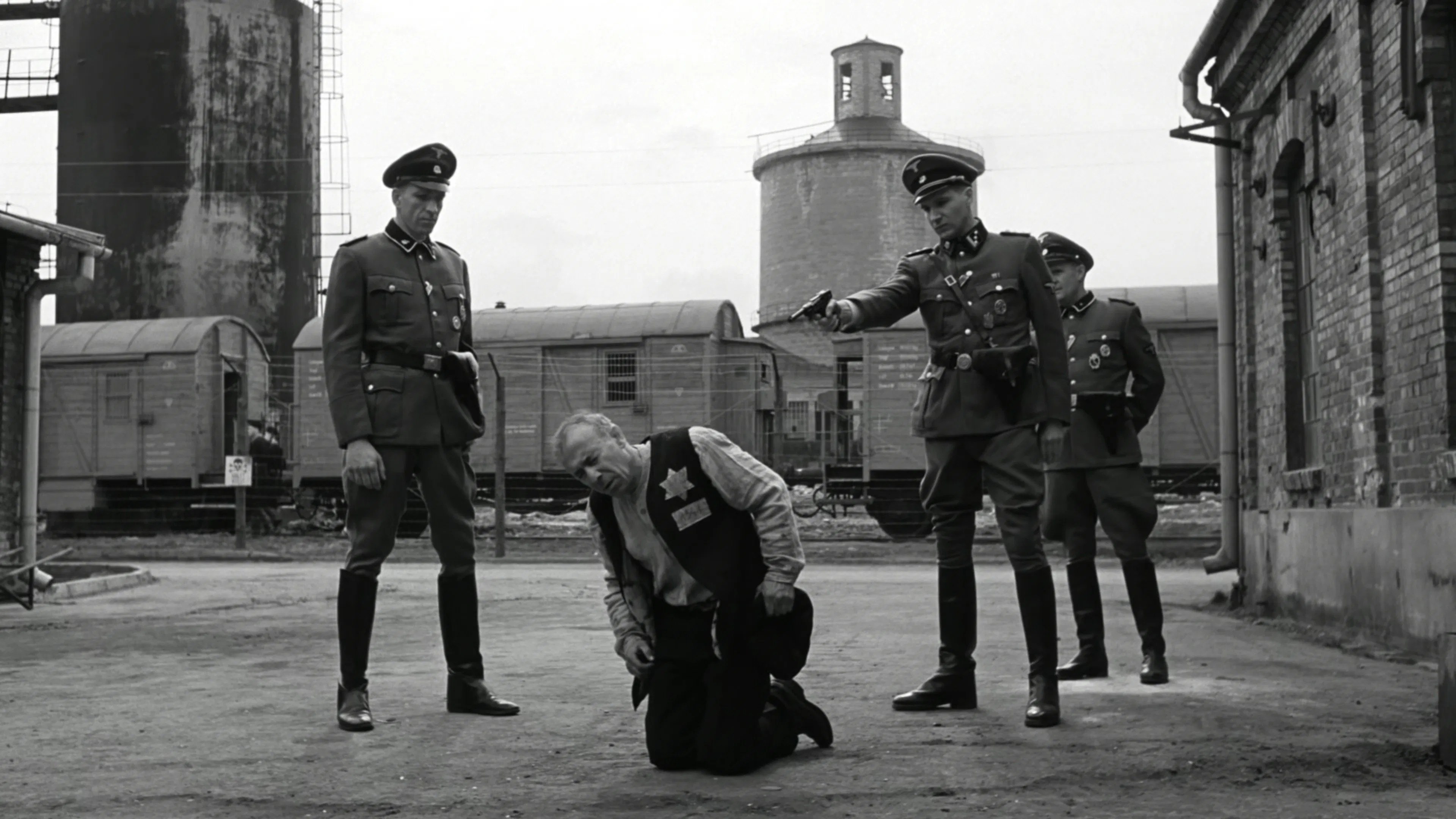
It hasn’t been all fun and games with Spielberg’s filmography, has it? He’s tackled plenty of heavy themes and stories; The Color Purple explores the challenges of the black female experience, Saving Private Ryan is one of the most harrowing, visceral, and engrossing war films ever created, and The Post explores one of the most significant political cover-ups in the history of the United States. But the story that truly spoke to Spielberg due to his Jewish cultural background…is the Holocaust.
Through the lens of Oskar Schindler’s story, Spielberg explores one of the most harrowing moments in human history. Spielberg and company went to great lengths to craft something as poignant and moving as possible to honor the legacy of the Jewish people and what they went through. The crisp black-and-white cinematography from Janusz Kamiński is striking, gorgeous, and uncompromising. The striking single use of red is one of the most impactful uses of color in the history of film. Spielberg has always been an auteur, and that shines through in the presentation of Schindler’s List. The music that John Williams composed for this film is some of the most beautiful and emotive music ever put to film.
Spielberg is not known for the brutality of his films, but this brutal and uncompromising approach to telling this story is 100% necessary to do justice to this harrowing subject matter. There are plenty of scenes that highlight the complete lack of humanity shown to the Jews by the Nazis. The one-armed man sequence is one of the most upsetting things you will ever see in a film. The horrific antics of Amon Göth are some of the most harrowing things you will see on film as well. This film captures some of the most poignant visuals in understanding the great lengths the Nazis would go to erase the Jewish people from this planet. A long take that captures all the things taken from the Jewish people before they took those fateful train rides will leave a horrible feeling in the pit of your stomach.
Spielberg’s work in bringing this story to life is quite impressive, and the final sequence of the film, where the “Schindler Jews” come and pay their respects, is unbelievably moving. The performances are the last key element that brings this film together. Liam Neeson is a towering man full of charisma who radiates the arrogance of a businessman who is slowly broken down, and his true humanity can finally be seen. His moment at the end of the film, where he breaks down, is devastating. Ralph Fiennes is an absolute monster on screen. He finds the perfect balance of a thin veil of humanity over pure hatred and total disregard for human life. Fiennes sells this performance so well in every scene, including ones that feature monstrous acts against human life. Ben Kingsley is an anchoring force of humanity that grounds the film in such an impactful way. Haunting, moving, and powerful, Spielberg’s magnum opus and the film he was meant to create.
West Side Story (2021)
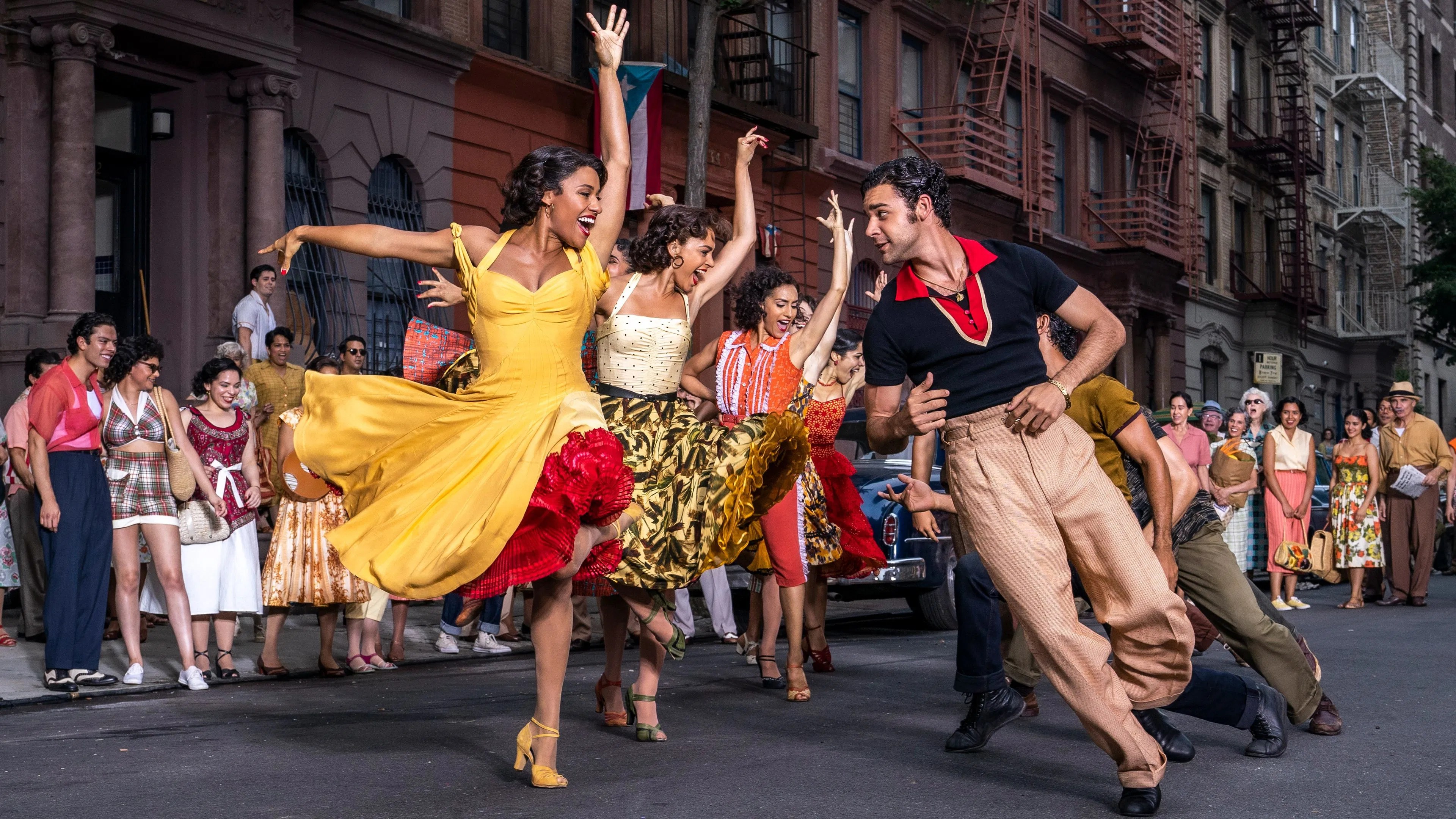
One of the biggest challenges of Spielberg’s career was diving into the musical genre. This is such a challenging genre to perfect in the first place, since it requires the audience to fully suspend their disbelief to connect with people who just casually break out into song on a whim. Not only is this genre hard to stage, film, and present in a genuine way, but Spielberg decided to challenge himself further and remake one of the most iconic musicals of all time in West Side Story. But this is Spielberg we’re talking about; he is the populist auteur who had long been established as one of the greatest filmmakers of all time by the time 2021 rolled around. Not only did he deliver one of the greatest musicals of all time, but he made a better version of West Side Story than the original. A bold statement, but a true one.
There are so many things that Spielberg accomplishes with his adaptation over the original. The more authentic casting and use of truly talented singers goes a long way. There are no fake skin tones or dubbing of singers. The talent on-screen embodies the characters so authentically. Obviously, Spielberg did not create a musical from scratch, but he did perfect the cinematic language around this beloved musical. The cinematography is dynamic and vibrant in the hands of Janusz Kaminski (who has been working with Spielberg since Schindler’s List). The costumes are vibrant and striking. The period elements of the film work so well, from the opening rumble in a crumbling neighborhood to the hair, make-up, and clothes of every character.
The film feels more visceral, emotive, and less staged than the original film (which still has that feeling of being on a stage and not a film). There is a raw energy that Spielberg utilizes to give the film a weight when it gets heavier and more dramatic. Spielberg still balances the humor well, but finds greater depth in the more emotional moments of the film. The staging for these performances is incredible, with “America” being taken to the streets of New York instead of being stuck on a rooftop (on a studio backlot). It’s big, bold, and vibrant. The alley for “Maria” is, lived-in and feels incredibly authentic.
There is a remarkable energy that permeates every song. The casting was incredible. Ansel Elgort is the least-praised of the cast, and he is still doing great work. Rachel Zegler delivers a star-making performance as Maria, and she shines with her incredible voice. But it is Ariana Debose who tears the house down as Anita. Her singing. Her emotion. Her presence. Mike Faist delivers a star-making turn as Riff, with his charisma stealing almost every scene he is in. They even found a way to bring back the breakout star of the original, Rita Moreno, and her presence brings plenty of depth to the story.
Also see: The Fabelmans, Catch Me If You Can, Jurassic Park, Saving Private Ryan, E.T. the Extra-Terrestrial

 Knock on Wood
Leave a comment