
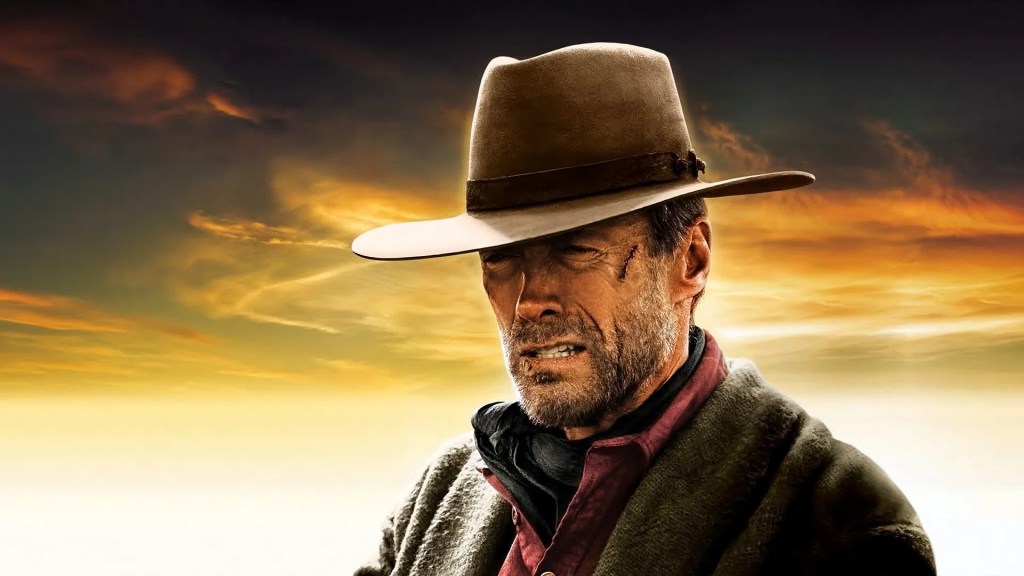
Welcome to class! My full-time job is working at a university, and I teach as well. One of my dreams has always been to teach a film class. Taking students through the world of cinema and helping them learn about the art form that I am so passionate about would be an amazing experience. But alas…I teach math. This series, “Lessons from the Wasteland,” is my opportunity to offer readers a curated watchlist to learn through doing (…watching movies). Each film on this list will highlight a filmmaker, sub-genre, filmmaking technique, or significant topic in order to broaden your cinematic horizons.
For this month, we have…
Clint Eastwood
Play Misty for Me
Where did things begin for Clint Eastwood’s journey as a director? There are unproven claims that he directed a scene in Dirty Harry and shadowed Don Siegel throughout the filmmaking process, though Eastwood as a director is the child of two parents. Siegel was a major influence, with his intense, gritty, and raw approach to filmmaking. Then you have Sergio Leone, who expelled vision, style, and a handle with the Western genre which would certainly rub off on Eastwood and his approach to this key genre in his career. Eastwood will never be confused with an auteur or will be praised for his vision as a director. Eastwood is much more of a “meat & potatoes” type of director who works in efficiency and puts a lot of the control in the hands of the actors. When you are only going to do a couple of takes, you need to make sure that your actors are coming to play.
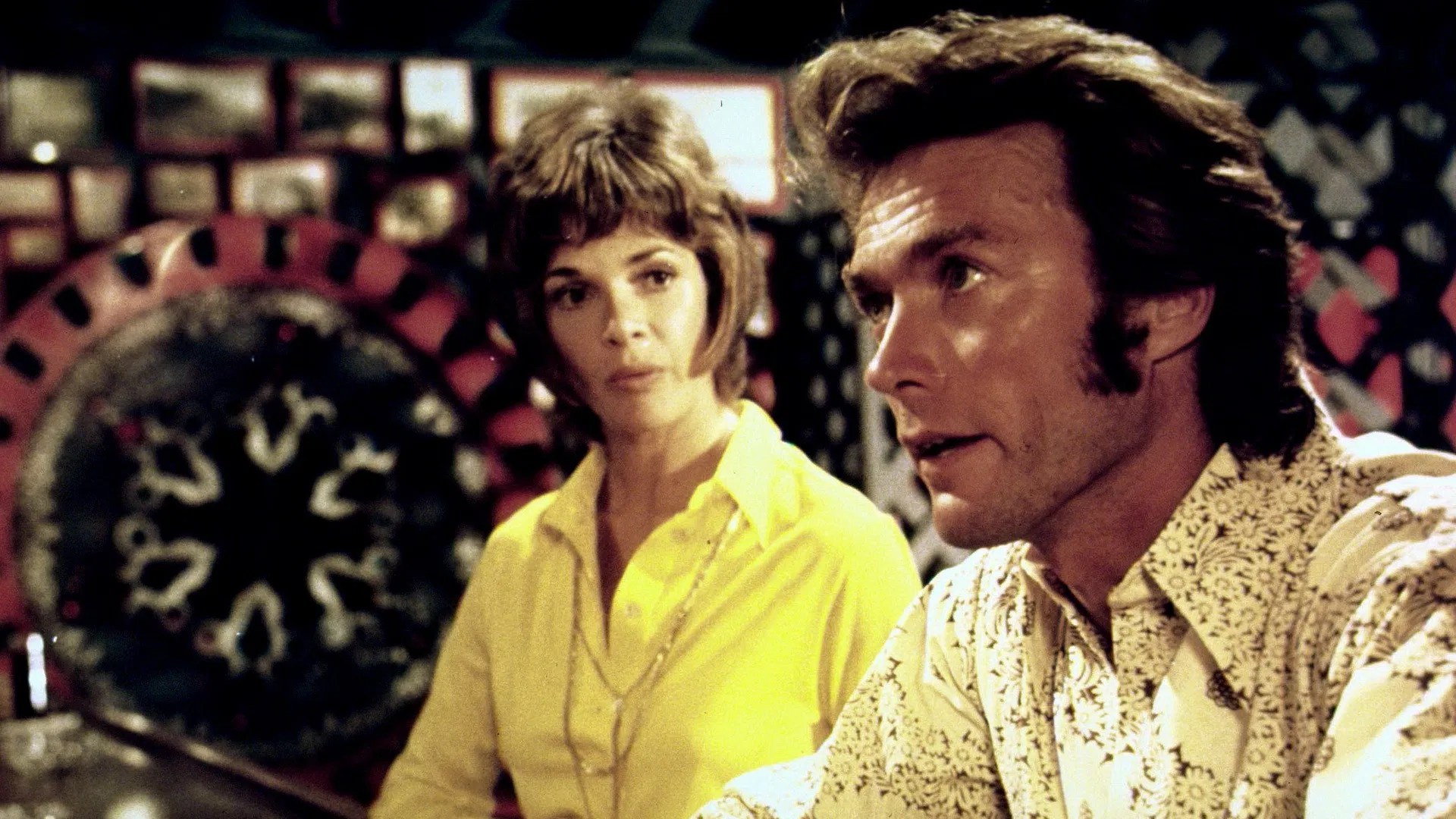
Where Eastwood lacks in vision and style, he greatly makes up for that with tension. Eastwood knows how to increase tension and suspense which benefits the majority of his films that lean into that style. Play Misty for Me is the first film Eastwood directed, and it leverages his ability to heighten that tension for a psychological thriller like this one. The film tells the story of a local disc jockey whose life is turned upside down by a romantic encounter with an obsessed fan. Play Misty for Me is actually a film that feels uncomfortably poignant and prescient in culture today. Social media has exacerbated the parasocial dynamics that grow between celebrities and their fans. With Play Misty for Me, Eastwood is able to explore this on a grounded, intimate level with a more local scale. This intimacy is leveraged well to build tension and suspense.
Eastwood has a long track record of starring in his own films (which has tailed off in recent years) which benefits many of his projects as he has a deep understanding of his characters and the vision he has as a director. Eastwood delivers a cool presence in Play Misty for Me that slowly cracks open and we can feel the frustration mounting along with him. Eastwood does not have the most recognizable visual styling at this point in his career but he leans into the ’70s vibes which helps capture the present moment of the setting. This does feel like a first feature, with a filmmaker seeking out their voice but Eastwood still delivers some effective tension, which is the key element when making a psychological thriller. Eastwood has always been the type of director who puts it on his actors to prepare their performances and find their character. Luckily, he has Jessica Walter, who crafts an effective presence and character that accentuates the fraying edges of this fan’s sanity.
In a vacuum, Play Misty for Me is a well-made and engaging ’70s thriller that is certainly an expression of its time. But this is the first film of Eastwood’s directorial career and also the first example of his penchant for building tension.
Unforgiven
Eastwood is most known for Westerns. From traditional Western television series like Rawhide to Spaghetti Westerns like The Good, the Bad and the Ugly to his own brand of the genre from the ’70s to the ’90s, Eastwood has helped define the Western and its evolution during more tumultuous times in society. The Western was a pure representation of so many traditional American perspectives held in ideals. But the ’60s changed that and turned the page to Revisionist Westerns. The myths and traditions of the genre began to be torn down. Eastwood ushered in a darker edge to his westerns with more complex and flawed characters with the grounded and gritty realm of the west.
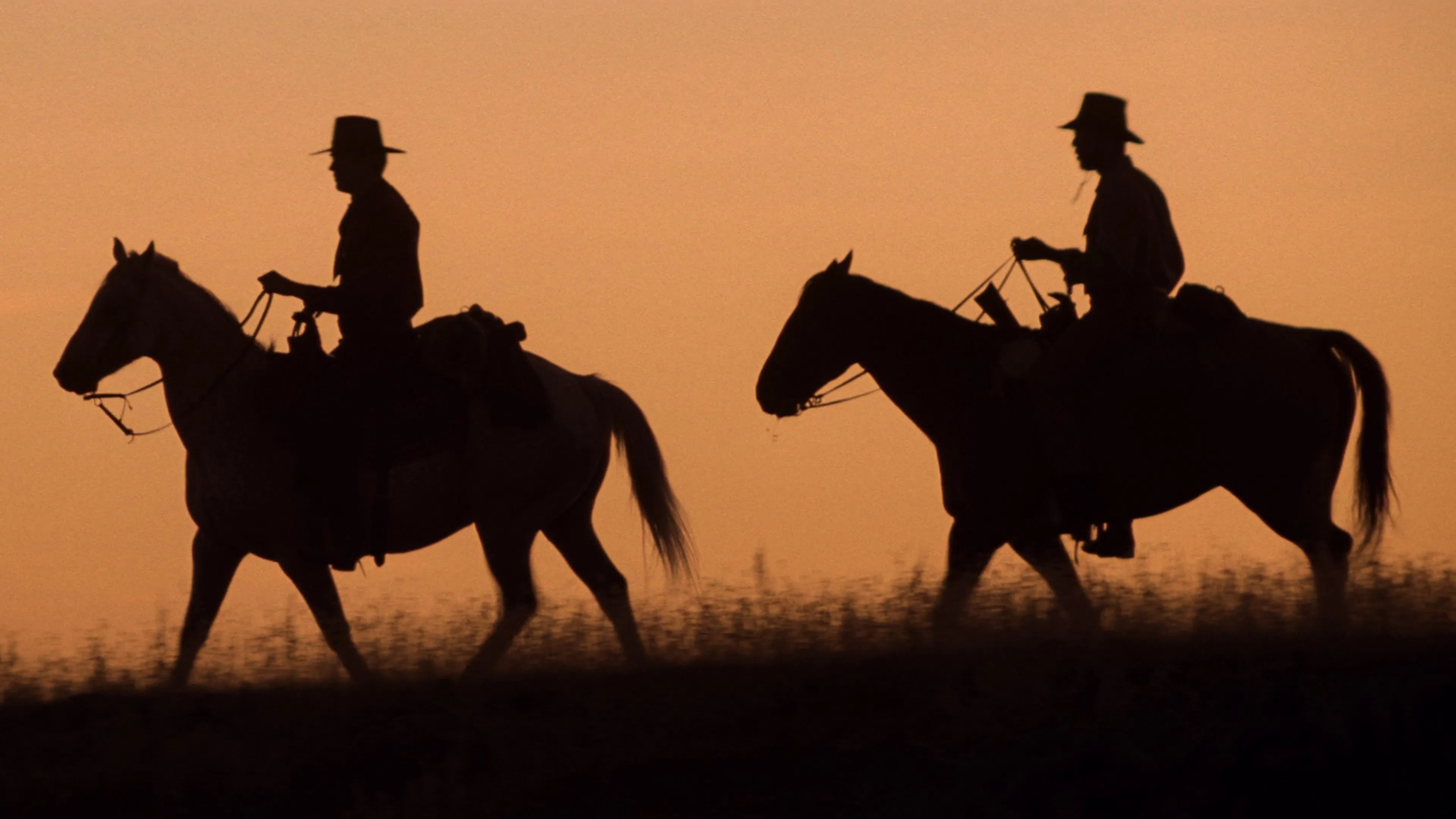
Eastwood has starred in and directed many westerns. High Plains Drifter. The Outlaw Josey Wales. Pale Rider. But there is one that stands tall with its complex interrogation of the genre and its place as a Best Picture winner: Unforgiven. Eastwood sat on the script for this film for years until he aged appropriately into the character of Bill Munny, a hog farming widower who is drawn into a tricky situation by a young gunslinger with a chip on his shoulder.
Unforgiven is a web of darkness and humanity that navigates the grey areas of life. The actions of the film all start with the mutilation of a sex worker by a cowboy. This leads to the women in the brothel to put a hit out for the cowboy and his friend. This brings multiple gunslingers to this small town, where a former outlaw is the sheriff and rules with an iron fist. Not a single character in this film is clean and morally good (except the young woman who was cut up). There is an ugliness to the world in Unforgiven that Eastwood is able to capture so unabashedly. The visual stylings of the film are gritty, rich, and textures. You feel like you have been dropped into the frontier thanks to the rich visuals from cinematographer Jack N. Green. That rich look of film accentuates the experience so perfectly. The music is simple but emotive as Lennie Niehaus leverages slow, beautiful acoustic guitar chords.
Unforgiven is not filled with trick shots and over-the-top action. It just might be the most raw and gripping western ever made. Eastwood delivers a layered and compelling performance that is filled with softness, regret, and vulnerability. But that gives way to rage, hate, and power when Munny is pushed into a brutal and bloody climax. Munny might be a pig farmer now…but he “killed just about everything that walks and crawls at one time another.” Munny knows the weight of his actions as “it’s a hell of a thing, killing a man. Take away all he’s got and all he’s ever gonna have.” You might think this is a story where redemption can happen because forgiveness is a human experience…but not in Unforgiven. Gene Hackman (in an intense and powerful Academy Award-winning turn) brings life to Sheriff Little Bill Daggett. Sure, he lives a life of the law and built a home. In his final moments, he believes he deserved a new life…Munny knows “deserves got nothing to do with it.”
The impressive screenplay by David Webb Peoples is rich with dialogue, themes, and deconstructions of Western mythos. The cast is powerful, with Eastwood, Morgan Freeman, Hackman, and Richard Harris standing tall as figures of the Western and none of their legacies are as honorable as they might seem. Unforgiven just might have killed the genre with its commentary and revisionist approach, but it is still one of the greatest films in the genre and Eastwood’s crowning achievement as a filmmaker.
Space Cowboys
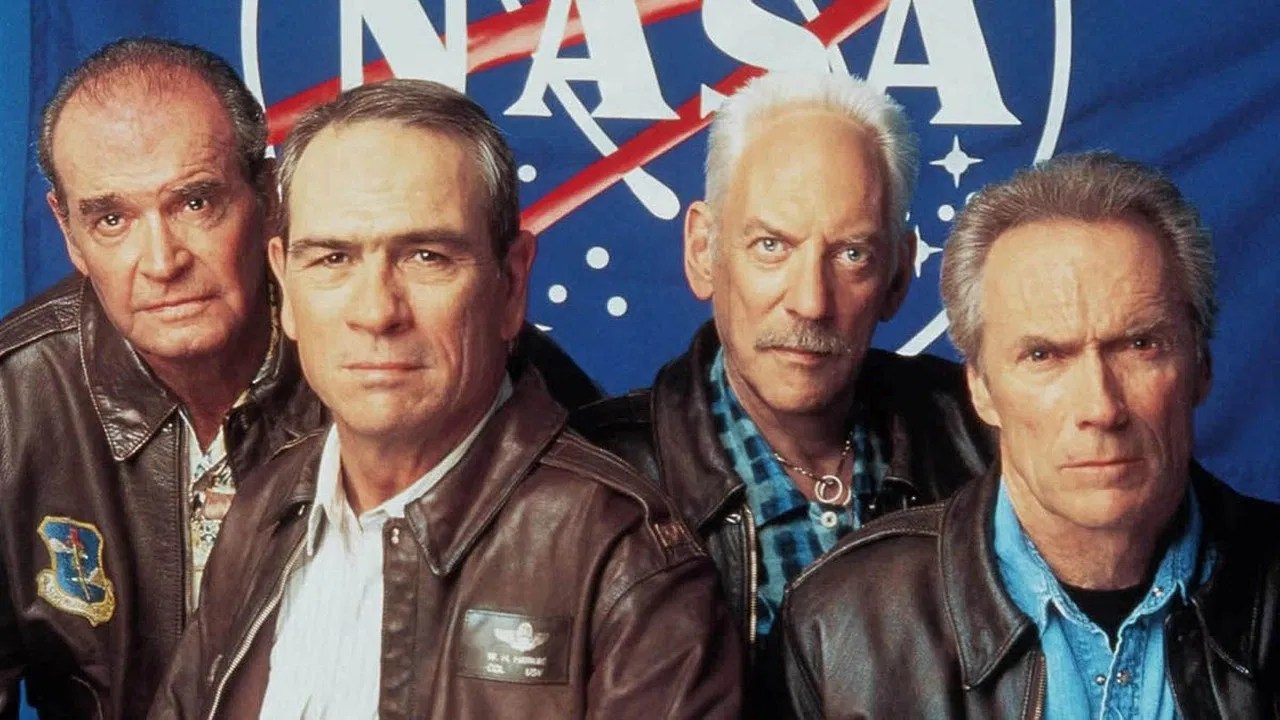
Why highlight such a film like Space Cowboys? Each of these films were chosen for a reason as they reflect different aspects of Eastwood’s career. The other four are a bit clearer on why they define Eastwood’s legacy as a filmmaker. But Space Cowboys is a fascinating example of a film. I could have easily just highlighted two of Eastwood’s best films, like Million Dollar Baby or Gran Torino, but this film is a special element in his filmography. This is a space film. This is about a group of geriatric former pilots who get the opportunity to go up into space for one last mission. An effects-driven film like this is not as common in Eastwood’s repertoire. Films like Sully and Space Cowboys lean into visual effects that need heavy technological efforts to bring to life. These are genres that are not quite Eastwood’s trademark. This is not Western, war film, or drama. This is science-fiction.
Eastwood is not known for diving into more abstract types of films or bigger concepts, but this is one of those films of his that stands out. It took Eastwood into a new century of filmmaking, as well as a more modern feel. You can see the visual styling that will latch on and become his style throughout the 21st century. For the better part of 30 years, Eastwood has taken the approach of making his films gritty and grounded in this grey scale reality that will not wow you with visual flair, but will put you in a space to feel the raw humanity of his stories. Space Cowboys also brings a vibe that is quite different from most Eastwood films. He is not a filmmaker that leans heavily or consistently into “fun,” but with Space Cowboys he brings some joy and humor. The third act of the film gets a little too heavy (which the tonal shift is one of the biggest weaknesses of the film) but for two-thirds, Eastwood explores aging, friendship, and some good old-fashioned storytelling.
The film truly lives and dies based on the dynamic of our four lead characters. Eastwood is joined by Tommy Lee Jones, James Garner, and Donald Sutherland, a murderer’s row of aging actors with plenty left in the tank. Oddly enough, this film feels quite personal for Eastwood (and the rest of the crew) as they are still showing that they have some movie star energy left. Though the film leans heavily into this older generation, there are some elements of the film that feel surprisingly trendy, including having the theme song “Space Cowboy” by NSYNC.
Space Cowboys is one of the most unique films in Eastwood’s filmography (for better or worse), but it is an interesting film to look at in order to understand the greater context of his as a filmmaker.
Mystic River
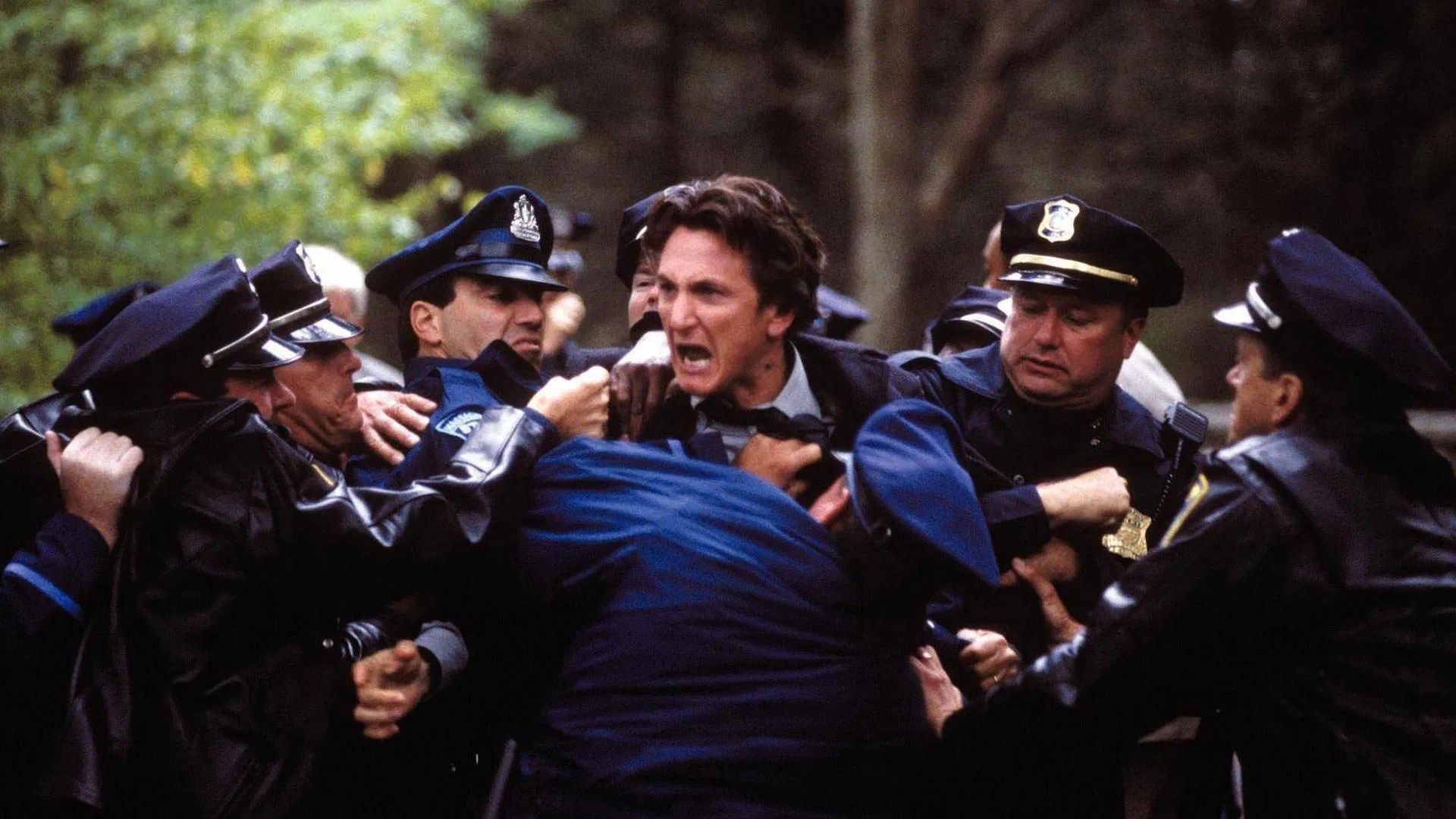
Eastwood also starred in many of the films he directed. This has gotten less frequent since the 21st century rolled around, but there have been some impressive films from Eastwood which did not rest on the shoulders of his own performances. When you look at those films not starring Eastwood, Mystic River is the most successful. This murder mystery gained a lot of praise from the Academy Awards, earning six nominations but, unfortunately for Eastwood, Mystic River ran into the juggernaut that is The Lord of the Rings: The Return of the King.
But Eastwood did get some great performances out of this stellar cast, including Sean Penn and Tim Robbins winning Best Actor and Best Supporting Actor, respectively. But this film is not just worth checking out because of its awards success. This is a powerful drama that explores challenging themes and ideas while building such a compelling sense of mystery. Eastwood is not an east coast guy, but does capture the life of Boston so perfectly (at least this side of a Ben Affleck film). The grim, grey visuals of Eastwood’s style lend themselves well to this grim tale about the murder of a teenage girl. There is a looming sense of dread as there is plenty of trauma that looms in the background of this murder case. Three friends from childhood all come back together in this web of crime and mystery. Kevin Bacon is a successful cop (with a rocky marriage) who comes back home to work this case. Sean Penn is a local crime boss whose daughter is the victim of this heinous crime. Tim Robbins is a shell of a man who was kidnapped as a child and never returned the same. The film is full of all types of trauma, friction, and suspicion.
One of the most impressive elements of the film is that you would never guess exactly where the story is going. This harrowing mystery continues to get more twisted with each new revelation about the characters. Bacon’s detective is the anchoring piece who navigates this complex and dangerous world that he used to know. Penn earned that Best Actor award with his big performance, filled with emotion and an uncomfortable atmosphere of tension and intimidation. Robbins is a wild card, with plenty of trauma and a dark secret that changes the whole perspective of the film. Eastwood crafts this film with plenty of tension and suspense that will put you on edge from the start. This stark atmosphere fits perfectly with Eastwood’s sensibilities and the harrowing story. Eastwood has made plenty of films that challenge his characters as well as the audience with the grey shades of the world, and Mystic River is a perfect representation of that.
Letters from Iwo Jima
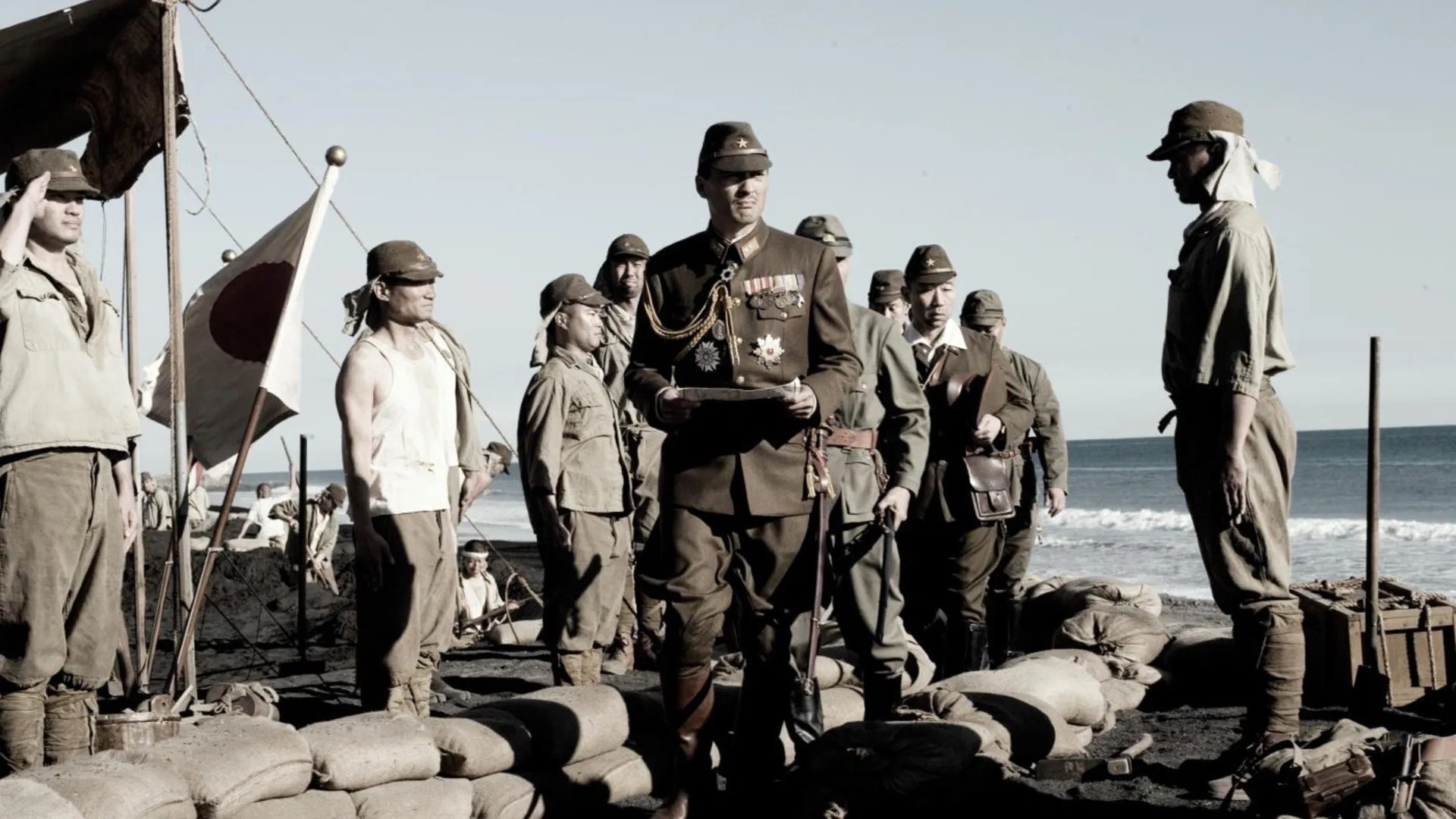
Outside of Western themes and motifs, Eastwood gravitates towards war. Even in some of his Westerns (like The Outlaw Josey Wales), Eastwood navigates war and its effects. But if you are looking for films that tackle war head on, the combo of Flags of Our Fathers and Letters from Iwo Jima is the ideal place to look. This is such an interesting combination of films, but one of them is quite unexpected. Flags of Our Fathers seems right up patriotic and conservative Eastwood’s alley. But Letters from Iwo Jima is so much more intriguing, layered, and dynamic. You would never have expected to see a film from Clint Eastwood exploring the Japanese perspective on World War II, but it is quite impressive. Flipping the script on Iwo Jima away from the flag flying of the American soldiers, Letters of Iwo Jima explores the Japanese perspective of this battle. Based on Picture Letters from Commander in Chief by Tadamichi Kuribayashi, this film explores the perspective of General Kuribayashi, who led the Japanese forces in this battle to secure this key island. Acclaimed actor Ken Watanabe portrays this character with great pride, strength, and empathy. This is a story about honor, courage, and the horrors of war. Kuribayashi is in stark contrast with the stringent traditional perspective of the Japanese military, and his command in this battle opens the door for great conflict and tension along the way.
Like in any of his other films, Eastwood puts the drama in the hands of his actors, with Watanabe completely anchoring the experience. But Eastwood does not leave the action of the film in the hands of the leaders and higher-ups. Kazunari Ninomiya’s Saigo grounds the film with his perspective as he bears witness to the horrors up close. Few American films about war would take the time to paint such a well rounded and complex portrayal of the enemy in their conflict. Eastwood delivers a raw and authentic experience that puts the perspective and experience of the Japanese soldiers and military at the forefront. We witness the battle of ideologies that always holds the fate of the soldiers in its hands. We also witness the horrific brutality of war from the perspective of “the enemy.”
Striking, raw, and intense, Letters from Iwo Jima is a great achievement of filmmaking from a legend of the craft. This is certainly one of Eastwood’s last truly great films (Gran Torino being the other). But even late in his career, Eastwood still had plenty up his sleeve, and he is still doing it well into his 90s.
Also see: Gran Torino, Million Dollar Baby, The Bridges of Madison County

 Knock on Wood
Leave a comment